
Enviro News Asia, Jakarta — PT PLN Energi Primer Indonesia (PLN EPI) is developing Indonesia’s domestic bioenergy potential as part of its energy transition strategy, with around 60.6 million tons of currently unused biomass identified as a potential feedstock for new energy products and low-carbon businesses.
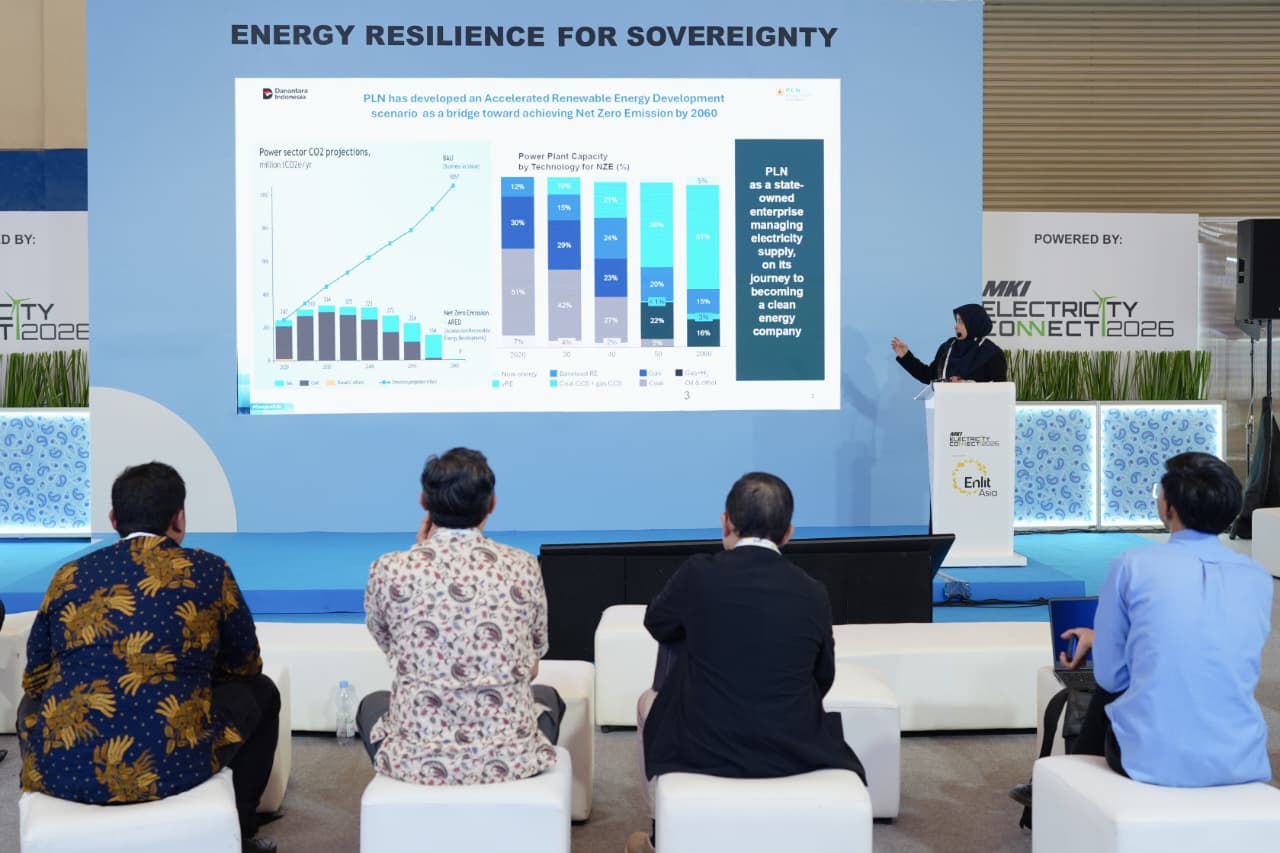
PLN EPI presented the strategy during Enlit Asia MKI Electricity Connect 2026, held from September 22 to 24 at the Indonesia Convention Exhibition (ICE) BSD City in Tangerang.
The company is developing a range of bioenergy products, including biomass, biochar, syngas, biohydrogen, compressed biogas (CBG), biofuel and bioethanol.
The participation also marked PLN EPI’s transformation from a primary energy supplier into an integrated primary energy solutions provider. The transformation expands the company’s activities beyond coal, gas, fuel and biomass supply management to include infrastructure, services, technology innovation and energy solutions.
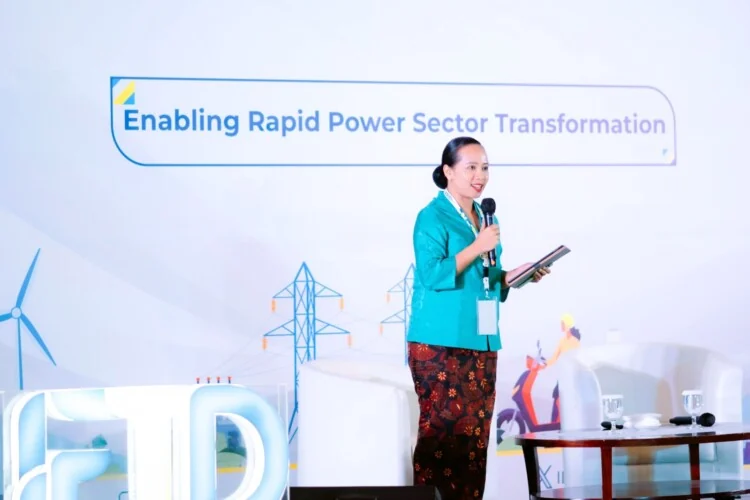
PLN EPI Vice President of Biomass Strategy and Business Development Anita Puspita Sari said Indonesia has significant bioenergy resources from agricultural and plantation waste, forestry residues, industrial waste and municipal waste.
“PLN EPI is developing bioenergy as a strategic pathway to transform Indonesia’s abundant domestic feedstock potential into sustainable energy solutions,” Anita said during the Knowledge Hub Electricity Connect 2026 on September 23.
According to PLN EPI’s mapping, around 60.6 million tons of biomass potential remains unused. The resource is expected to form part of the company’s future bioenergy ecosystem.
However, converting biomass into end products requires consideration of technical feasibility, economic viability, accessibility and supply-chain readiness, the company said.
Beyond Biomass for Power Generation
PLN EPI said bioenergy development would not be limited to using biomass as fuel for power plants. Different feedstocks can be processed into energy products and higher-value products through various technologies.
The company has identified several development pathways, including biomass, biochar, syngas, biohydrogen, CBG, waste management, biofuel and bioethanol.
Biomass requiring different levels of processing can be used to support coal-fired power plant co-firing programs, meet industrial demand and potentially serve export markets.
Biochar can be produced through processes such as torrefaction and pyrolysis, while syngas can be produced through biomass gasification and potentially support the replacement of diesel-based generation.
PLN EPI also sees opportunities to develop biohydrogen for industrial applications, including fertilizer production, as well as potential sustainable fuel markets overseas.
CBG is being assessed as an alternative fuel that could be co-fired with natural gas in gas-fired power plants. The company also sees opportunities for collaboration with other companies in developing biofuel and bioethanol.
Biomass Co-Firing for Power Generation
In the electricity sector, biomass co-firing is one of PLN’s existing bioenergy applications.
The program is being implemented across 52 coal-fired power plants with a combined capacity of 18.9 gigawatts. Co-firing enables biomass to be utilized through existing power generation infrastructure.
PLN EPI said its future bioenergy ecosystem is not intended to serve PLN’s power generation requirements alone. It could also supply domestic industries, independent power producers and export markets.
The development is part of PLN EPI’s efforts to build a lower-carbon business portfolio as Indonesia’s energy sector undergoes transformation.
Maintaining Existing Energy Supply
PLN EPI said it would continue maintaining the reliability of its existing primary energy businesses, including coal, gas and fuel, while strengthening bioenergy as a low-carbon growth platform.
The strategy is intended to support emissions reductions, strengthen environmental, social and governance value creation and develop new business opportunities based on domestic resources.
At the PLN Group level, bioenergy development forms part of the company’s broader strategy toward Net Zero Emissions by 2060, alongside renewable energy, diesel replacement, energy storage, hydrogen and ammonia, carbon capture and storage/carbon capture, utilization and storage, and other power generation technologies.
Through these initiatives, PLN EPI aims to expand bioenergy beyond its traditional role as a power plant fuel into an integrated energy business ecosystem connecting domestic resources with electricity, industrial demand, fuel markets and potential exports. (*)