Enviro News Asia, Bandung — Indonesia’s National Research and Innovation Agency (BRIN) is developing thermoelectric technology that can convert waste heat into electricity for low-power applications, including sensors and Internet of Things (IoT) devices.
Researchers at BRIN’s Research Center for Electronics (PRE) are exploring ways to utilize temperature differences between hot and cold surfaces to generate usable electrical energy.
PRE BRIN Principal Researcher Dedi said thermoelectric generators can utilize heat that is otherwise released into the environment. Potential heat sources include industrial processes, cooking stoves, vehicle exhaust systems, geothermal sources and even the human body.
The amount of electricity generated depends on the temperature difference between the hot and cold sides of a thermoelectric generator, or TEG. This difference also determines the potential applications of the technology.
One development is aimed at powering water-quality monitoring sensors. Electricity generated by thermoelectric systems could support sensors whose monitoring results can be accessed through smartphones.
BRIN is also developing flexible wearable electronics that use body heat as an energy source. The technology could support devices designed to monitor physical conditions, including heart rate.
Beyond electricity generation, PRE BRIN is researching energy-storage technology using supercapacitors. Their ability to charge and discharge energy rapidly could support various applications, including the development of electric vehicles.
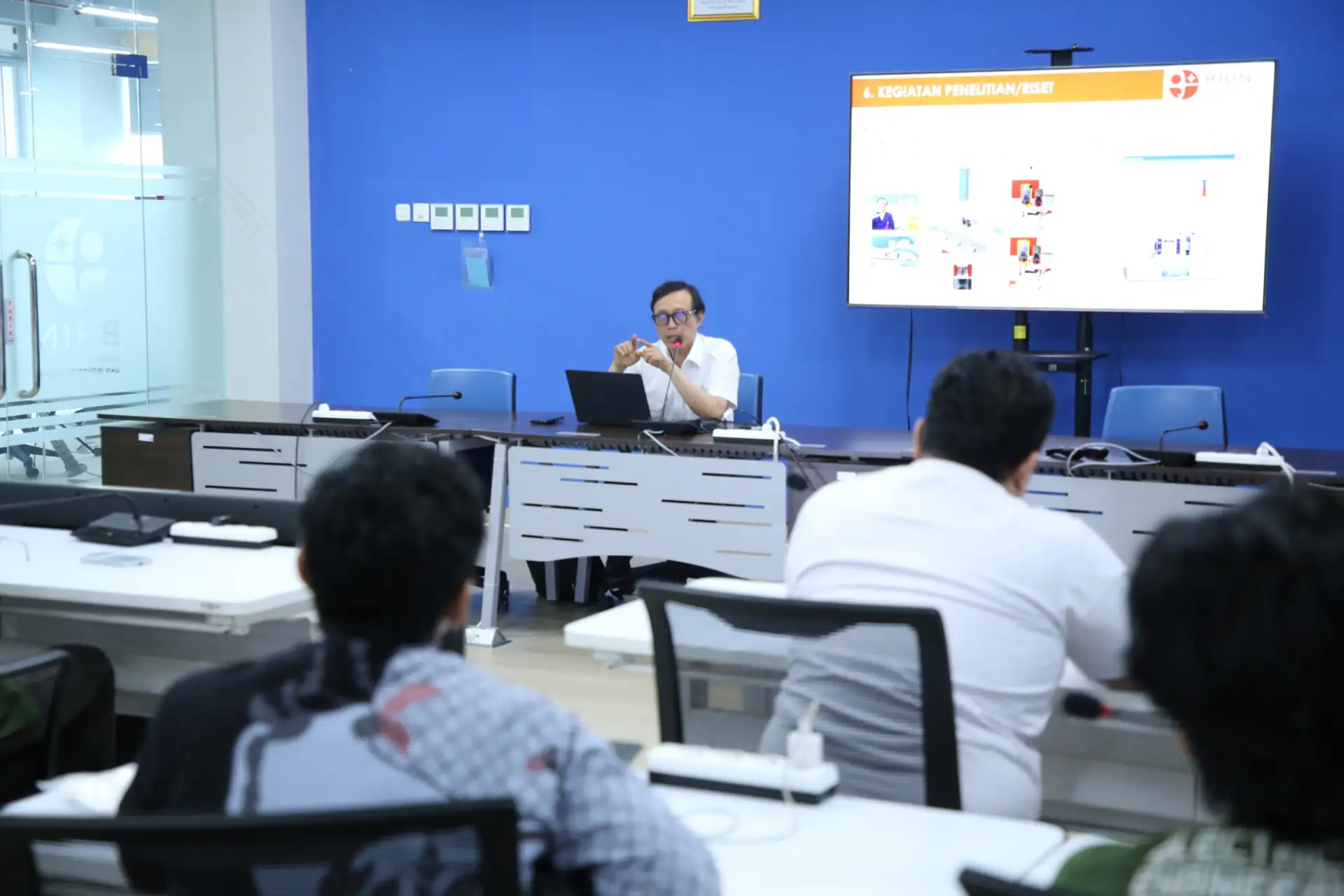
BRIN introduced the research to students from the Electrical Engineering Study Program at Universitas Jenderal Soedirman (Unsoed) during a visit to PRE BRIN at the Samaun Samadikun Science and Technology Center in Bandung on September 30, 2026.
The visit gave students an opportunity to learn about BRIN’s research environment and explore opportunities to participate in research activities.
Enta Ramadhan of Unsoed’s Electrical Engineering Study Program said the visit could encourage students to develop their skills in technology, science, research and collaboration. Electrical Engineering Student Association Chairman Alif Widya Rahman Rosyadi said the knowledge gained could broaden students’ understanding of future innovation opportunities.
During the visit, BRIN Public Relations representative Muhtar Gunawan introduced BRIN and the Samaun Samadikun Science and Technology Center, as well as opportunities for students to participate in research through education, internships and collaboration.
He emphasized the importance of turning scientific knowledge into practical innovations that can provide benefits to society. (*)