Enviro News Asia, Jakarta — Indonesia’s green industrial cooperation with China risks undermining environmental protection and local communities’ rights unless investment benefits are matched by stronger social and environmental safeguards, a researcher at the National Research and Innovation Agency (BRIN) has warned.
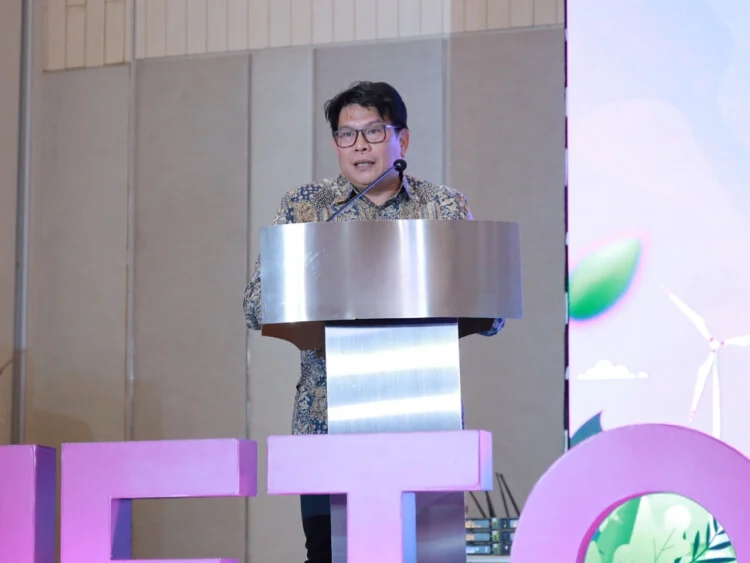
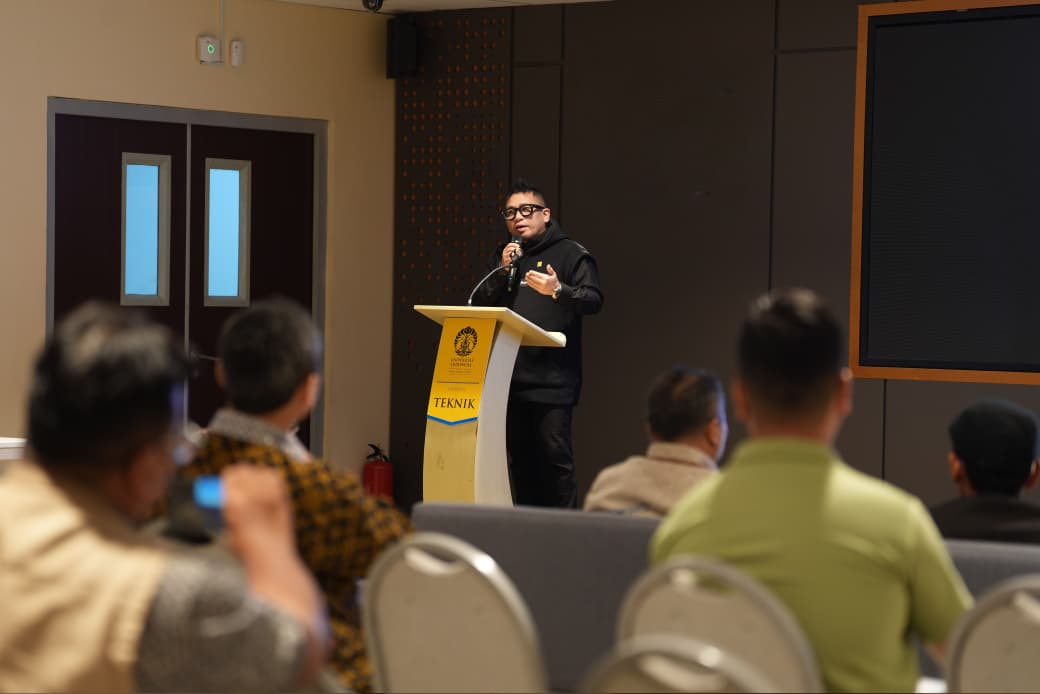
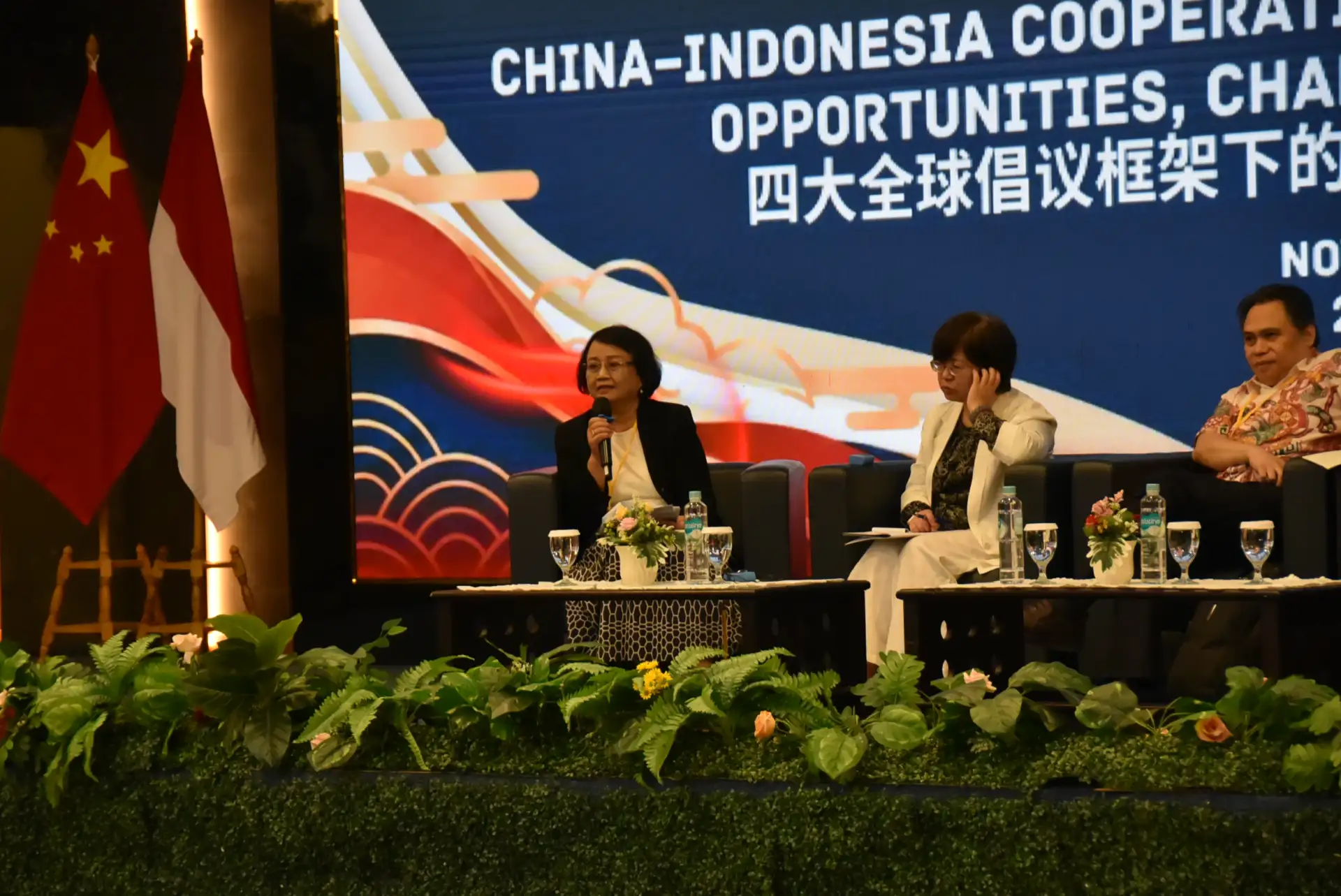
Ganewati Wuryandari, a research professor at BRIN’s Political Research Center, raised the concern at the 2026 China-Indonesia Think Tank Forum at the Sarwono Prawirohardjo Science and Technology Area in Jakarta on Nov. 11.
Drawing on field research conducted with her team, Ganewati said bilateral agreements and institutional frameworks did not automatically guarantee sustainable development. She pointed to the nickel industry in Morowali, Central Sulawesi, and the proposed Rempang Eco-City project in the Riau Islands as examples of the tensions surrounding green investment.
“The success of green development cooperation between Indonesia and China cannot be measured solely by the scale of investment or the number of renewable energy projects. It must also consider who benefits, who bears the costs, who controls resources and land, and how much influence local communities have in the process,” she said.
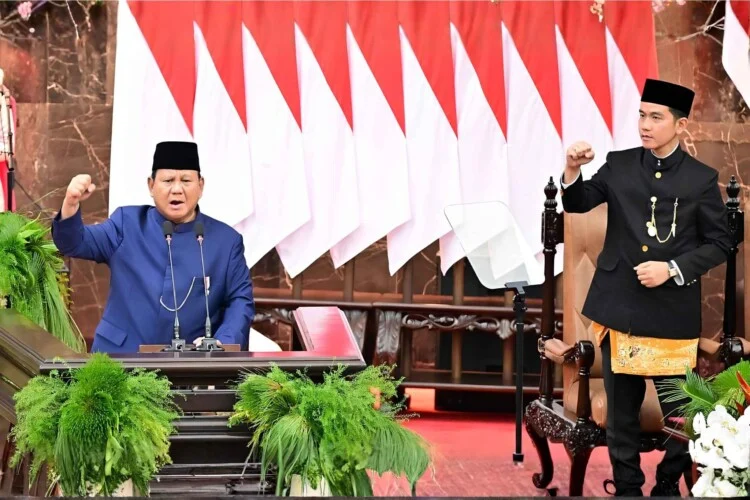
Indonesia and China have expanded their Comprehensive Strategic Partnership from trade cooperation into sustainable development and clean energy. During President Prabowo Subianto’s visit to Beijing in November 2024, the two countries signed two memorandums of understanding on minerals and clean energy, aimed at accelerating the energy transition, attracting investment and strengthening technology transfer.
The partnership serves the interests of both countries. Indonesia needs capital, technology and access to China’s global value chains to support downstream processing, energy independence and technology transfer. China, meanwhile, seeks export markets for its technology, mineral supplies and partners for its green diplomacy.
The cooperation is also expected to support Indonesia’s target of achieving net-zero emissions by 2060.
Ganewati noted China’s dominant position in the global clean energy technology industry. Between 2018 and 2024, China accounted for about 80 percent of global investment in manufacturing facilities for solar, wind, battery and hydrogen technologies. In 2024, it also produced around 80 percent of the world’s solar modules.
This dominance makes China not only an investment partner but also a major technology supplier and a key player in Indonesia’s emerging clean energy supply chains.
Morowali’s Green Industrial Paradox
The Indonesia Morowali Industrial Park (IMIP), a nickel-based industrial complex covering more than 4,000 hectares in Bahodopi district, Morowali regency, illustrates what Ganewati described as a green industrial paradox.
The park, which involves investment from China’s Tsingshan Steel Corp., forms part of Indonesia’s downstream processing policy to move the country beyond raw mineral exports towards domestic processing.
Nickel processing is considered strategic because the metal is a key material for electric vehicle batteries. The development of IMIP has also expanded industrial capacity and employment. Ganewati compared the workforce before downstream processing, at around 1,800 people, with approximately 71,500 workers after the industrial expansion.
However, the growth has also raised concerns over environmental damage, workplace safety and social conditions. Ganewati cited poverty data showing that the rate in Central Sulawesi increased from 12.30 percent in 2022 to 12.41 percent in March 2023, despite economic growth in the province.
She said the paradox lies in the fact that products supporting the clean energy transition can still be manufactured through carbon-intensive processes.
Several industries in IMIP continue to rely on coal-fired power plants, resulting in high carbon emissions. Ganewati identified PT Vale Indonesia as an exception, saying its use of hydropower made it the lowest-emitting company compared with other firms in the industrial area.
Rempang Project Raises Land and Community Concerns
The proposed Rempang Eco-City development in the Riau Islands presents another challenge for Indonesia’s green industrial ambitions.
The project was planned as a glass manufacturing hub to support solar panel production, involving prospective Chinese investor Xinyi in cooperation with Indonesian company PT Makmur Elok Graha.
Ganewati said the investment plan, agreed upon in July 2023, brought together Indonesia’s ambition to develop green industries and China’s manufacturing capacity. However, its implementation raised concerns about what she called “hollowing green” — a situation in which the substance of green development is undermined.
Rather than delivering inclusive growth, the project triggered disputes over land control, agrarian conflicts, ecosystem degradation and social inequality.
Plans to relocate residents from 16 traditional villages to Galang Island sparked large demonstrations, which were accompanied by violence in 2024.
Ganewati also cited a 2026 report by Xinyi stating that the company had decided not to proceed with the proposed investment, citing social and environmental considerations.
She said the Rempang case demonstrated that clean energy industrial development was closely linked to land control, investment decisions and the protection of local communities’ rights.
Calls for More Inclusive Green Partnerships
From the two cases, Ganewati identified three major dilemmas in Indonesia-China green cooperation: the carbon paradox, a social deficit in development planning, and vulnerabilities in implementing environmental, social and governance (ESG) standards.
She proposed requiring industrial areas in mining regions to use blended fuels to reduce the carbon intensity of production. She also called for transparent local consultations and stronger land rights protections before industrial development begins.
Ganewati stressed the importance of applying the principle of Free, Prior and Informed Consent (FPIC), which requires communities to receive adequate information and give consent without coercion before projects affecting their territories proceed.
She added that communities in resource-producing regions must share in the benefits of development through higher incomes, employment opportunities and improved vocational education.
“The purpose of development is also to benefit the people. Communities should be at the centre of the process,” she said.
Ganewati said Indonesia-China green cooperation should be assessed not only by investment figures or the number of renewable energy projects, but also by its benefits for local communities, environmental protection and public participation in decision-making. (*)