
Enviro News Asia, Jakarta — Indonesia’s Ministry of Forestry has reaffirmed that Ujung Kulon National Park will remain the primary habitat for the critically endangered Javan rhinoceros (Rhinoceros sondaicus), while strengthening conservation measures based on scientific research and precautionary principles.
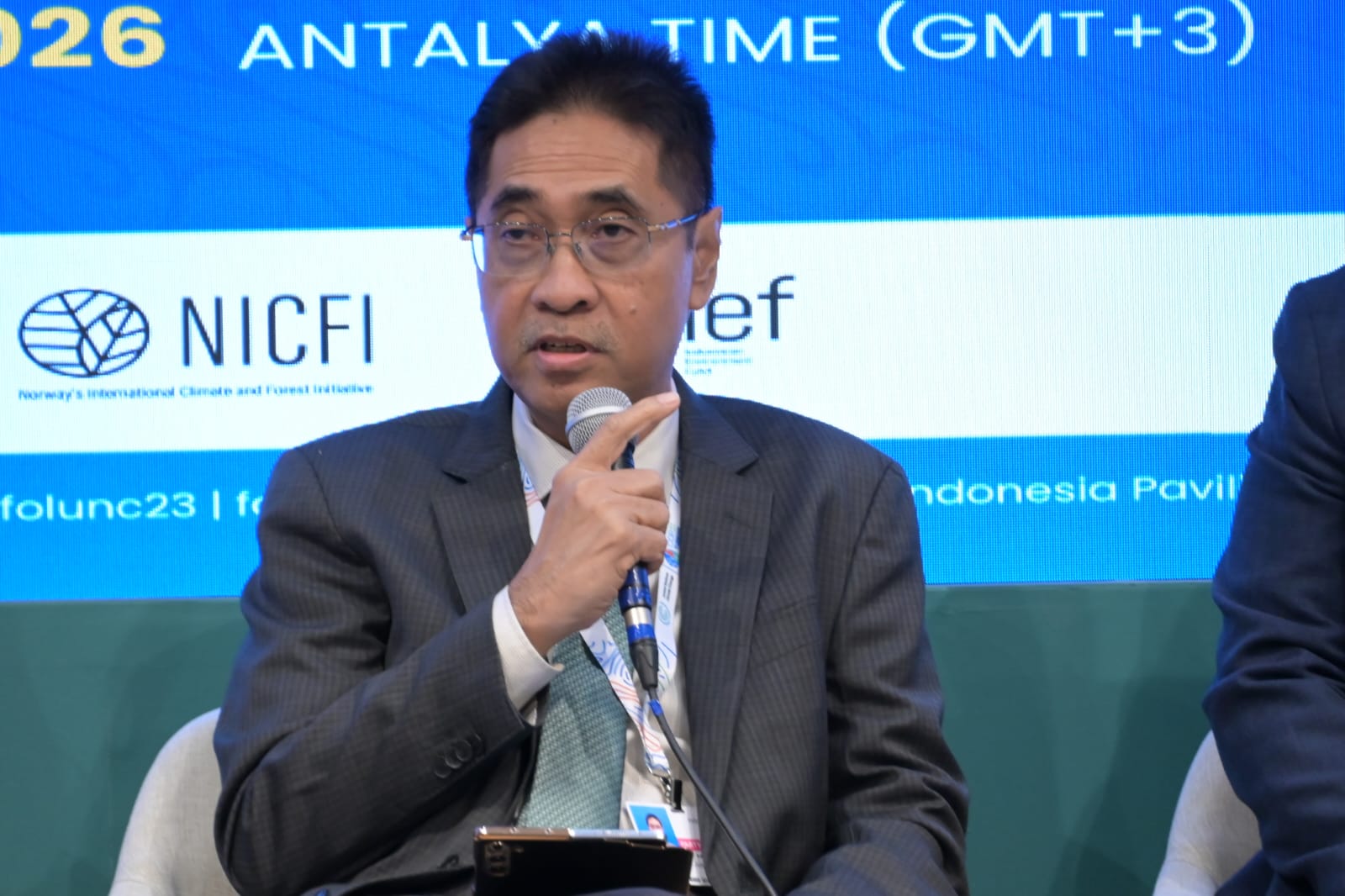
Forestry Minister Raja Juli Antoni outlined three key points on November 23 amid growing public concern over the future of the species and conservation plans in the national park. He stressed that the government remained committed to protecting Ujung Kulon as the rhinos’ main home through forest rehabilitation, ecosystem restoration and tighter security.
The minister said the government planned to increase the number of camera traps and forest rangers to improve wildlife monitoring and protection.
“The main idea is precisely to keep Ujung Kulon as the primary home for the Javan rhino. We must improve the forest, rehabilitate it, restore the ecosystem and strengthen security,” Raja Juli said.
He also firmly rejected speculation about mining activities in the national park, stating that the ministry would never issue a Forest Area Use Approval (PPKH) for mining within Ujung Kulon National Park.
The minister said there were currently no mining business permits within the national park or its surrounding waters. He reiterated that all management policies would prioritise ecosystem protection and the survival of the rhinos’ natural habitat.
“I promise that I will never issue a mining-related PPKH for Ujung Kulon National Park,” he said.
The third point concerned plans to develop a second habitat or second wild population of Javan rhinos, an idea that has been discussed since the 1980s as part of long-term conservation planning.
The proposal aims to reduce the risk of extinction because the entire remaining wild population is concentrated in Ujung Kulon. Potential threats include volcanic activity, tsunamis, disease outbreaks, habitat limitations, overpopulation and inbreeding.
Raja Juli said scientists and conservation experts had continued exploring the possibility of establishing another habitat, with discussions extending through 2012 and beyond.
However, he stressed that the proposal did not mean removing the entire population from Ujung Kulon. If experts eventually recommend translocation, only a small number of individuals would be considered.
No decisions have been made regarding the location, number of rhinos, relocation methods or implementation schedule. All aspects remain under study with Indonesian and international experts.
The minister said the government would not proceed without strong scientific recommendations, including input from researchers at IPB University and Gadjah Mada University (UGM), as well as international research partners.
Alongside habitat studies, the ministry is working with IPB University to establish a biobank to study Javan rhino behaviour and preserve genetic material. The initiative includes collecting genetic samples and sperm to safeguard biological resources in the event of a catastrophic event affecting the population.
Meanwhile, conservation activities within Ujung Kulon continue to be strengthened through the Javan Rhino Study and Conservation Area (JRSCA), covering approximately 5,100 hectares in Gunung Honje, within the national park.
The programme includes more intensive habitat management, security patrols, camera-trap installations, habitat restoration and monitoring of rhino health and reproduction.
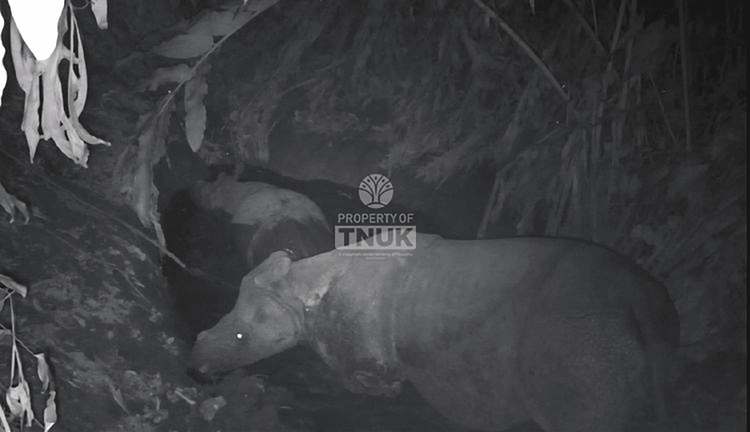
Recent monitoring has provided evidence of continued natural breeding. On October 10, 2026, at 9:35 p.m. Western Indonesian Time, a camera trap recorded a Javan rhino calf estimated to be one to two months old alongside its mother, Desy.
The birth marked Desy’s fifth recorded calf since 2013, following Arjuna in 2013, Arum in 2015, Hawa in 2018 and Syauki in 2024. Earlier, on January 29, 2026, camera traps also recorded a calf belonging to another female, Arum, in the Cigenter Block.
Ardi Andono, head of Ujung Kulon National Park, described Desy as one of the productive breeding females in the peninsula.
He said Desy was in good condition and experienced in raising her offspring. Conservation teams would continue intensive monitoring around the location to protect the mother and calf without disturbing them.
Mahfudz, acting director general of natural resources and ecosystem conservation at the Ministry of Forestry, said the birth demonstrated that Ujung Kulon continued to provide suitable conditions for natural Javan rhino reproduction.
He added that the ministry would strengthen protection efforts, including habitat management through JRSCA.
The ministry estimates that Indonesia’s Javan rhino population currently ranges from 87 to 100 individuals. Given the species’ extremely limited numbers, each animal is vital to its survival.
The government said future conservation decisions would consider habitat conditions, animal health, genetic diversity, disaster risks, site security and the long-term viability of the population. It also pledged to keep the public informed about developments in the conservation programme. (*)