Enviro News Asia, London – Indonesia unveiled its Multi-Business Forestry (MUK) scheme to promote sustainable forest management at the 2025 Forest Governance, Markets, and Climate (FGMC) Stakeholder Forum in London.
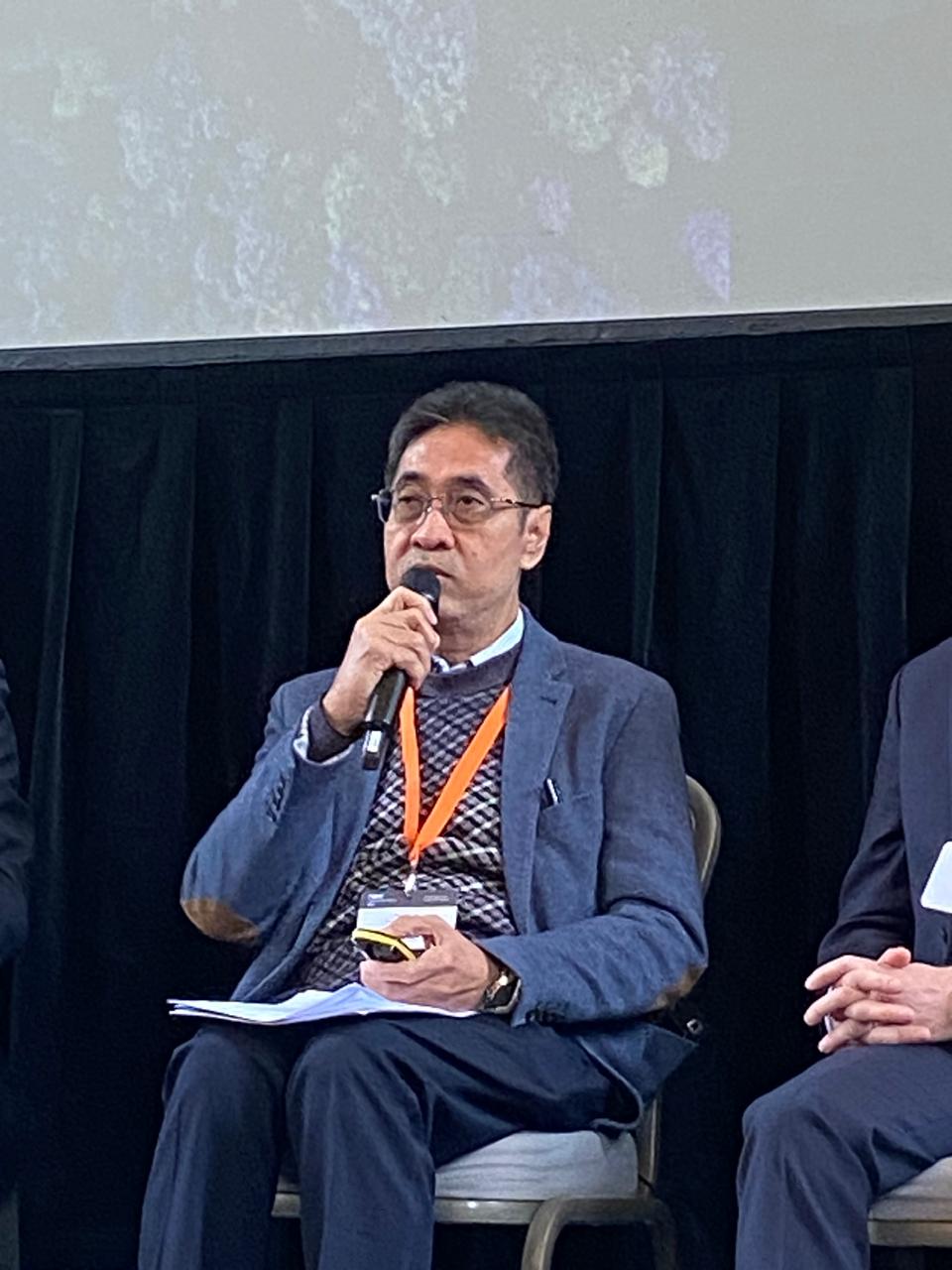
Agus Justianto, Vice Chairman II of Indonesia’s FOLU Net Sink 2030 Working Team at the Ministry of Forestry, highlighted the challenges traditional forest management faces, such as deforestation, biodiversity loss, and tenure conflicts. “Policy transformation in forest management is essential,” Agus stated on Thursday (January 23, 2025).
He outlined Indonesia’s forest management policy transformation. The first step is reorienting forest management toward sustainable practices and community involvement. Forest utilization must consider environmental carrying capacity, prevent biodiversity loss, and remain economically viable to support national growth.
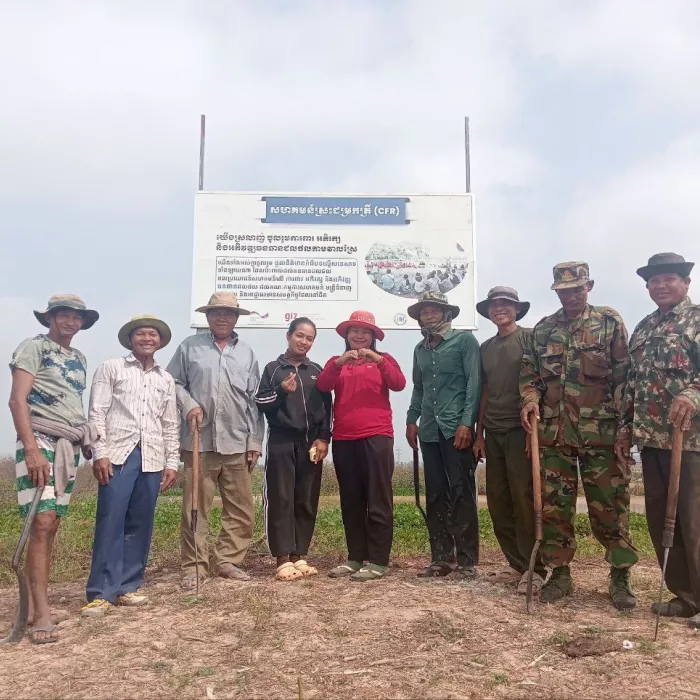
Another critical element is creating broad opportunities for community involvement in forest management and utilization to enhance their welfare.
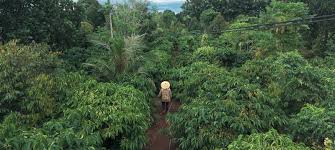
Agus explained that Indonesia is transforming its forest management policies by implementing the MUK scheme, which focuses on landscape-based forest management. “By applying MUK, forestry concessions can conduct diverse business activities, including the utilization of timber, non-timber forest products, environmental services, and land use optimization to maximize forest potential,” he said.
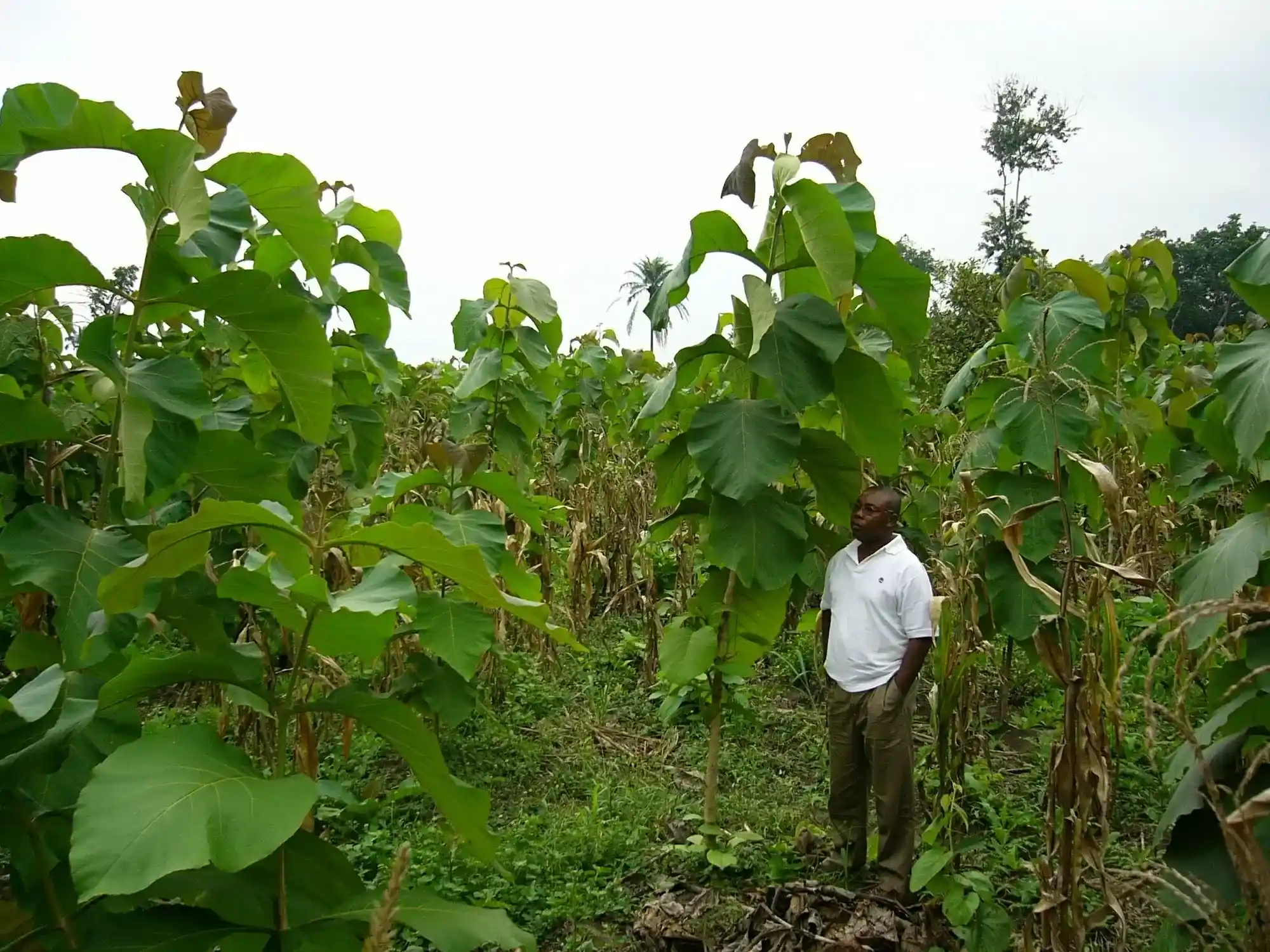
Through MUK, community participation in forest management will also expand. Forestry concessions (Forest Utilization Business Licenses/PBPH) can implement agroforestry to develop non-forestry commodities while maintaining forest sustainability.
Agus noted that implementing MUK in Indonesia could serve as a model for other countries to enhance conservation efforts, support sustainable economic growth, and empower communities.
The FGMC Stakeholder Forum was organized by the United Kingdom Foreign, Commonwealth, and Development Office (FCDO) on January 23–24, 2025. The forum brought together senior officials, business actors, NGOs, and international organizations from various countries to discuss improving governance and reducing illegal forest resource exploitation. It also aimed to enhance the welfare of communities in and around forests as a response to climate change challenges. *