Enviro News Asia, Jakarta – The Ministry of Religious Affairs will launch a movement to plant 1 million matoa trees (Pometia pinnata) in commemoration of Earth Day, which falls on April 22, 2025. This initiative aims to strengthen the role and awareness of religious institutions in environmental stewardship, while also implementing the Priority Program of Ecotheology.
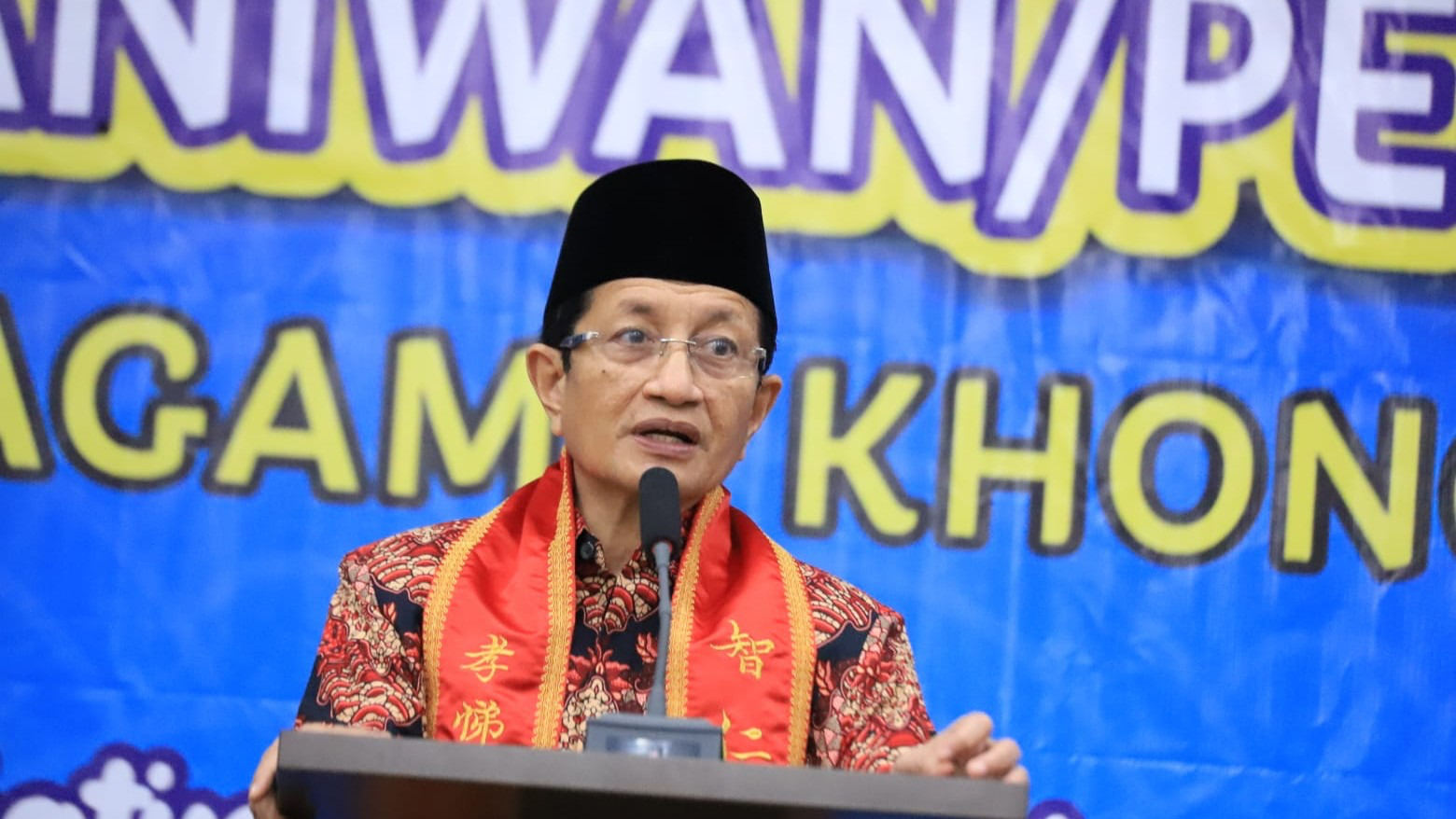
“All working units of the Ministry of Religious Affairs, including the Offices of Religious Affairs (KUA) and religious educational institutions, will be mobilized to plant trees simultaneously on April 22, 2025, as part of the Earth Day commemoration. We will also involve houses of worship in this movement. We hope this effort contributes to environmental conservation and helps prevent climate degradation,” said Minister of Religious Affairs Nasaruddin Umar in a statement on Saturday, April 12, 2025.
Strengthening Ecotheology is one of the eight (asta) priority programs of the Ministry of Religious Affairs, as stated in the Ministerial Decree (KMA) No. 244 of 2025 on the Priority Programs of the Minister of Religious Affairs for 2025–2029. As a follow-up, the Secretary General of the Ministry has issued Circular Letter No. 182 of 2025 regarding the Movement to Plant 1 Million Matoa Trees in celebration of the 55th Earth Day.
The Ecotheology Movement also involves inter-ministerial collaboration, including with the Ministry of Environment and the Ministry of Forestry for the provision of tree seedlings. Support from local governments and farmer groups is also crucial for field implementation of the matoa planting. Matoa was chosen because it is a tropical tree native to eastern Indonesia. Its fruit is a blend of rambutan and longan, with a unique aroma and distinct taste. The fruit is also favored by birds and the tree grows easily in various regions. Its wood is commonly used for furniture, and the leaves have medicinal uses.
The Head of the Mosque Sub-directorate of the Ministry of Religious Affairs, Abu Rokhmad, stated that mosques with open land or yards are encouraged to plant trees. According to him, mosques have great potential to become centers for ecological education. The Eco-Mosque program has already been launched with an environmentally friendly approach, covering waste management, renewable energy use, and greening of worship areas.
“Mosques will become engines of environmental preaching. Education through Friday sermons, study groups, and training will be aligned with the spirit of ecotheology,” he explained.
In addition to mosques, the Offices of Religious Affairs (KUA) are seen as strategic places to be developed into models of Green KUAs. Tree planting will be integrated into religious services, including premarital counseling and religious outreach, accompanied by tree planting activities.
The Ministry of Religious Affairs is also encouraging the development of environmentally-based endowments (wakaf). Several programs have been initiated, such as Forest Wakaf, Well Wakaf, Coffee Tree Wakaf, and seaweed farming through zakat-based initiatives.