Enviro News Asia, Jakarta – Indonesia’s waste crisis remains a major challenge. Data from the National Waste Management Information System (SIPSN) recorded that total waste generation in 2024 reached 27.74 million tons, or about 76,000 tons per day. Alarmingly, nearly 40 percent of this comes from food waste piling up at Final Disposal Sites (TPA). The situation is further aggravated by the continued use of the open dumping system in at least 343 TPAs, which poses risks of disasters like the Leuwigajah landfill landslide in Cimahi back in 2005.
In response, the Ministry of Environment/Environmental Control Agency (KLH/BPLH) has launched a new policy: turning organic waste into fertilizer and soil improvers. The initiative aims to achieve 100 percent organic waste management by 2029, while at the same time supporting sustainable food self-sufficiency, reducing dependence on chemical fertilizers, and strengthening critical land restoration.
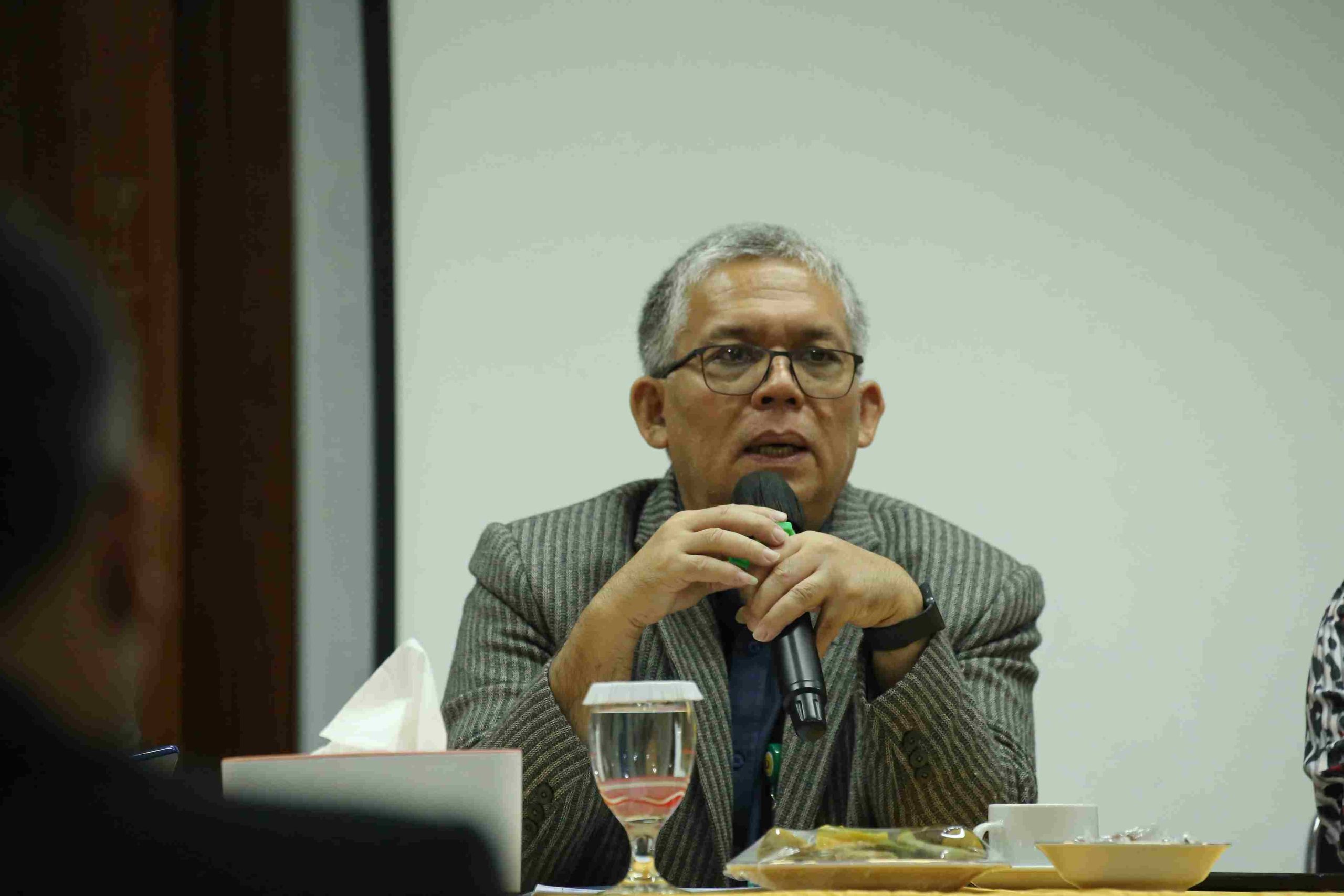
“Organic waste management is a national strategy to transform waste into a productive resource. This is not only about the environment, but also about building a clean culture and strengthening sustainable public services,” emphasized Noer Adi Wardojo, Senior Advisor to the Minister on Biodiversity Resource Sustainability and Socio-Cultural Affairs.
The initiative is designed on a circular economy model, involving cross-sector collaboration among government, businesses, cooperatives, NGOs, and communities. The business model will connect the entire chain from upstream to downstream—starting from waste sorting at the source, collection of separated waste, processing with proven technologies, to the distribution of organic fertilizers for farmers and local communities.
Its impact is expected to extend beyond the environment, bringing improvements in farmer welfare and creating new economic opportunities at the local level. The first stakeholder consultation on August 22, 2025, resulted in full support and commitment to partnership in the implementation of the policy. A follow-up meeting is scheduled for September, before the official regulation is issued in October 2025.
This policy is seen as a significant milestone in Indonesia’s transition toward a bioeconomy in line with the vision of the National Long-Term Development Plan (RPJPN) 2025–2045. With broad public support, KLH/BPLH is optimistic that the organic waste crisis can be transformed into a golden opportunity to achieve sustainable food, a healthier environment, and a greener future for Indonesia. (*)