Enviro News Asia, Jakarta – Indonesia has initiated a transition from the Clean Development Mechanism (CDM) under the Kyoto Protocol to the international carbon trading framework regulated by Article 6.4 of the Paris Agreement. The move marks a significant step for the country in strengthening its role in global carbon markets while meeting its emission reduction commitments.
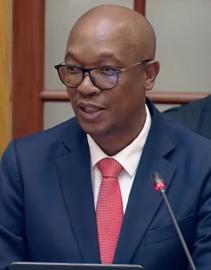
Deputy for Climate Change Control and Carbon Economic Value Governance (PPITKNEK) Ary Soedijanto said the transition will deliver high-integrity carbon credits and broaden stakeholder participation in emission reduction efforts.
Indonesia currently oversees 14 CDM projects that generated approximately 4.8 million tons of CO2 equivalent. These projects have been included in the eligible list approved by Indonesia as the host party and will proceed under the new mechanism.
“Transitioning these projects ensures continuity while enhancing credibility in the international carbon market,” Ary said. “It also supports Indonesia’s dual role of meeting its own emission reduction targets under the Enhanced Nationally Determined Contribution (ENDC) and supplying carbon credits to the global market.”
CDM previously allowed developed countries to fulfill part of their emission reduction obligations by funding projects in developing nations. Under the Paris Agreement, the mechanism evolves into Article 6.4, which enables broader cooperation and trade of emission reductions between participating countries.
The Environment and Climate Control Agency (KLH/BPLH), acting as the Designated National Authority, will oversee the transition process by issuing Letters of Approval for project proponents. The ministry also called on CDM project developers registered under the Kyoto Protocol to submit transition requests to ensure eligibility.
Indonesia’s government emphasized that all transitioned projects must meet strict standards to guarantee transparency, fairness, and effectiveness. By doing so, the country aims to reinforce investor confidence, maintain emission reduction continuity, and enhance participation of developing countries in global carbon trading. (*)