Enviro News Asia, Beijing – China has reported significant progress in ecological and environmental protection after implementing thousands of pollution control and green transition projects during the 14th Five-Year Plan period from 2021 to 2025, government officials said in Beijing.
The Ministry of Ecology and Environment stated that more than 24,000 ecological and environmental treatment projects were carried out nationwide, resulting in substantial reductions in major pollutants and improvements in waste management and sewage treatment systems across urban and rural areas.
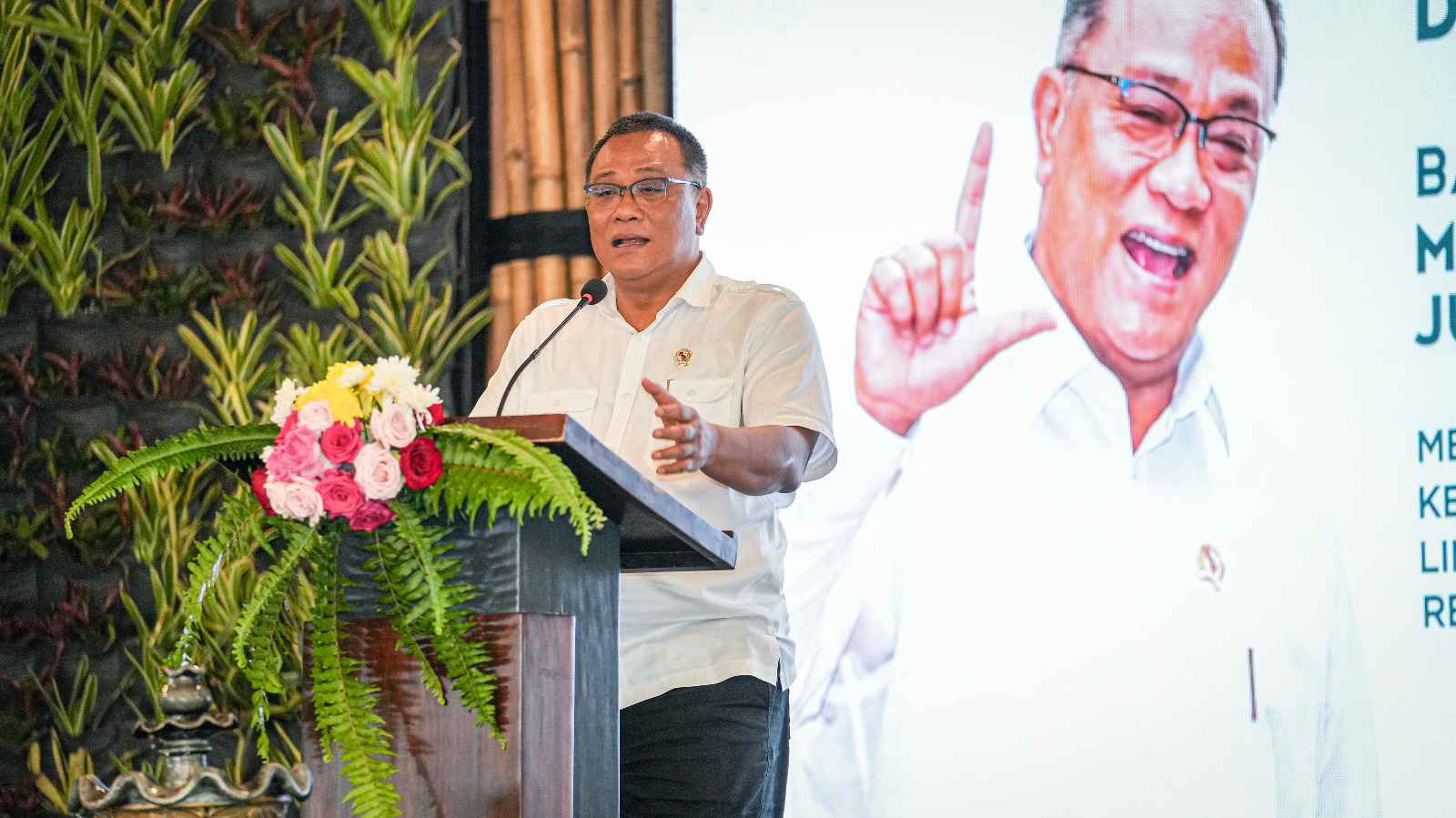
Sun Shouliang, an official with the Ministry of Ecology and Environment, said at a press conference that China achieved notable reductions in key pollutants, including nitrogen oxides, volatile organic compounds, chemical oxygen demand, and ammonia nitrogen, by phasing out outdated industrial capacity and strengthening wastewater treatment infrastructure.
“The reduction of major pollutants over the past five years reflects sustained efforts to upgrade industrial structures and improve environmental governance,” Sun said.
According to ministry data, China reduced nitrogen oxide emissions by approximately 210,000 tonnes and volatile organic compound emissions by about 220,000 tonnes during the 2021–2025 period, largely through the elimination of obsolete production capacity in high-emission sectors.
China also advanced the green transition of heavy industries by completing ultra-low emission upgrades for around 940 million tonnes of crude steel production capacity, 470 million tonnes of cement clinker capacity, 360 million tonnes of coking capacity, and 170 gigawatts of coal-fired power generation units.
In parallel, expanded sewage treatment projects in urban areas helped cut chemical oxygen demand by roughly 3.2 million tonnes and ammonia nitrogen by about 350,000 tonnes over the five-year period, Sun said. Rural environmental management also improved, with the national rural domestic sewage treatment rate reaching 55 percent by 2025, doubling compared with levels recorded at the end of 2020.
China has also strengthened its capacity to manage hazardous waste. Sun said the country’s hazardous waste disposal capacity has reached approximately 220 million tonnes per year, representing an increase of about 60 percent compared with 2020.
Looking ahead, Sun said the ministry plans to continue designing and implementing a series of high-standard flagship projects during the 15th Five-Year Plan period from 2026 to 2030 to further consolidate ecological and environmental gains. (*)