Enviro News Asia, Goroka — The International Fund for Agricultural Development (IFAD) announced on 3 March 2026 that it will co-finance the Government of Papua New Guinea’s AgriConnect Action Plan alongside the World Bank, the Asian Infrastructure Investment Bank (AIIB), and other partners. Officials launched the initiative in Goroka as part of efforts to transform the country’s agri-food system.
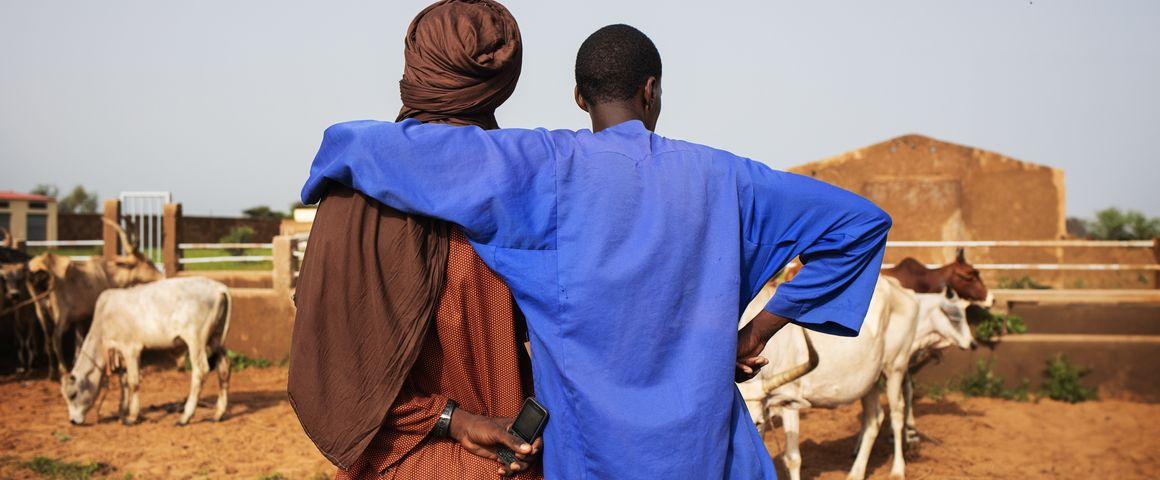
AgriConnect is a global initiative designed to convert small-scale farming into a driver of sustainable growth, employment, and food security. In Papua New Guinea, the Action Plan aims to strengthen agribusiness ecosystems, position enterprises at the center of job creation, and link farmers and entrepreneurs to domestic and global food value chains. The programme seeks to modernize production and marketing systems for smallholder farmers while increasing their incomes and productivity.
IFAD Regional Director for Asia and the Pacific Reehana Raza emphasized the organization’s longstanding expertise in connecting farmers to markets and strengthening food value chains. She highlighted IFAD’s partnership with the World Bank Group to expand and deepen development impact across the region.
During the global AgriConnect announcement in October 2025, IFAD President Alvaro Lario committed to reaching at least 70 million small-scale farmers worldwide by 2030, aiming to improve incomes, productive capacity, and market access.
As part of the Papua New Guinea initiative, IFAD and the World Bank will co-finance the Papua New Guinea Agriculture Commercialization and Diversification Phase 2 (PACD-2) project. PACD-2 represents the first AgriConnect collaboration between IFAD and the World Bank in the Asia-Pacific region and will scale up support for farmers and agribusinesses.
The initiative directly advances Papua New Guinea’s target of creating one million rural jobs by 2033 under the National Agriculture Sector Plan (NASP) 2024–2033. It addresses barriers to private-sector investment by promoting digital agricultural technologies, strengthening aggregation models between farmers and agribusinesses, introducing de-risking financial instruments, and improving policy and regulatory frameworks to reduce business costs.
IFAD Country Director for Papua New Guinea Jing Pacturan stated that IFAD continues to invest in rural feeder roads, agricultural extension services, and access to finance to help small-scale farmers integrate into competitive markets. Through PACD-2 co-financing, IFAD aims to expand ongoing operations, benefit more rural households, and contribute to inclusive economic growth in the country. (*)