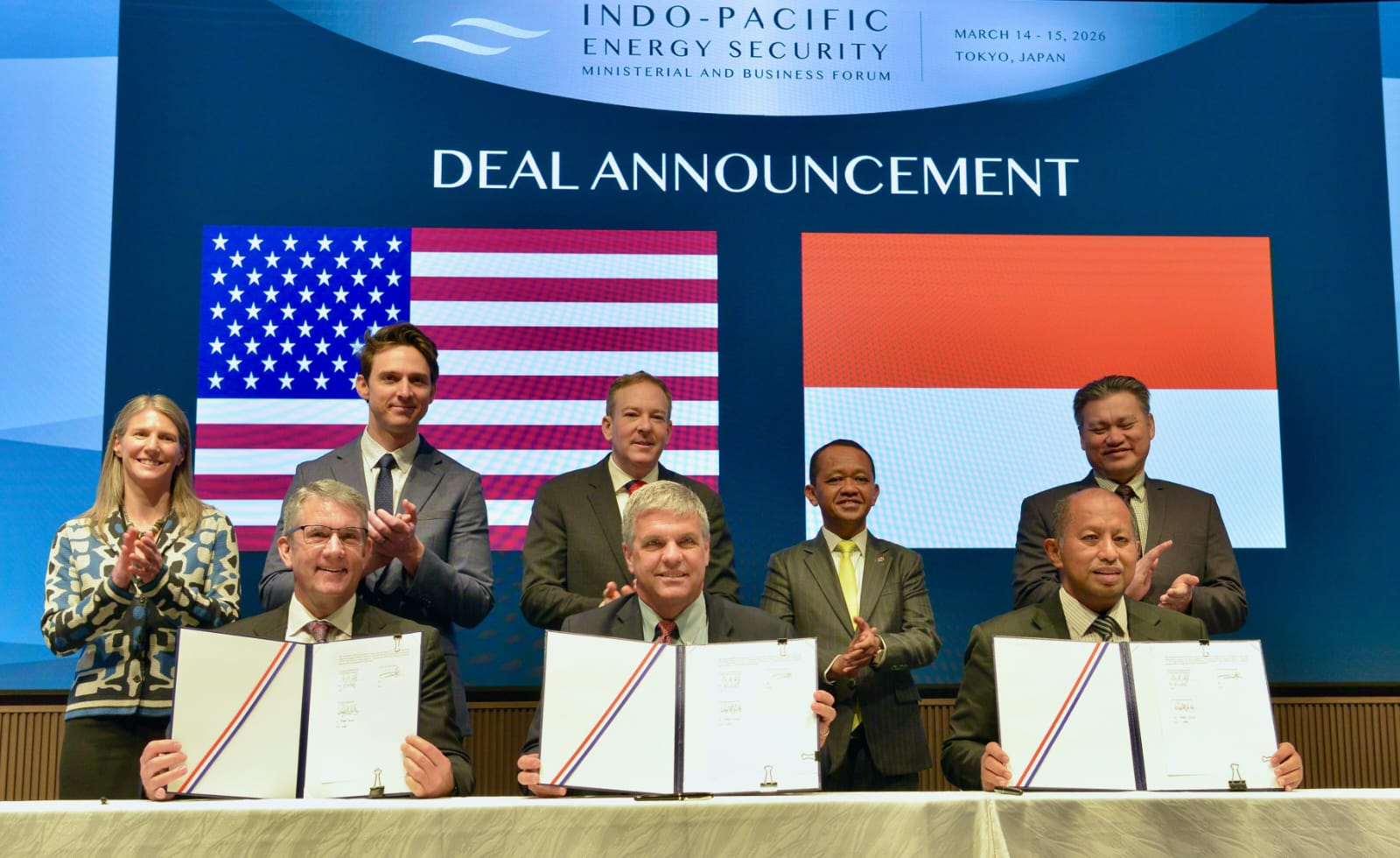
Enviro News Asia, Tokyo — The Government of Indonesia intensified efforts to strengthen its energy sector through international cooperation as part of its strategy to achieve energy self-sufficiency and resilience.
Minister of Energy and Mineral Resources Bahlil Lahadalia led a series of diplomatic engagements during his working visit to Tokyo, including participation in the Indo-Pacific Energy Security Ministerial and Business Forum (IPEM) and multiple bilateral meetings with partner countries.
Speaking at the forum, Bahlil emphasized the importance of collaborative partnerships amid global energy supply uncertainties, urging countries to pursue mutually beneficial cooperation rather than competitive approaches that could destabilize energy markets.
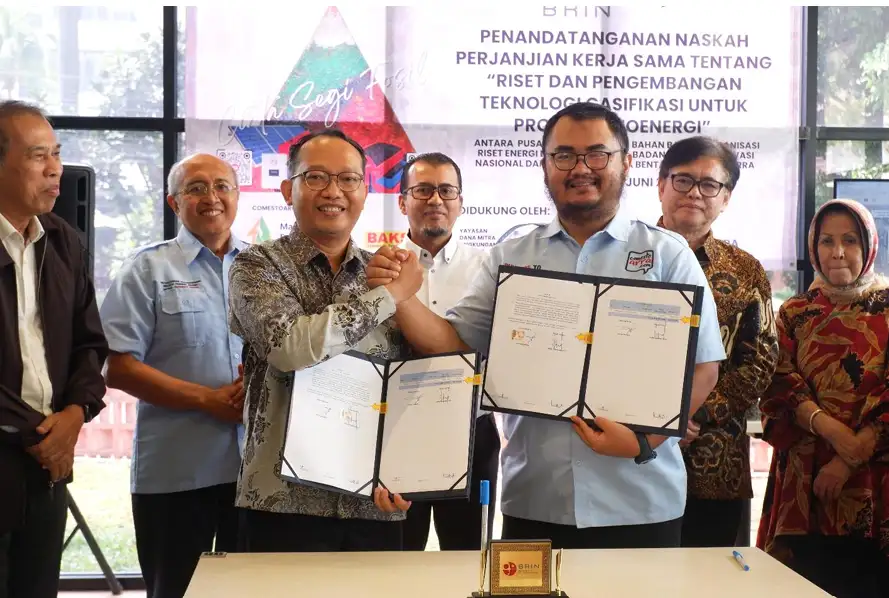
Indonesia and Japan signed strategic agreements covering critical minerals and nuclear energy, aiming to strengthen future energy supply chains and support the development of advanced energy technologies in the Asia-Pacific region. The agreements were formalized through Memorandums of Cooperation in both sectors.
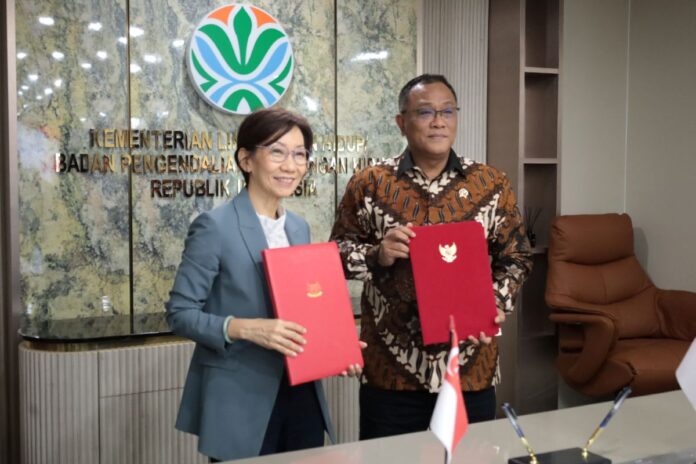
In Southeast Asia, Indonesia also made progress in energy discussions with Singapore. During a bilateral meeting with Tan See Leng, both sides advanced plans to develop the Riau Islands into a green technology industrial hub, with preparations nearing completion.
Further engagement took place with Brunei Darussalam, where Bahlil met Mohamad Azmi Mohd Hanifah to explore cooperation on oil supply resilience and renewable energy development.
At the IPEM forum, Bahlil also witnessed a partnership between Geo Dipa Energi and Lilac Solutions to develop lithium extraction technology from geothermal brine. The collaboration highlights Indonesia’s potential to integrate geothermal energy development with strategic mineral production to support the global battery supply chain.
Through active and interest-driven diplomacy, Indonesia aims to position itself as a strategic partner in maintaining global energy stability while advancing its role as a hub for clean energy and green industrial development. (*)