Enviro News Asia, Jakarta — Hanif Faisol Nurofiq, Minister of Environment and Head of the Environmental Control Agency, emphasized that Indonesia’s waste management transformation must begin at the sub-district level, with a target of achieving 100 percent waste segregation at source.
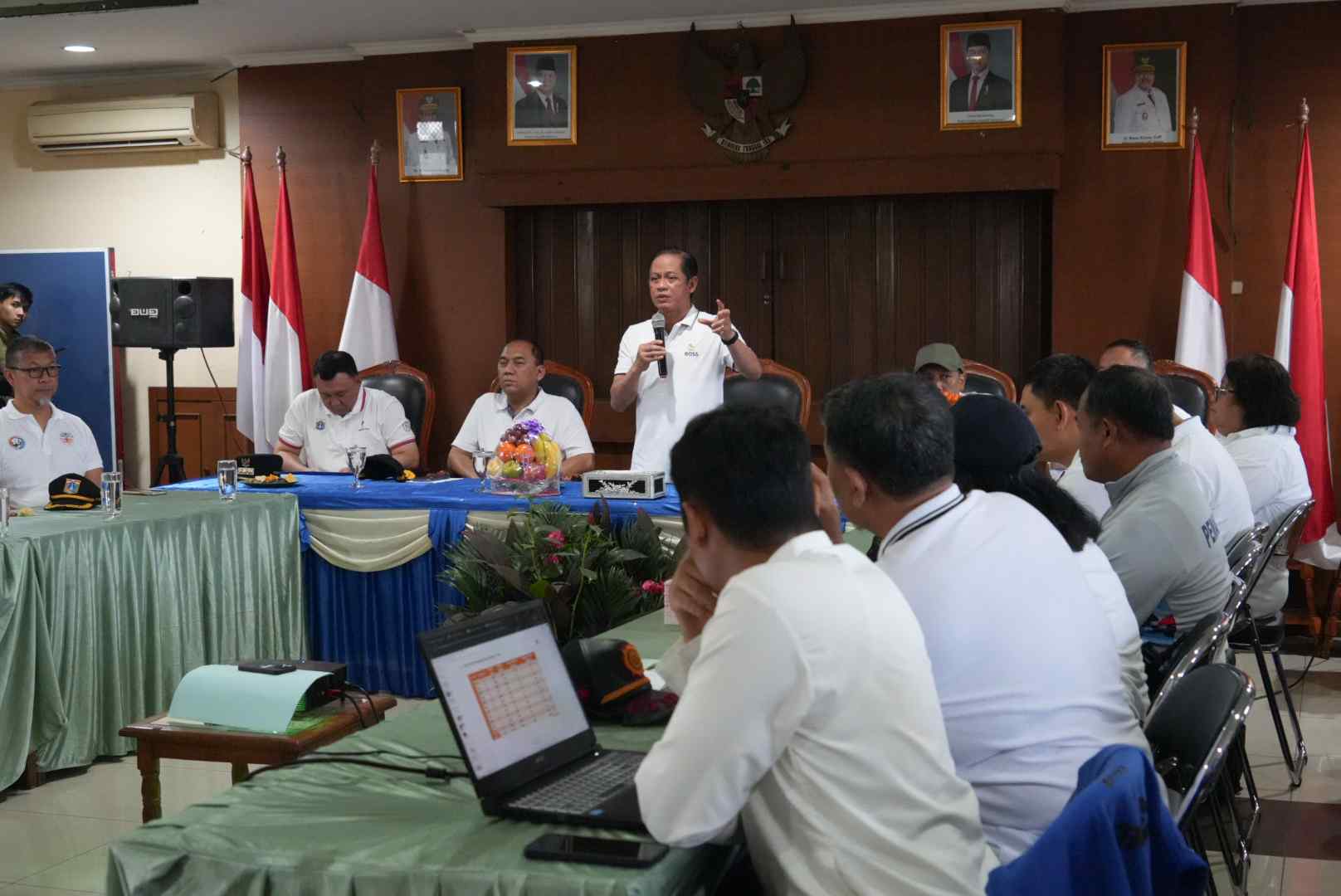
The commitment was marked by the declaration of Semper Timur as a pilot area for full waste segregation, reinforcing efforts to build a community-based waste management system.
Hanif stated that waste segregation is no longer optional but a legal obligation under Law No. 18 of 2008. He stressed that all waste management practices must now be based on proper sorting, both at individual and collective levels.
At the national level, the government is targeting a waste management rate of 63.41 percent by 2026. As of April 2026, the current achievement stands at approximately 26 percent, a significant increase from around 10 percent at the end of 2024. This progress has been partly driven by the gradual elimination of open dumping practices at around 30 percent of landfill sites nationwide.
The declaration in Semper Timur follows a broader commitment by North Jakarta to achieve full waste segregation, in line with national directives to promote environmentally sustainable communities under the ASRI (Safe, Healthy, Clean, and Beautiful) initiative.
With household waste generation in North Jakarta reaching approximately 719.61 tons per day from over 607,000 households, source-based waste management has become a critical strategy to reduce the burden on landfills.
The minister highlighted the crucial role of sub-district administrations as the frontline of behavioral change, noting that community-based approaches are essential to achieving long-term sustainability in waste management.
Through this initiative, the government reaffirmed that waste management is not merely a technical issue but a cultural transformation that must begin at the household level, with waste segregation as its foundation. (*)