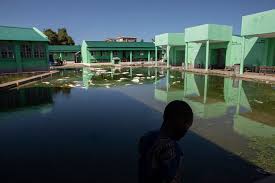
Enviro News Asia, Nairobi — Severe flooding triggered by heavy rainfall has once again struck Nairobi, highlighting the growing vulnerability of African cities to climate-induced water extremes. In the suburb of Ruai, floodwaters reportedly swept away three people earlier this week after intense rains overwhelmed local infrastructure.
The incident marks the second major flooding event in just over a month in Kenya. In March, torrential rains inundated large parts of the capital, leaving at least 37 people dead, according to media reports.
Experts warn that such disasters are becoming more frequent across East Africa due to the combined effects of rapid urbanization and climate change. Cities including Kampala and Juba are also facing increasing exposure to seasonal downpours, particularly during the March-to-May “long rains” period.
According to United Nations Environment Programme, urban areas across the continent are experiencing more extreme water cycles—ranging from intense flooding to prolonged droughts. Ageing drainage systems, rapid expansion of impermeable surfaces such as roads and buildings, and blocked waterways have significantly reduced cities’ ability to absorb excess rainfall.
The situation is further exacerbated by climate trends. In 2024 alone, heavy rains across Burundi, Kenya, and Tanzania displaced approximately 700,000 people. Climate projections indicate that annual rainfall across much of East Africa could increase by up to 40 percent in the coming years.
To address these challenges, experts are calling for a shift in urban planning approaches. Instead of rapidly channeling water away, cities are encouraged to integrate natural water management systems into their development strategies. This includes protecting wetlands, restoring river systems, and preserving open spaces that can absorb and store rainwater.
Some cities have already begun adopting such approaches. In Nakuru, a “sponge city” initiative is redesigning urban areas to capture and slow rainwater runoff. Meanwhile, in Beira, the restoration of the Chiveve River has improved natural drainage and reduced flood risks.
Despite resource constraints, experts emphasize that African cities have the capacity to adapt through collaboration with communities, stronger policy frameworks, and support from international and private sector partners.
They caution, however, that time is limited. Decisions made today regarding infrastructure, land use, and water management will determine how effectively cities can withstand future climate impacts. (*)