Enviro News Asia, Cebu — Expanding equitable access to energy, particularly in Indonesia’s frontier and remote regions, remains a major challenge that the government continues to address. In many isolated areas, communities still rely on costly diesel generators, while economic activities and public services are constrained by limited and unreliable electricity supply.
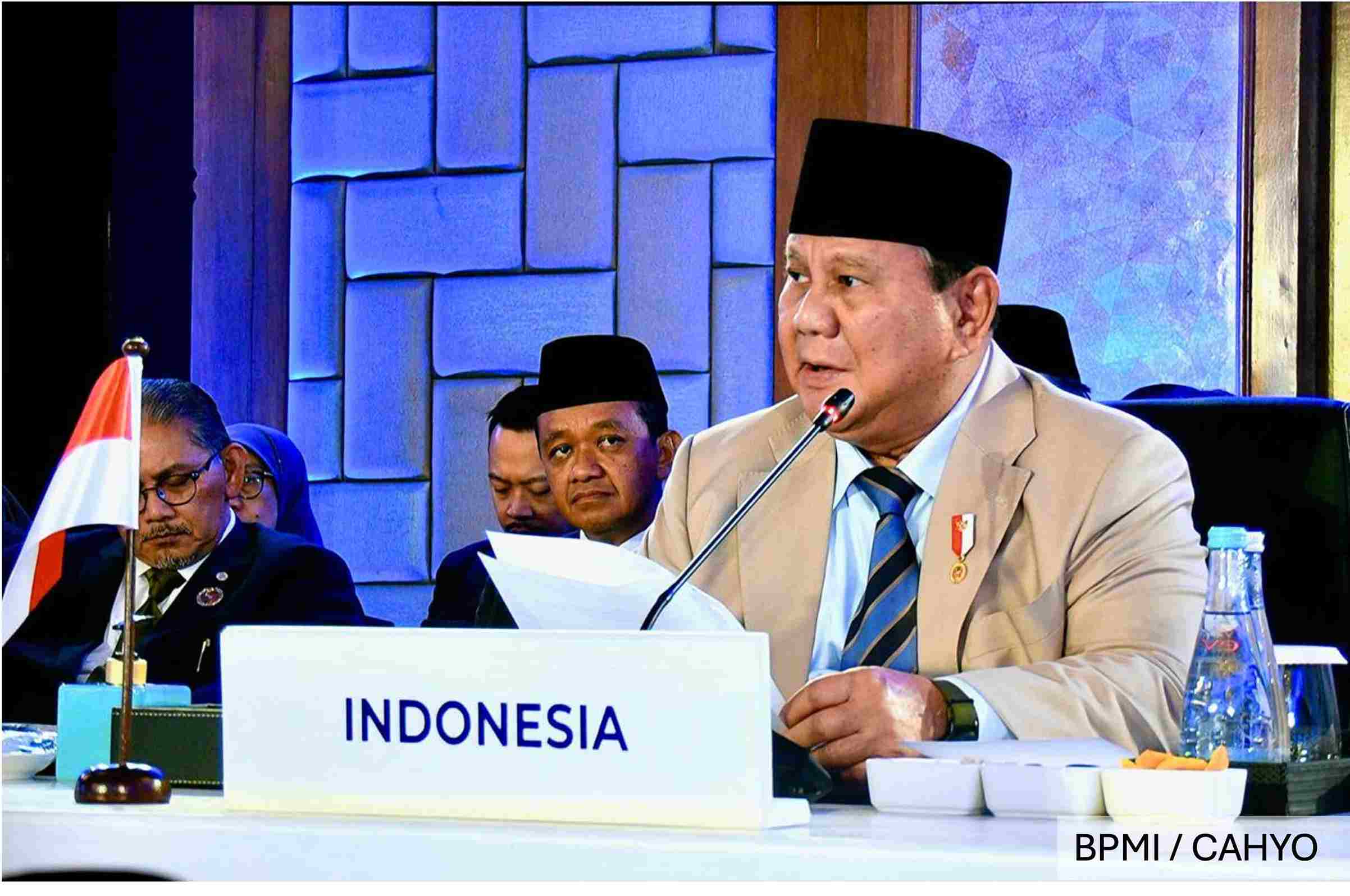
The issue was once again highlighted by Indonesia during the Special BIMP-EAGA Leaders’ Summit in Cebu on Thursday (7/5) local time.
Indonesia’s Minister of Energy and Mineral Resources, Bahlil Lahadalia, who accompanied President Prabowo Subianto at the summit, emphasized that regional energy infrastructure development must deliver tangible benefits for communities in disadvantaged, frontier, and outermost regions.
According to Bahlil, subregional cooperation should not only focus on strengthening cross-border connectivity, but also ensure equitable, reliable, and affordable electricity access for even the most remote communities.
“This forum is a subregional economic cooperation initiative established in 1994 to accelerate development in frontier and remote areas across the four member countries,” Bahlil said on the sidelines of the summit.
He explained that the BIMP-EAGA forum serves as an important platform for Indonesia to strengthen cross-border electricity development through energy interconnection projects, rural electrification initiatives, and renewable energy expansion. These efforts are considered crucial in improving energy access for border communities and remote islands, while also stimulating local economic growth.
“This synergy will strengthen collaboration so that people in remote areas can access affordable energy to improve their welfare,” Bahlil stated.
Through its active participation in the forum, the Ministry of Energy and Mineral Resources expressed optimism that cooperation among the four countries would further solidify regional energy infrastructure development. Such collaboration is expected not only to strengthen regional energy supply chains, but also to accelerate Southeast Asia’s emergence as a resilient and sustainable economic growth hub.
Meanwhile, President Prabowo Subianto stressed during the summit that BIMP-EAGA must continue evolving in order to respond more effectively to the needs of communities across the region. He noted that the subregional cooperation framework must become more adaptive, impactful, and responsive amid rapidly changing global dynamics.
“With that spirit, BIMP-EAGA must continue to evolve. It must become more adaptive, more impactful, and more responsive to the needs of our people,” President Prabowo said.
The President also emphasized that the primary priority of member countries is protecting the safety and livelihoods of their populations. While acknowledging that the BIMP-EAGA Vision 2035 has provided a clear strategic direction, he underscored the importance of ensuring concrete implementation.
“Our priority is clear: protecting the safety and livelihoods of our people. The BIMP-EAGA Vision 2035 has given us a clear direction. Now the task is to turn it into reality,” he stated.
Furthermore, President Prabowo highlighted the importance of strengthening subregional connectivity, including enhancing the capacity of the Trans Borneo Power Grid to improve energy distribution efficiency across the region. He stressed that achieving these objectives would require stronger financing mechanisms, technical expertise, and deeper partnerships with regional development partners.
“None of this will happen without the right support. We need to secure financing, mobilize technical expertise, and deepen partnerships with our regional advisors and development partners,” he concluded.
From Cebu, President Prabowo also conveyed a broader message that regional solidarity and cooperation remain key pillars for ASEAN in navigating increasingly complex global challenges. (*)