

Enviro News Asia, Jakarta — PT Pertamina (Persero), in collaboration with the Sustainability Center Universitas Pertamina (SCUP), convened the Sokoguru Policy Forum in Jakarta on Tuesday, 19 May 2026, bringing together policymakers, academics, industry experts, and energy stakeholders to strengthen Indonesia’s national energy resilience and accelerate a sustainable energy transition.
Held at the Grha Pertamina Ballroom, the forum served as a strategic dialogue platform aimed at formulating evidence-based policy recommendations for the country’s energy sector through the Senior Fellow SCUP program.
Carrying the theme “Strengthening National Energy Resilience and Transition through Pertamina’s Strategic Transformation,” the event emphasized the importance of collaboration among the government, state-owned enterprises, universities, and industry players in addressing future energy challenges.
Secretary General of the National Energy Council, Dadan Kusdiana, who delivered the keynote address, stated that Indonesia’s energy resilience agenda must be pursued through energy self-sufficiency and downstream industrialization strategies. According to him, these efforts include expanding energy supply, increasing energy access, accelerating the energy transition, and strengthening downstream industries.
“The Ministry of Energy and Mineral Resources highly appreciates Pertamina’s role as the frontline institution in maintaining national energy resilience and supporting the energy transition through upstream oil and gas strengthening, refinery capacity expansion, downstream petrochemical development, renewable energy projects, and decarbonization initiatives,” Dadan stated.
Meanwhile, Pertamina Vice President Director Oki Muraza explained that the name Sokoguru Policy Forum was inspired by President Prabowo Subianto’s statement describing Pertamina as the “pillar” or backbone of Indonesia’s energy and economic resilience.
Oki emphasized that all strategic projects and policies developed by Pertamina must be grounded in accurate data, field realities, and scientific analysis through an evidence-based policy approach.
Pertamina Independent Commissioner Raden Adjeng Sondaryani highlighted that building strong national energy resilience is a long-term process shaped by the country’s ability to respond to global dynamics, technological disruption, and geopolitical complexity.
She noted that these challenges remain central to Pertamina’s Dual Growth Strategy as outlined in the company’s Long-Term Corporate Plan.
Pertamina Director of Transformation and Business Sustainability Agung Wicaksono underscored the importance of strengthening Indonesia’s energy transition value chain through upstream oil and gas optimization, low-emission energy development, and accelerated implementation of Sustainable Aviation Fuel (SAF).
He also stressed the need for stronger collaboration among stakeholders, associations, policymakers, think tanks, and industrial actors in formulating inclusive and sustainable energy policies.
“This forum highlights the importance of strategic dialogue and collaborative knowledge sharing as the foundation for policy formulation capable of ensuring national energy availability for the public,” Agung stated.
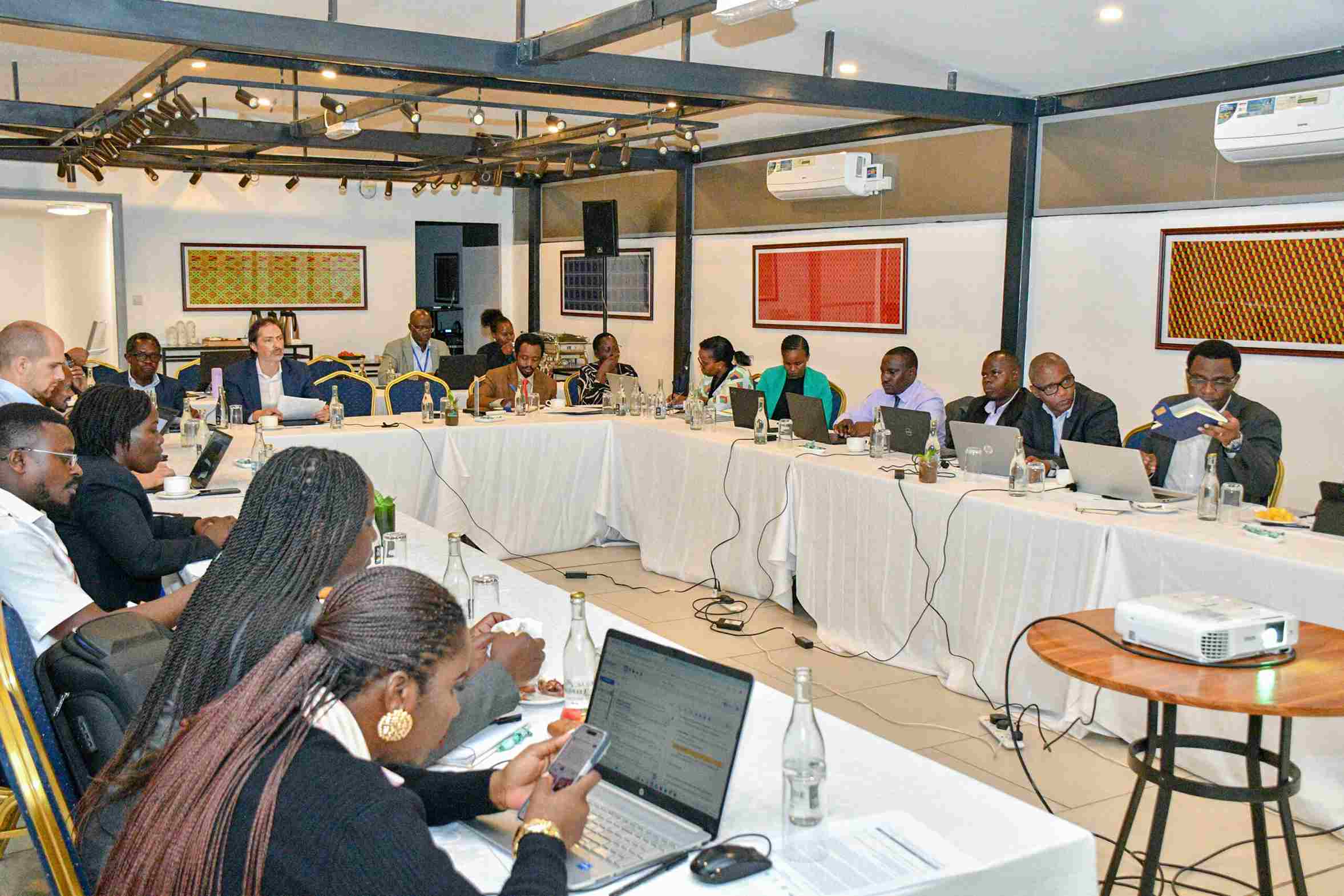
The event also featured a panel discussion involving several national energy experts and policymakers, including Director of Oil and Gas Program Development at the Ministry of Energy and Mineral Resources Hendra Gunawan, Senior Fellow SCUP Retno Gumilang Dewi, upstream oil and gas analyst Benny Lubiantara, and Reforminer Institute Executive Director Komaidi Notonegoro.
Discussions focused on strategic issues such as strengthening upstream oil and gas sectors, optimizing national hydrocarbon production, gas development as transition energy, downstream industrialization, and the expansion of biofuel and biorefinery industries as low-emission energy solutions.
Hendra Gunawan highlighted the importance of adaptive oil and gas regulations to strengthen national energy resilience in both upstream and downstream sectors. Benny Lubiantara pointed to declining oil and gas production trends and emphasized the need for fiscal reform, accelerated innovation, exploration activities, enhanced oil recovery, and unconventional oil and gas technologies.
On the low-emission energy sector, Retno Gumilang Dewi stressed the urgency of developing bio-based fuels and biorefineries to support Indonesia’s sustainable energy future while strengthening domestic economic value chains.
Komaidi Notonegoro, meanwhile, emphasized the importance of national energy-economic modeling and efficient energy distribution strategies, noting that state-owned enterprises such as Pertamina play a crucial role in ensuring reliable energy access across Indonesia.
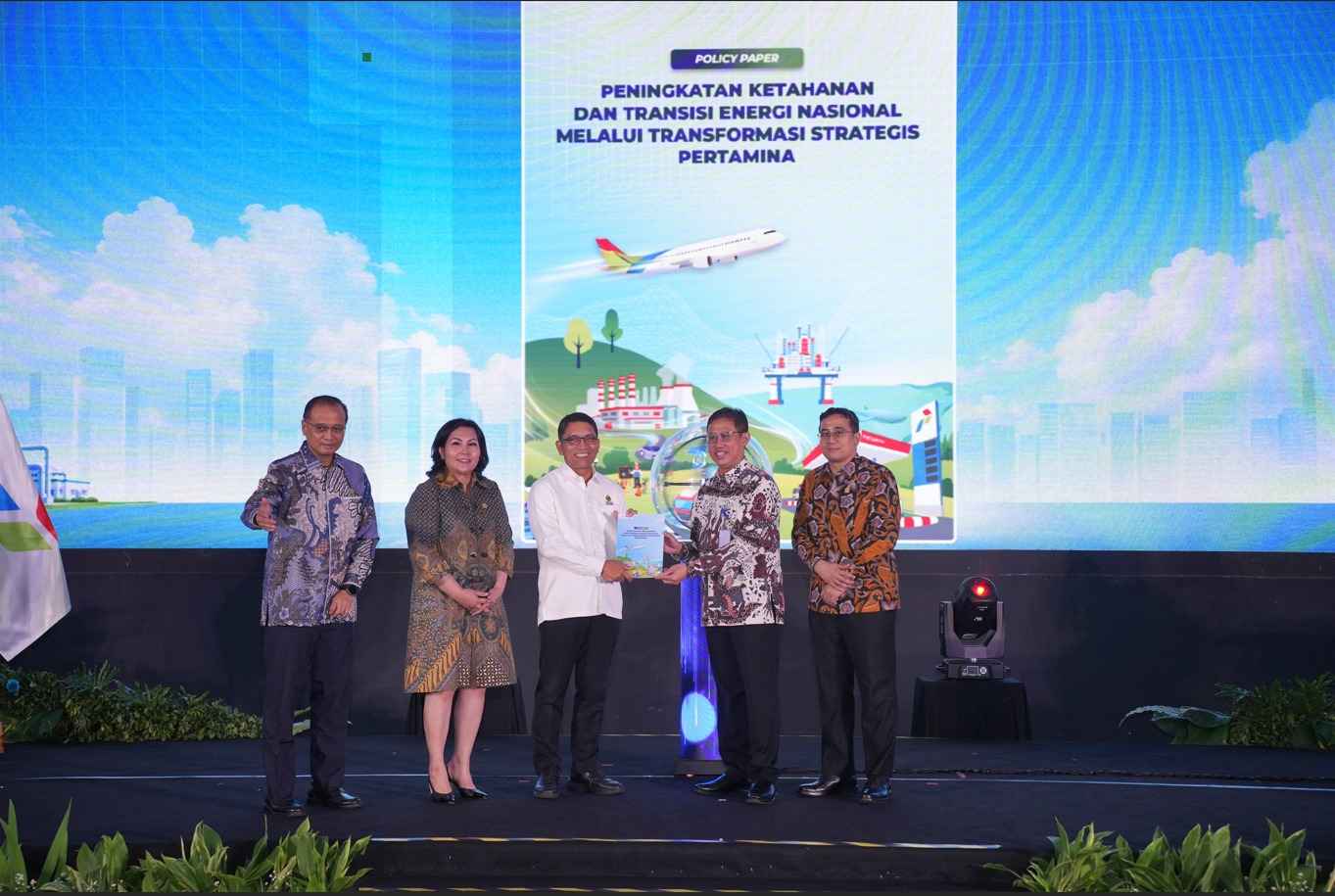
As part of the forum’s closing session, representatives of the Sustainability Center Universitas Pertamina symbolically handed over an academic policy paper to the Ministry of Energy and Mineral Resources. The document contains strategic policy recommendations aimed at supporting Indonesia’s long-term energy resilience and transition agenda.
Through the Sokoguru Policy Forum, Pertamina reaffirmed its commitment to strengthening cross-sector collaboration in support of Indonesia’s energy resilience, sustainable energy transition, and Net Zero Emission 2060 target, while continuing to implement Environmental, Social, and Governance (ESG) principles across its operations. (*)