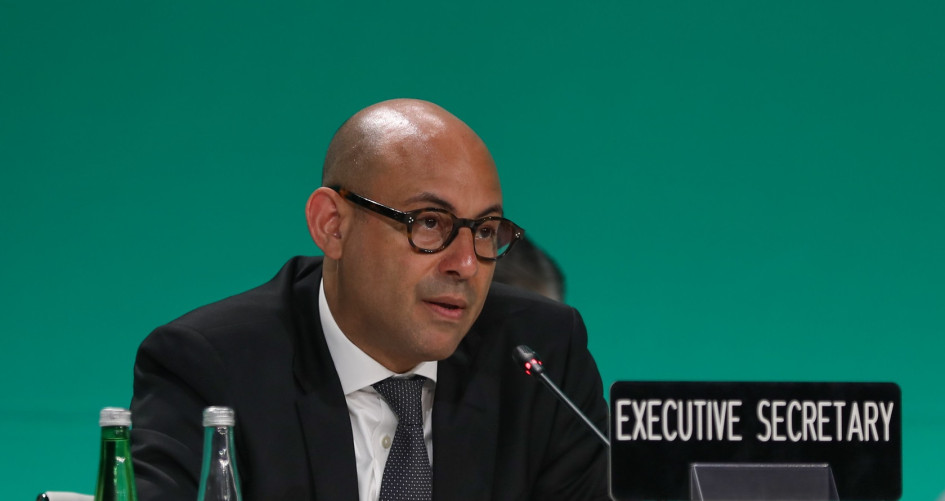
Enviro News Asia, Nairobi — The head of United Nations Framework Convention on Climate Change has called on countries to ensure that COP31 delivers concrete outcomes demonstrating that global climate cooperation remains resilient despite mounting geopolitical and economic instability.
In remarks outlining priorities for the upcoming climate negotiations, the UN climate chief warned that the world is facing another decisive year within what he described as a “crucial decade” for climate action.
He said recent global developments, including conflict in the Middle East and resulting fossil fuel price shocks, have reinforced the urgency of accelerating the clean energy transition.
“The Middle East conflict has ignited a fossil fuel cost crisis, demonstrating that the clean energy transition offers economic stability and energy security,” he said.
The statement also highlighted growing climate risks that are increasingly shaping political and economic conditions worldwide, emphasizing the need for governments to maintain momentum toward achieving the goals of the Paris Agreement, including limiting global warming to 1.5 degrees Celsius.
According to the UN climate chief, countries already have clear milestones related to climate finance, mitigation, and adaptation for 2030 and 2035. He stressed that by the time governments gather for COP33 and the second Global Stocktake, the international community must be significantly closer to achieving those goals.
He called for substantial progress during the June climate meetings in Bonn, Germany, so that negotiations at COP31 can focus on delivering concrete outcomes and strengthening implementation efforts.
The speech emphasized that climate negotiations must increasingly prioritize real-economy action alongside formal diplomatic processes. The UN climate chief urged countries to elevate the “Action Agenda” within the climate process to accelerate implementation in key sectors.
Priority areas identified included investment in electricity grids and electrification, methane emissions reduction, resilient urban development, and food security.
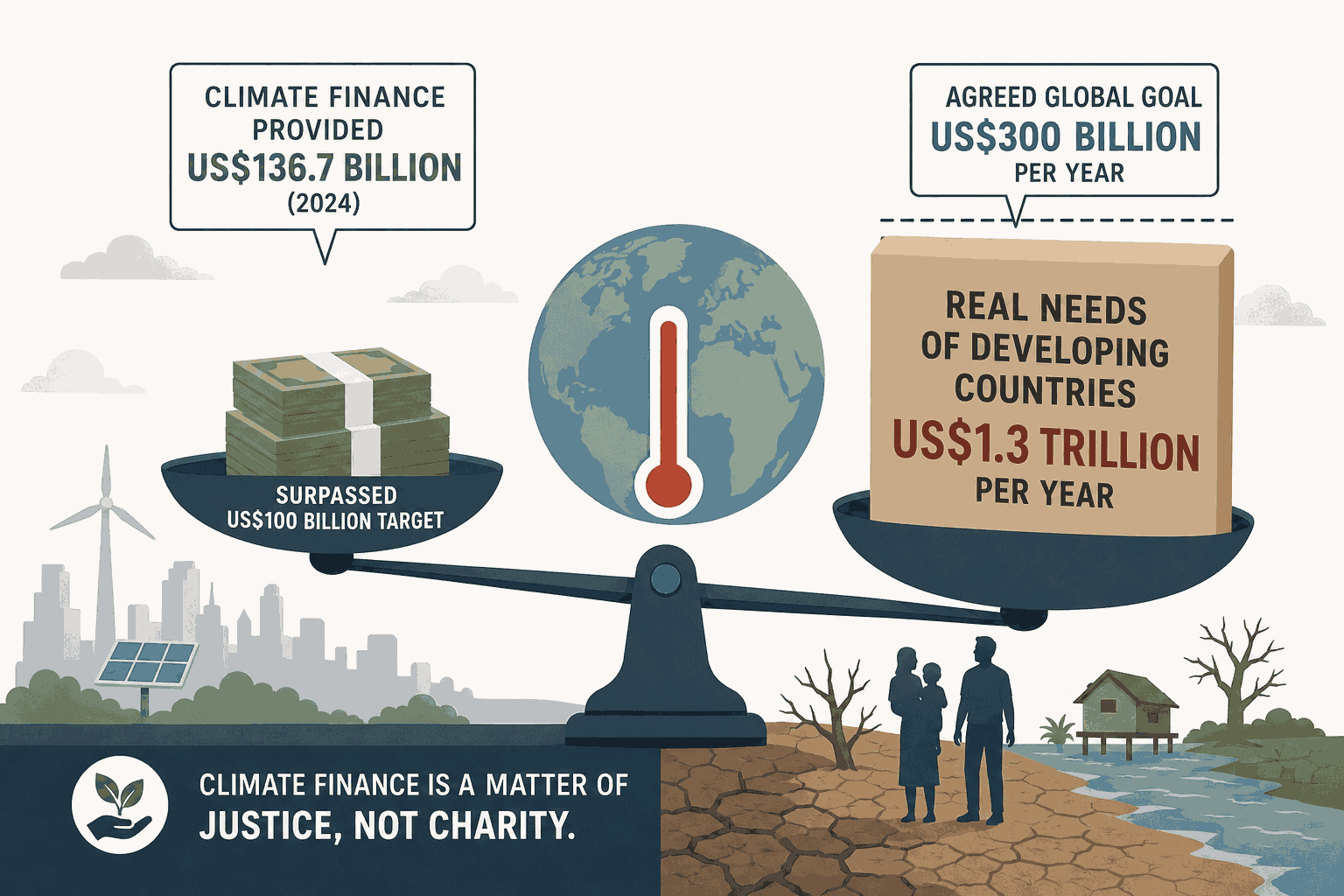
He also stressed the importance of delivering the roadmap toward mobilizing US$1.3 trillion in climate finance, alongside the obligations of developed countries to support developing nations.
The remarks referenced ongoing work under the COP30 Presidency Roadmaps and highlighted expectations for Australia’s role in supporting future negotiations, including advancing discussions on just transition pathways and improving access to climate finance.
The UN climate chief concluded by urging ambitious countries to move faster than consensus-based negotiations often allow, saying stronger leadership from leading nations could help accelerate global momentum.
“Over these vital years, we also need the most ambitious among you taking the lead — coming together to make progress further and faster than consensus allows. The world will follow,” he said. (*)