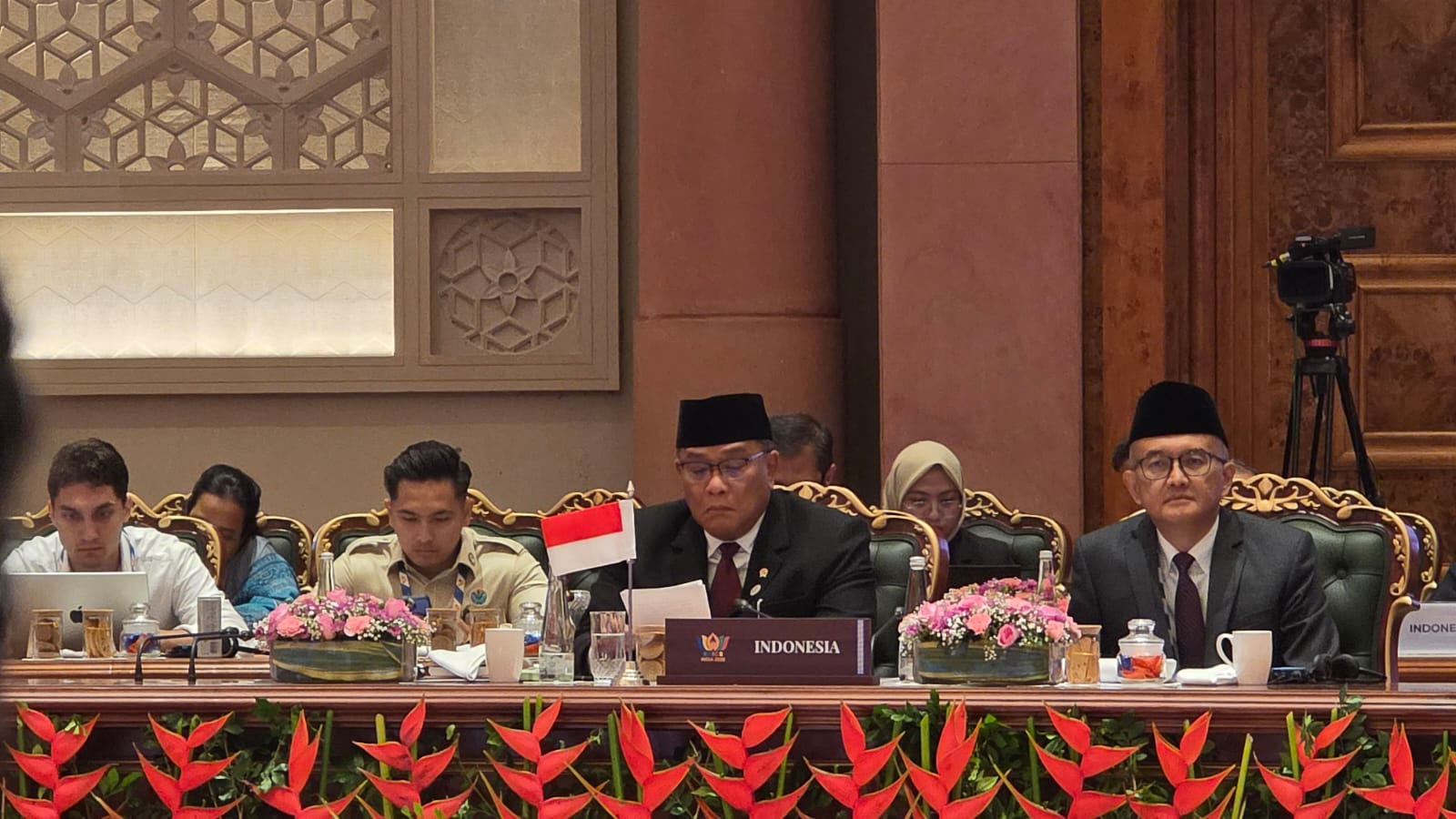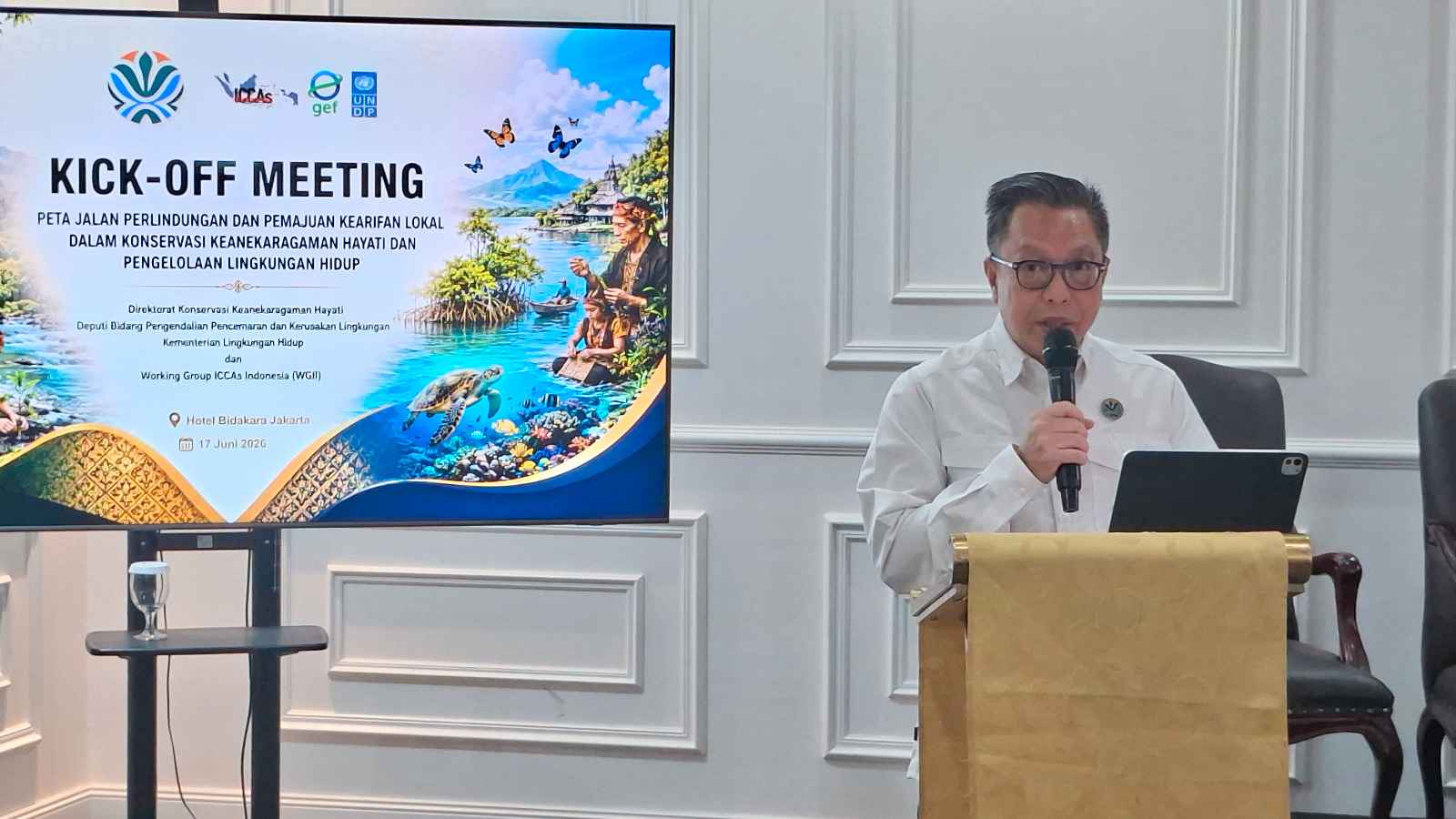
Enviro News Asia, Jakarta – The Ministry of Environment/Environmental Control Agency (KLH/BPLH), together with the Working Group on Indigenous and Community Conserved Areas (ICCAs) Indonesia (WGII), has begun drafting a Roadmap for the Protection and Advancement of Local Wisdom in Biodiversity Conservation, aimed at strengthening recognition and protection of the traditional knowledge and customary practices held by indigenous peoples and local communities. The roadmap forms part of the implementation of the Indonesian Biodiversity Strategy and Action Plan (IBSAP) 2025–2045, specifically Target 17, as well as the Work Programme on Article 8(j) of the Convention on Biological Diversity (CBD).
KLH/BPLH Deputy for Pollution and Environmental Damage Control, Rasio Ridho Sani, said that as a mega-biodiverse nation, Indonesia faces mounting pressures on its biodiversity, making the active involvement of indigenous peoples and local communities, who have long served as guardians of ecosystems across the country, essential.
“Biodiversity is a vital natural asset for ecosystem sustainability and community welfare. That’s why indigenous peoples and local communities need support, recognition, protection, and a fair share of benefits for their contributions to safeguarding biodiversity,” Rasio said.
He added that various initiatives already carried out by the government and non-governmental organizations need to be reinforced through a shared framework capable of synergizing cross-sectoral programs, including efforts to strengthen regulations protecting local wisdom in natural resource and environmental management.
Echoing this, WGII Executive Coordinator Cindy Julianty stressed the importance of ensuring the roadmap drafting process remains participatory and inclusive of all stakeholders.
“This roadmap must become a space for collaboration between government, indigenous communities, academics, civil society organizations, and development partners. We hope this document will not only serve as a policy guide but also drive real action to strengthen the protection of rights, traditional knowledge, and local wisdom practices in Indonesia. It is also part of Indonesia’s commitment to following up on the COP16 decision in Colombia regarding the operationalization of the Work Programme on Article 8(j) of the Convention on Biological Diversity,” Cindy said.
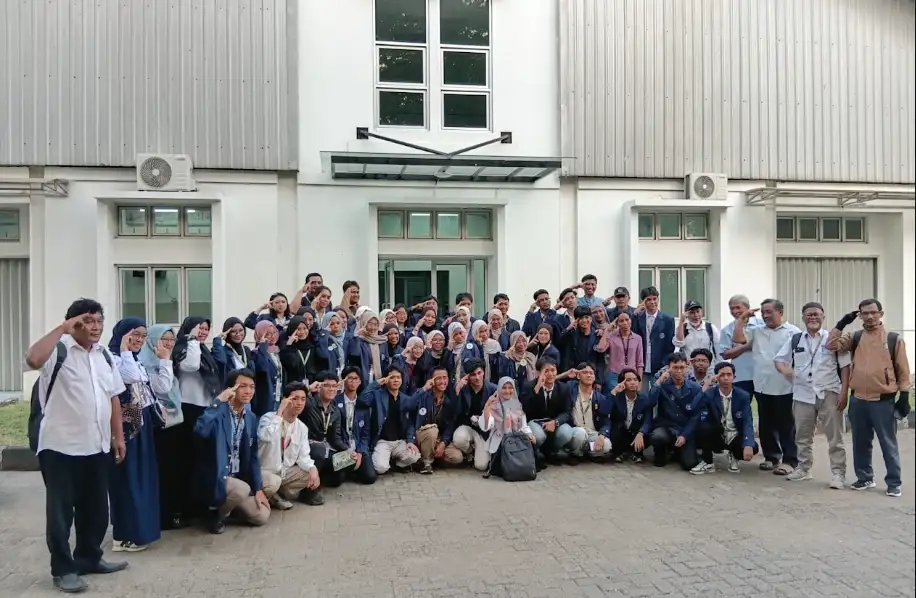
The forum also marked the formal start of the roadmap’s development through the formation of a drafting team and strengthened cross-sectoral collaboration to support inclusive, rights-based biodiversity conservation. A policy paper on strengthening regulations for the protection and advancement of local wisdom was also submitted during the event as input for the drafting process.
During a policy transformation session, Gadjah Mada University academic Yance Arizona highlighted the importance of simplifying the recognition mechanisms for indigenous peoples and local wisdom to make them easier to implement at the regional level.
“Documentation of local wisdom by regional governments together with communities can serve as a strong foundation for accelerating the recognition and protection of local wisdom through more effective policies,” Yance said.
Meanwhile, WGII Policy Advocacy and Campaign Manager Muhammad Ihsan Maulana explained that conservation practices rooted in local wisdom existed long before modern conservation approaches emerged and have proven to contribute significantly to biodiversity protection.
“More than 192 indigenous peoples and local communities have documented their conservation practices, covering an area of around one million hectares. This contribution needs stronger recognition in policy so that national conservation targets can be achieved fairly and inclusively,” Ihsan explained.
He added that WGII’s analysis shows Indonesia has the potential for more than 29 million hectares of community-managed conservation areas (ICCAs), much of it located within landscapes that remain relatively well-preserved and hold significant value for biodiversity.
Through this roadmap, KLH/BPLH hopes the protection and advancement of local wisdom can become further integrated into national conservation policy, a step expected not only to strengthen biodiversity preservation efforts but also to ensure respect for the rights, knowledge, and practices of indigenous peoples and local communities as a vital part of sustainable environmental development. (*)