

Enviro News Asia, Lima – Indonesia has reaffirmed its commitment to protecting and restoring peatland ecosystems, positioning the world’s largest tropical peatlands at the heart of global efforts to combat climate change, conserve biodiversity, strengthen water security, and promote sustainable development.
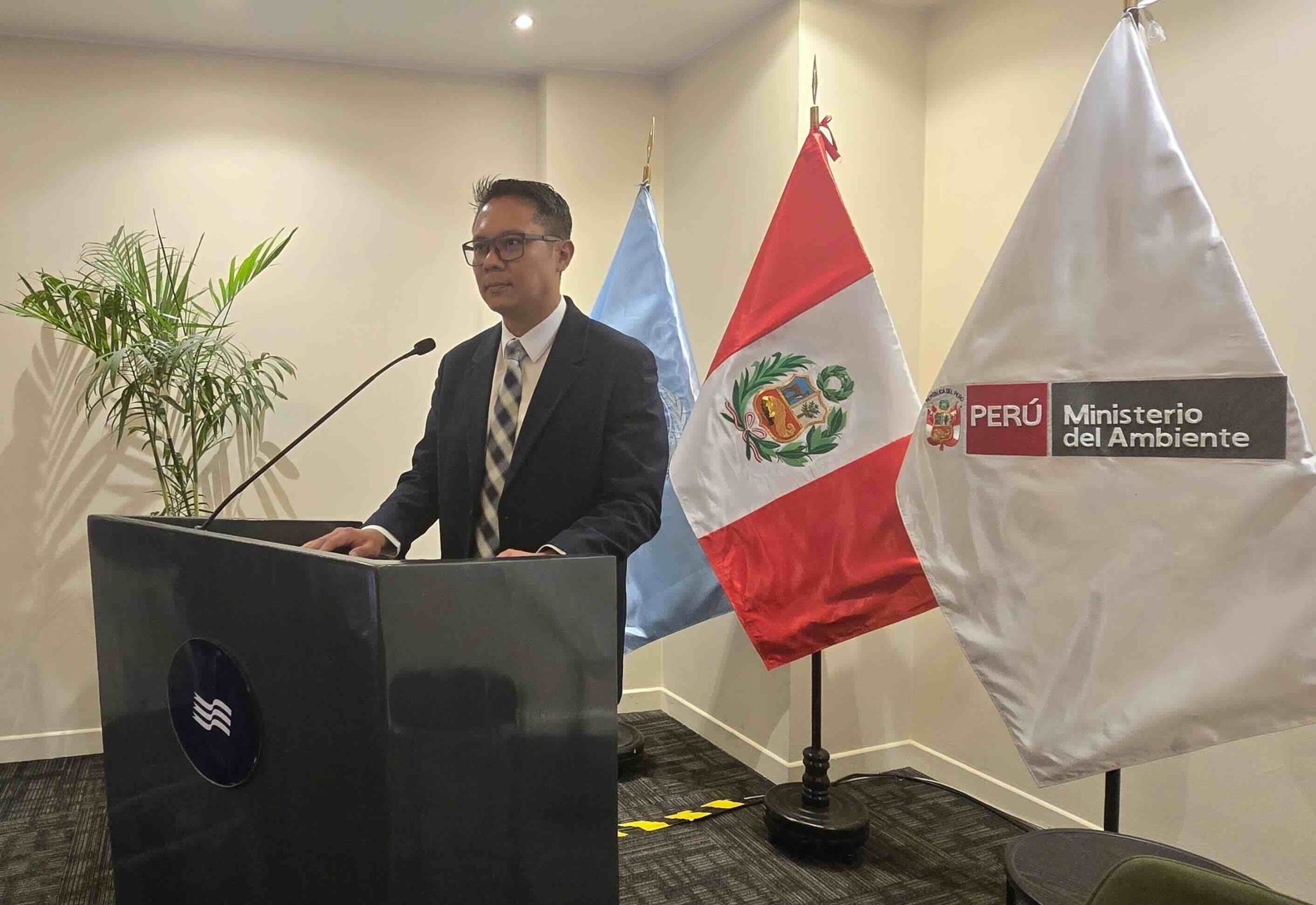
The commitment was delivered by Ristianto Pribadi, Director of Public Relations and International Cooperation at Indonesia’s Ministry of Forestry, during the opening day of the Fourth Technical Meeting of the Partners of the Global Peatlands Initiative (GPI) in Lima, Peru, on Tuesday.
“Indonesia is home to the world’s largest tropical peatland ecosystem. Our peat hydrological areas cover approximately 24 million hectares, with around 70 percent located within state forest areas,” Ristianto said.
According to the Ministry of Forestry, Indonesia’s peatlands store an estimated 89 gigatons of carbon, making them one of the world’s most important natural carbon sinks. These ecosystems play a crucial role in reducing greenhouse gas emissions, regulating water systems, preserving biodiversity, and supporting the livelihoods of millions of people.
Ristianto stressed that peatland restoration is no longer simply about rehabilitating degraded land. Instead, it represents a long-term investment in climate resilience, biodiversity conservation, water security, and sustainable economic growth.
Indonesia has established a comprehensive framework for peatland management, covering inventory, protection, sustainable use, restoration, monitoring, and law enforcement. A key legal foundation is Government Regulation No. 57/2016 on the Protection and Management of Peatland Ecosystems.
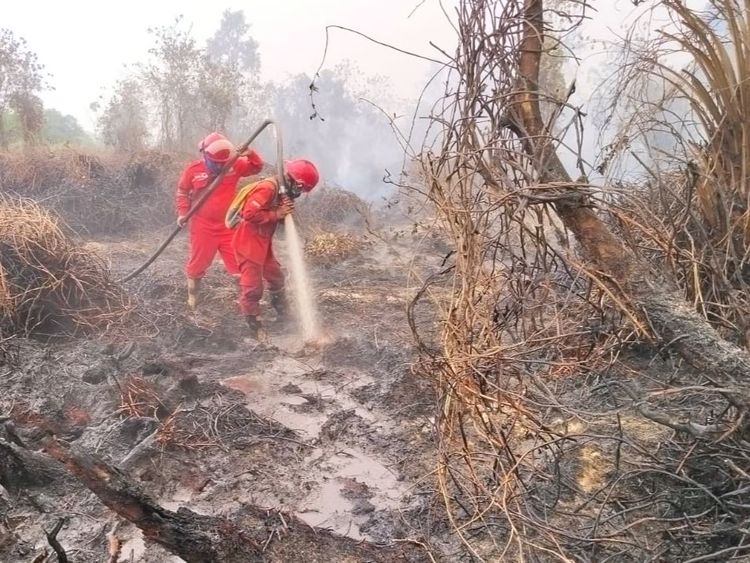
Following the devastating forest and land fires in 2015, the government strengthened its peatland policies by protecting peat domes, expanding groundwater monitoring, restoring degraded ecosystems, and integrating peatland conservation with social forestry programs that improve community livelihoods.
“Community participation lies at the heart of peatland management in Indonesia,” Ristianto said. “Through our social forestry program, more than 608,000 hectares of peatlands are now being managed sustainably by local and customary communities.”
Indonesia has also implemented a range of concrete measures, including a moratorium on new permits affecting primary forests and peatlands, hydrological restoration, revegetation, wildfire prevention, and stronger collaboration with local communities and concession holders.
First introduced in 2011 and made permanent in 2019, the moratorium provides long-term protection for approximately 66 million hectares of primary forests and peatlands. By 2025, around 4.9 million hectares of peatlands were included in Indonesia’s indicative moratorium map.
Peatland restoration efforts have also delivered significant progress. By December 2023, restoration activities within concession areas had covered approximately 3.93 million hectares, supported by more than 10,800 groundwater monitoring stations operating through the SiMATAG monitoring system.
Indonesia applies the internationally recognized 3R approach to peatland restoration: rewetting degraded peatlands, revegetation using native peatland species, and revitalization of local livelihoods to ensure communities benefit from sustainable land management.
During the meeting, Indonesia called on partner countries to strengthen international cooperation through the Global Peatlands Initiative by sharing knowledge, enhancing technical capacity, expanding access to sustainable financing, and accelerating climate action.
“Indonesia welcomes stronger collaboration through the Global Peatlands Initiative. Through this partnership, countries can learn from one another, strengthen capacities, mobilize sustainable financing, and accelerate the achievement of global climate targets. Indonesia also invites GPI members to become part of the International Tropical Peatland Center,” Ristianto said.
Indonesia’s participation in the GPI meeting underscores the country’s commitment to making peatland conservation a central pillar of its national forestry policy while contributing to global climate goals. As international cooperation continues to grow, Indonesia hopes the world’s peatlands will remain protected for the benefit of the environment, local communities, and future generations. (*)