Enviro News Asia, Beijing — Chinese authorities have intensified flood control and disaster relief operations as Typhoon Bavi continued to move inland after making two landfalls in east China’s Zhejiang Province.
Typhoon Bavi, the ninth typhoon of 2026, first made landfall in Yuhuan City at around 11:20 p.m. on Saturday before striking Yueqing City shortly after midnight. The storm is expected to continue moving northwest while gradually weakening.
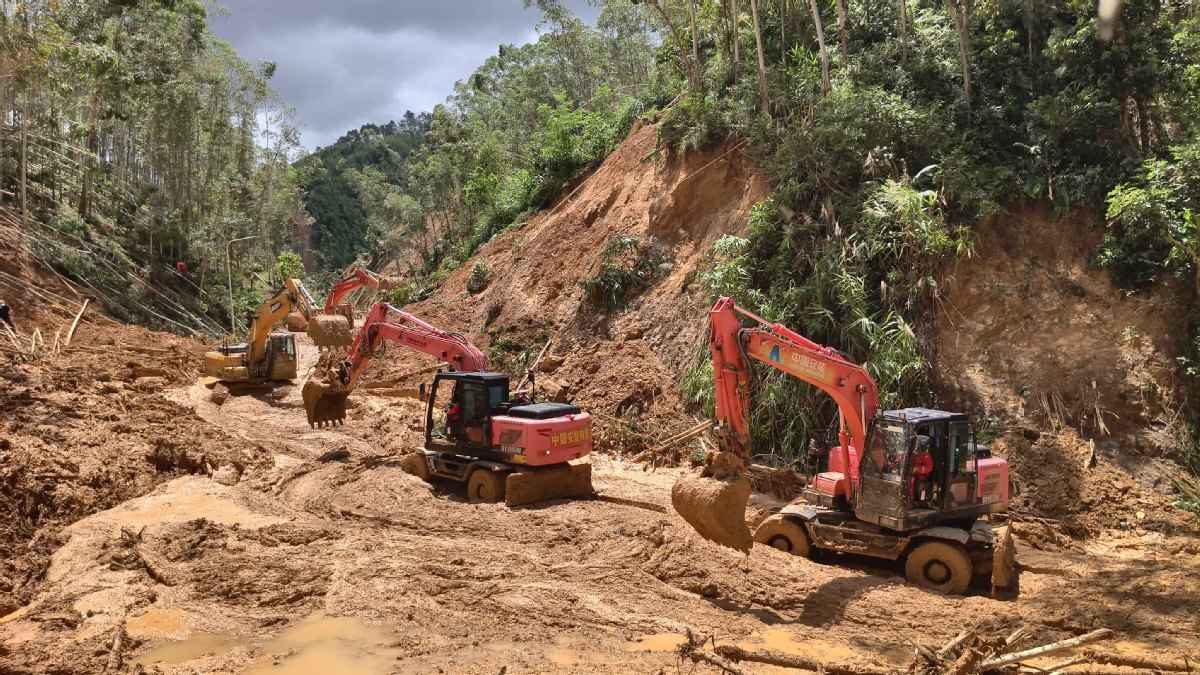
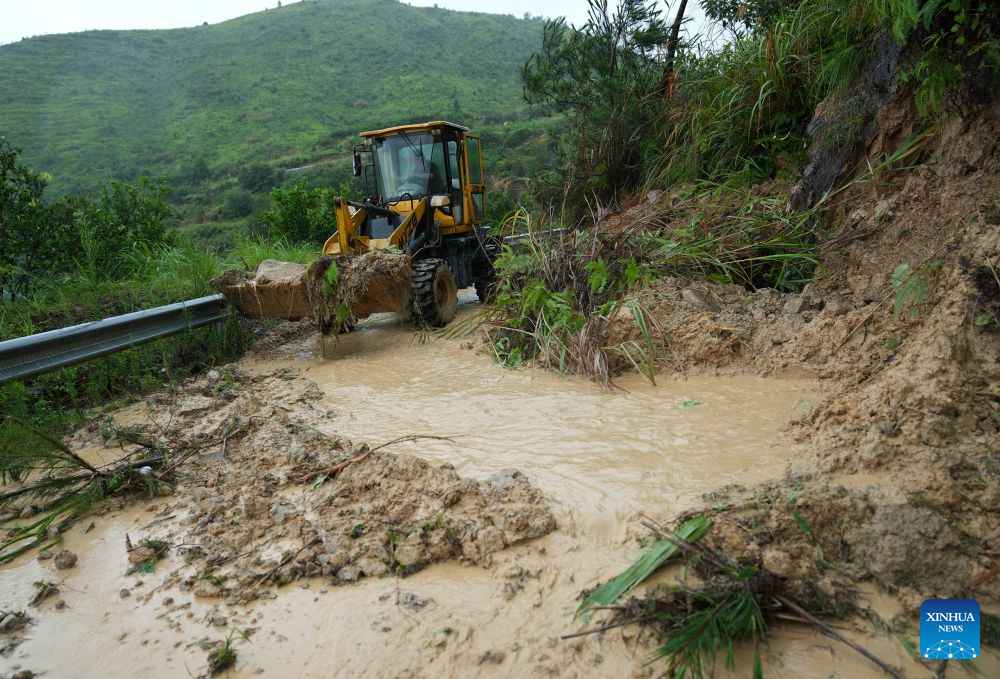
According to Chinese authorities, more than 42 percent of Zhejiang Province recorded rainfall exceeding 50 millimeters over the previous 24 hours. Officials described Bavi as the strongest typhoon to hit Zhejiang in July since 1949, warning that its size and intensity have significantly increased the risks of flash floods, landslides, and urban flooding.
Ahead of the storm’s arrival, Zhejiang relocated approximately 2.68 million residents and opened more than 19,000 emergency shelters. Authorities also suspended classes, halted operations at 830 construction sites, and closed more than 400 tourist attractions and over 200 high-risk amusement facilities to protect public safety.
The National Development and Reform Commission allocated 100 million yuan (around US$14.71 million) to Zhejiang for emergency repairs to roads, schools, hospitals, water conservancy projects, and other public infrastructure. Another 100 million yuan was provided to Guangxi Zhuang Autonomous Region following severe flooding caused by Typhoon Maysak.
Heavy to torrential rainfall is forecast to continue through Tuesday across Zhejiang, Anhui, Jiangxi, and parts of Liaoning and Jilin provinces. Nearly 14,000 residents have already been evacuated in Huangshan City, Anhui Province, as torrential rain affected the area.
Authorities in northeast China’s Liaoning Province announced the suspension of classes, outdoor activities, and construction work, while scenic areas and public markets near rivers and mountains were temporarily closed.
The Beijing-Tianjin-Hebei region has activated a coordinated geological disaster prevention mechanism to improve real-time information sharing and emergency response.
China’s National Commission for Disaster Reduction has maintained a national Level IV emergency response, while the Ministry of Water Resources upgraded its flood alert to yellow, the country’s third-highest flood warning level.
Meanwhile, the Ministry of Emergency Management, together with other central government agencies, dispatched 70,000 disaster relief items, including folding beds, blankets, summer quilts, and family emergency kits, to Zhejiang, Tianjin, and Anhui to support evacuation and temporary resettlement efforts. (*)