Enviro News Asia, Banjarbaru – Indonesia’s Ministry of Forestry has strengthened forestry human resource development by organizing the Forest Management Technical Personnel (GANISPH) Training Program on Non-Timber Forest Products (NTFPs) for the resin commodity group, reinforcing sustainable forest management and community-based economic development.
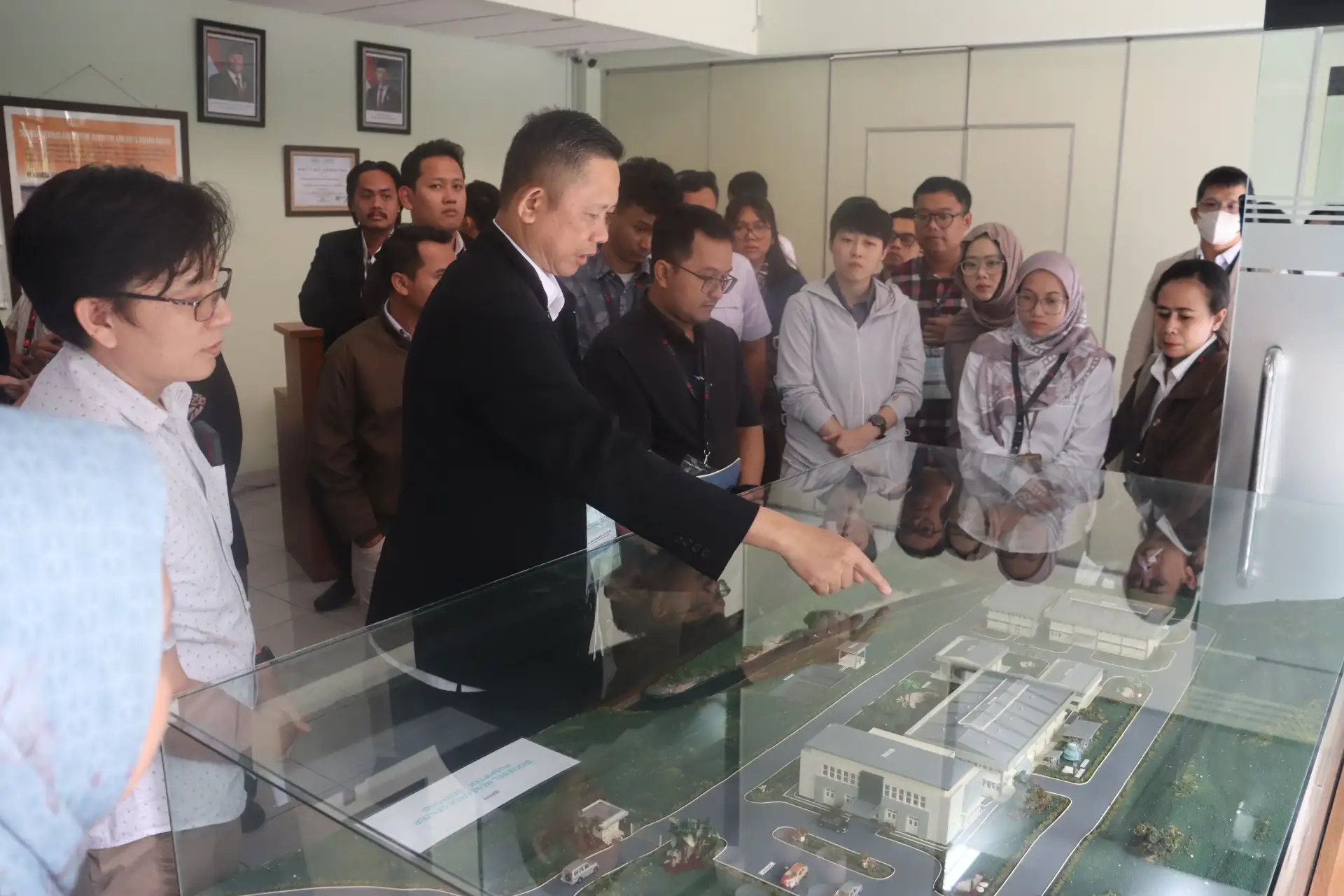
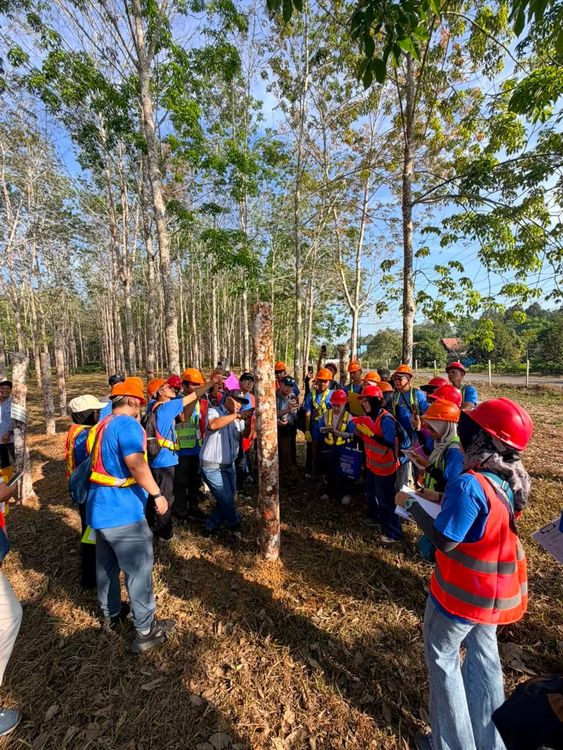
Held from July 23–31, 2026, in Banjarbaru, the training was organized by the Forest Management Agency (BPHL) Region XI Banjarbaru in collaboration with the Forestry Human Resource Development Center (BP2SDM) Region V Samarinda. The program brought together 30 participants, including civil servants from Forest Management Units (KPH) and Social Forestry facilitators across South Kalimantan.
The training aimed to enhance participants’ technical competencies in the sustainable, professional, and regulation-compliant management and utilization of non-timber forest products.
The program was officially inaugurated by Krisdianto, Director of Forest Product Royalties and Administration under the Directorate General of Sustainable Forest Management. He emphasized that strengthening the capacity of forestry professionals is essential for improving the governance of non-timber forest product utilization.
He encouraged participants to maximize the training as an opportunity to enhance their expertise in supporting sustainable forest management, optimizing Non-Tax State Revenue (PNBP), and empowering local communities through Indonesia’s Social Forestry program.
Head of BPHL Region XI Banjarbaru, Wahyu Nurhidayat, highlighted the strategic role of GANISPH-certified personnel in promoting sustainable forest management through improved technical competence.
He noted that investing in forestry human resources is critical to developing skilled, professional, and ethical technical personnel capable of protecting forest resources, ensuring regulatory compliance, and generating sustainable economic benefits for forest communities through responsible utilization of non-timber forest products.
Participants who successfully completed the training are required to undergo competency certification administered by an accredited Professional Certification Body (LSP) to ensure national competency standards.
The program concluded with remarks from Tuti Herawati, Head of the Ministry’s Human Resource Education and Training Center, who stressed that sustainable forestry development depends on competent, adaptive, and high-integrity professionals.
She stated that effective forest management is determined not only by sound policies but also by the quality of the people implementing them. The Ministry expects the graduates to become professional technical personnel capable of assisting forest communities and serving as agents of change in advancing sustainable forestry and improving community welfare.
Tuti also expressed appreciation to BPHL Region XI Banjarbaru, BP2SDM Region V Samarinda, local government institutions, instructors, resource persons, and all participants for their commitment to the successful implementation of the training.
The initiative aligns with Minister of Forestry Raja Juli Antoni’s vision of modern forestry transformation, which places inclusive human resource development at the center of sustainable forest management. The Minister has consistently emphasized that Ministry personnel, field facilitators, and forest-dependent communities are not merely policy beneficiaries but key actors in conserving forests while driving local economic development through Social Forestry and sustainable utilization of non-timber forest products. (*)1