Enviro News Asia, Jakarta — Community empowerment should become a central component of Indonesia’s efforts to prevent and control forest and land fires, particularly following the issuance of Presidential Instruction (Inpres) No. 11 of 2026, according to the Indonesian Forest Concessionaires Association (APHI) Jambi Chapter.
The instruction strengthens the enforcement of the prohibition on land clearing by burning and provides a more coordinated framework for forest and land fire prevention and control.
APHI Jambi Chapter Chairman Taufik Qurochman said enforcement must be accompanied by stronger community capacity, access to non-burning land-clearing alternatives, and village-level institutions capable of preventing and responding to fires.
“Fire prevention will be more effective when communities are positioned as a key part of the solution. They need knowledge, capacity, equipment, and economic options that allow them to manage land without burning,” Taufik said.
He said prevention efforts should not rely solely on firefighting and law enforcement. Community-based initiatives such as Desa Makmur Peduli Alam (DMPA), Desa Bebas Api, and similar programs developed by businesses, government agencies and local communities should be strengthened according to local conditions.
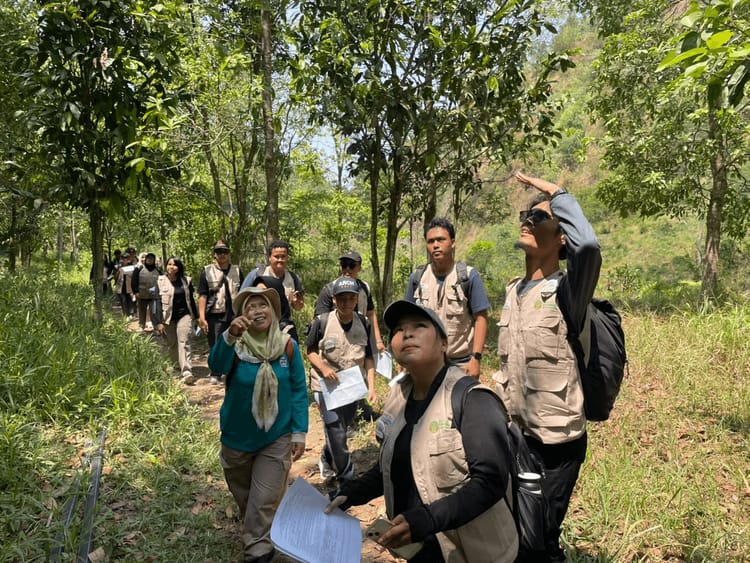
Such programs can improve public awareness of fire risks, promote land management without fire, strengthen community fire-prevention groups, and involve residents in patrols, early detection, reporting and initial fire response.
Taufik also welcomed Inpres No. 11 of 2026, saying it provides clearer direction for ministries, government agencies and local administrations in preventing and controlling forest and land fires.
The instruction reinforces the prohibition against land clearing through burning and seeks to prevent government policies from being interpreted as legalizing the practice. It also establishes tighter conditions for the application of local wisdom-based exceptions.
According to the APHI Jambi Chapter, the policy direction is particularly important amid heightened fire risks associated with the dry season and El Niño conditions.
“Strengthening the prohibition on land clearing by burning is an important prerequisite to ensure all parties follow the same approach in preventing and controlling forest and land fires,” Taufik said.
APHI and its members, he added, support the implementation of the presidential instruction and will continue coordinating with central and local governments.
Strengthening PBPH Collaboration
Taufik also praised holders of Forest Utilization Business Licenses (PBPH) that have implemented standard operating procedures for fire prevention and control in their respective concession areas.
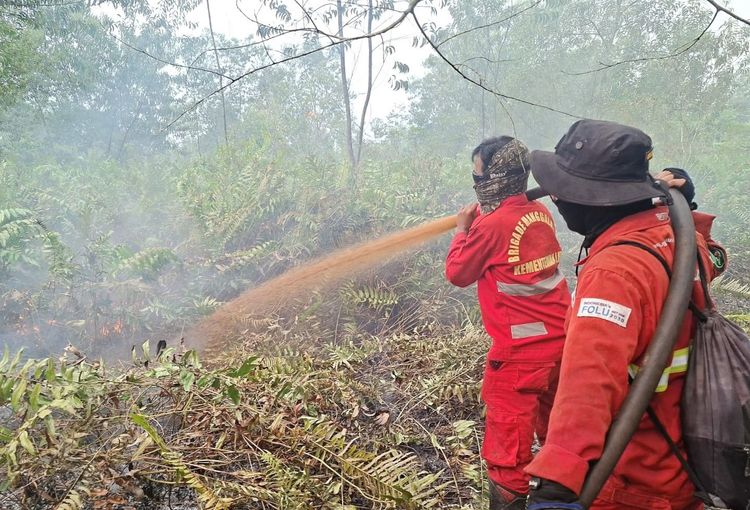
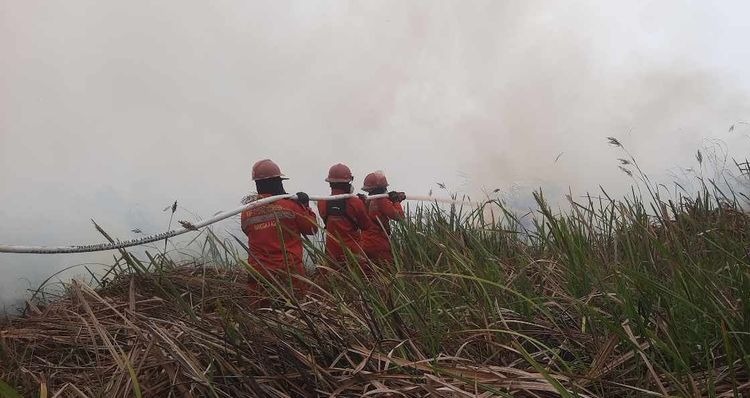
He said PBPH companies’ responsibilities should extend beyond protecting their own operational areas. In various situations, APHI members have worked with the National Disaster Management Agency (BNPB), Indonesian Military (TNI), National Police (Polri), Manggala Agni, local governments and other stakeholders to conduct patrols, early detection and firefighting.
“PBPH efforts are not limited to their own operational areas. In various situations, APHI members also provide personnel, equipment, patrols and firefighting support in surrounding areas to prevent fires from spreading,” he said.
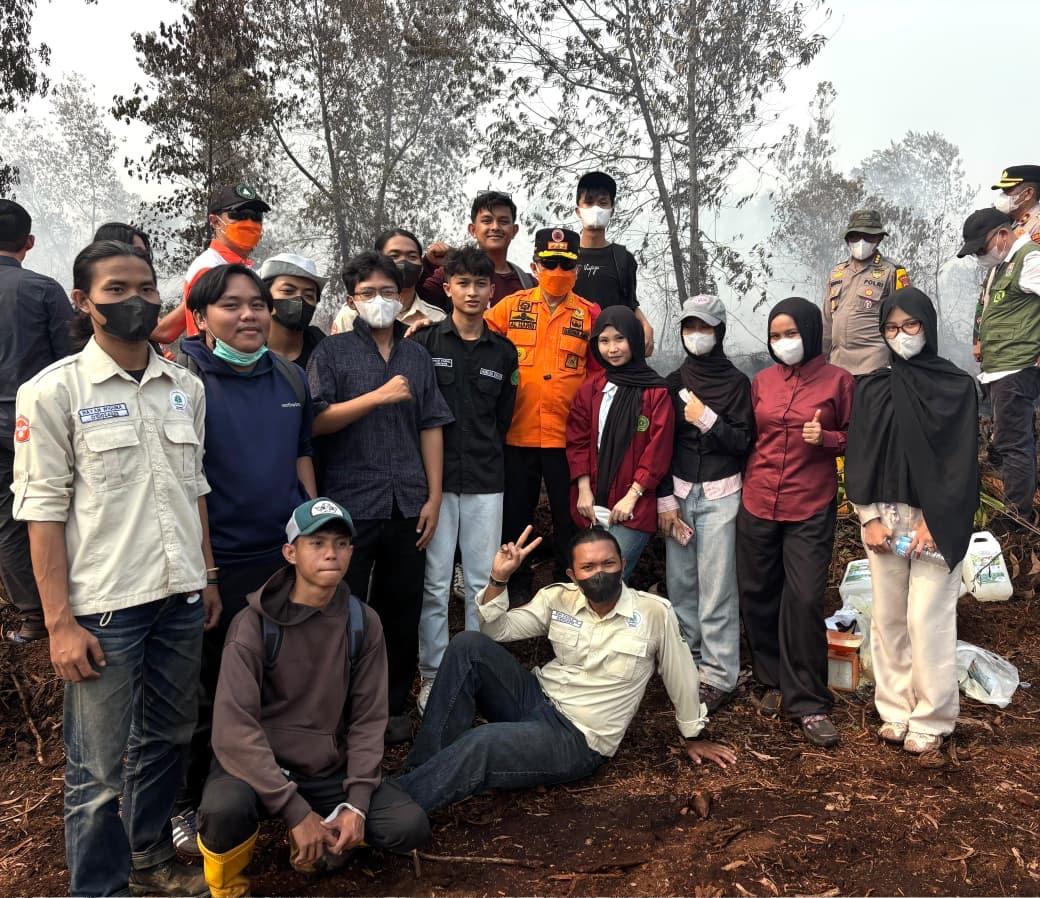
APHI is encouraging stronger multi-stakeholder cooperation based on mutual assistance. Government institutions, security forces, firefighting units, businesses, academics and communities each have complementary roles in strengthening community preparedness, integrated patrols, early detection, rapid response and firefighting.
Taufik emphasized that forest and land fires are cross-regional and cross-sectoral challenges, making resource sharing and coordinated action essential.
He also called for objective and proportional assessments of PBPH compliance and fire-control efforts. Such assessments, he said, should consider field conditions, compliance levels, prevention measures, response actions and applicable regulations.
APHI expects the implementation of Inpres No. 11 of 2026 to go beyond strengthening enforcement. The organization wants the policy to establish a stronger prevention system at the local level by combining community empowerment, multi-stakeholder collaboration and fair law enforcement.
The approach is expected to reduce fire risks while protecting communities, forests and the environment.
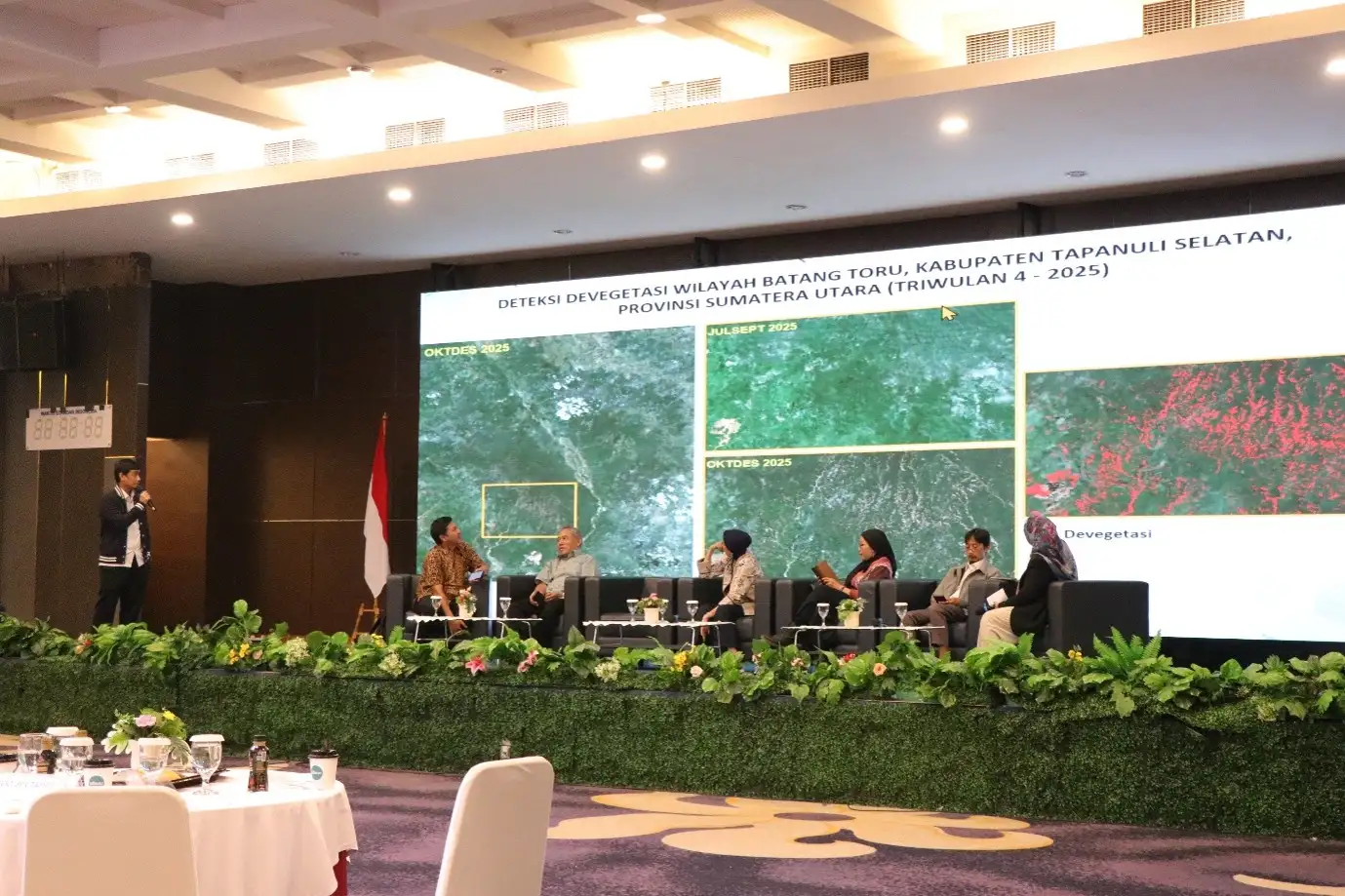
Photo caption: Community participation, early detection and coordinated fire prevention are considered essential to strengthening Indonesia’s forest and land fire control efforts.
SEO keywords: forest fires Indonesia, land fires Indonesia, karhutla, APHI Jambi, Inpres 11 2026, community empowerment, fire prevention, PBPH, forest fire prevention, El Niño Indonesia. (*)