Enviro News Asia, Jakarta — A waste-to-energy concept that combines plasma technology with graphene oxide production has won the Grand Prize at Energy Week 2026, highlighting new approaches to turning mixed waste into energy and higher-value materials.
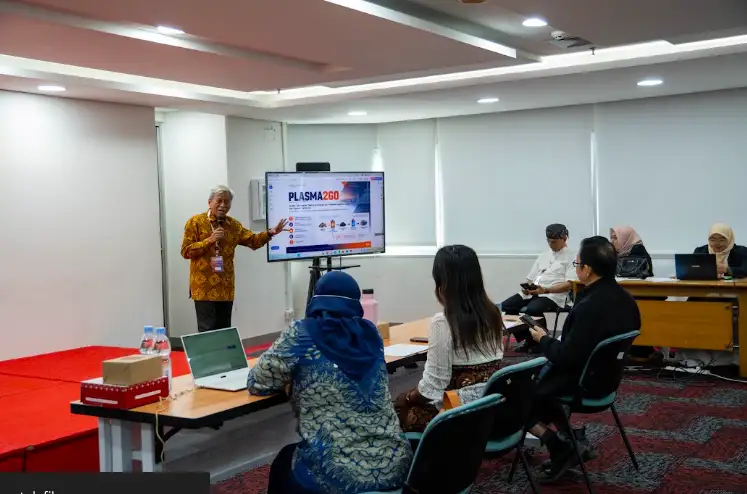
The concept, known as PLASMA2GO, was developed by Totok Sediyantoro and Pudji Untoro from BRIN’s LKN ASTA CITA. It combines an integrated waste-to-energy system with graphene oxide production and received the Grand Prize of Rp25 million after being selected and presented before the judging panel on September 22, 2026.
PLASMA2GO uses oxygen-free plasma pyrolysis, plasma graphitization and liquid plasma exfoliation to process mixed waste. The concept is designed not only to recover energy from waste but also to produce materials with additional technological and economic value.
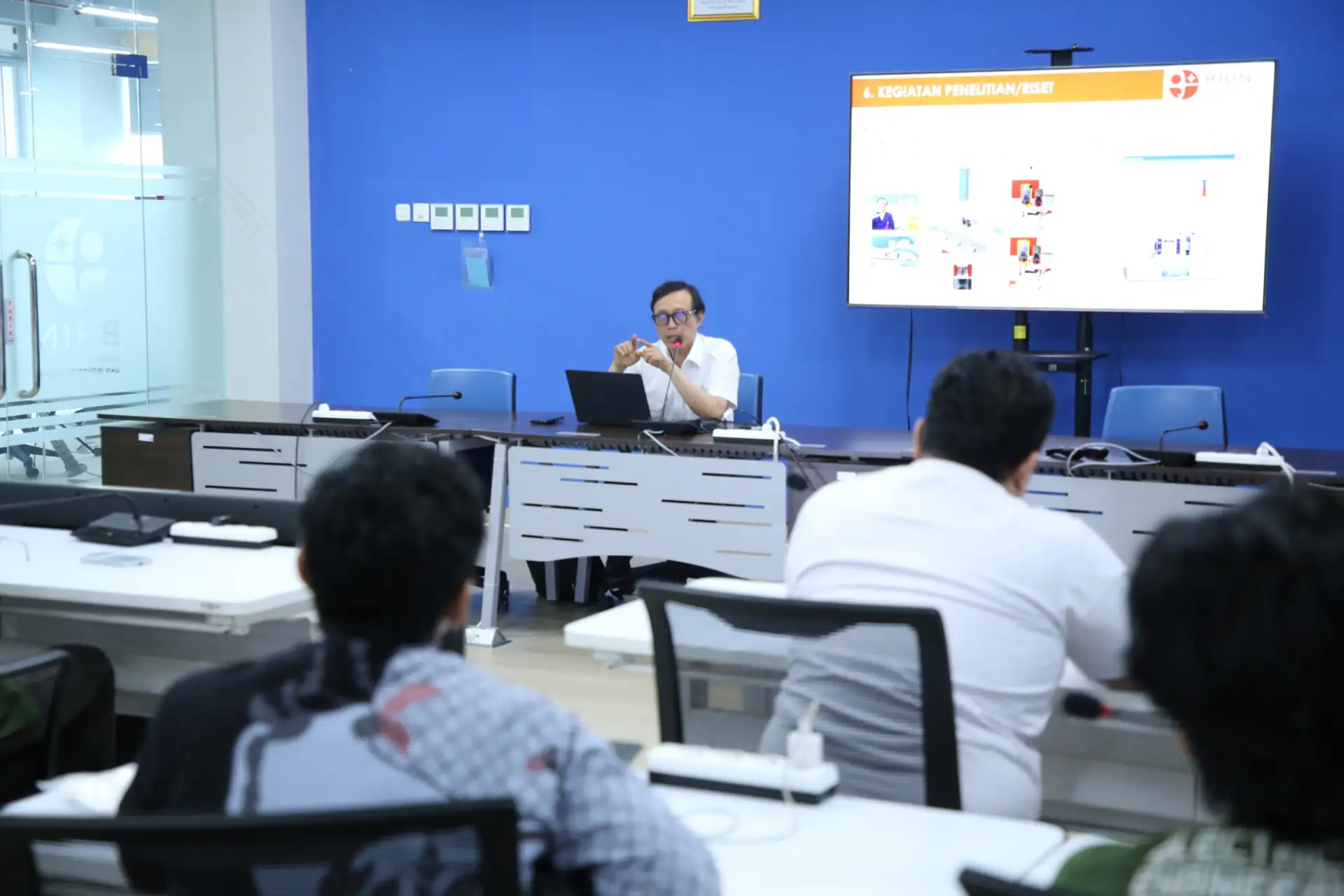
BRIN researcher Euis Djubaedah said the Waste to Energy Conversion competition was designed to involve professionals, researchers and industry partners. The competition also provided a platform for research communities and industry to exchange ideas on converting waste into useful resources.
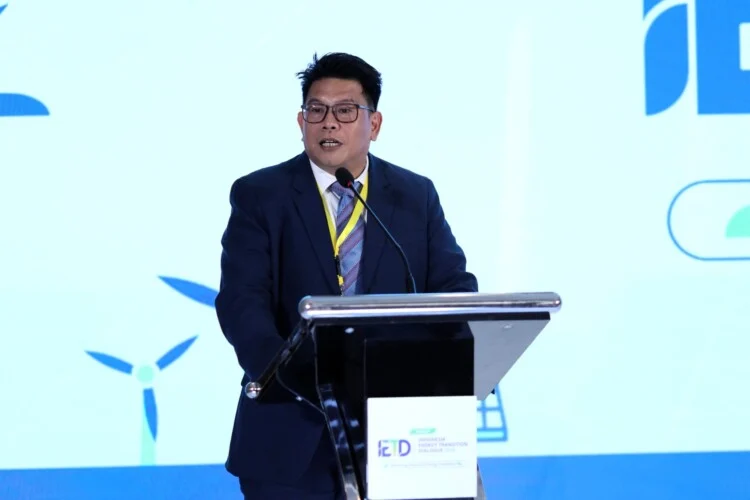
“The Grand Prize for the Waste to Energy Conversion competition is Rp25 million in prize money,” Euis said at the B.J. Habibie Building in Jakarta on September 23.
Other concepts presented during the competition explored different pathways for integrating waste management with energy production.
One concept, IRPOM-100, or Integrated RDF-Plastic Oil-Maggot Plant with a capacity of 100 tons of municipal solid waste per day, combines the production of refuse-derived fuel (RDF), plastic oil and maggot-based waste processing. The approach seeks to diversify the outputs generated from municipal waste while integrating several waste treatment processes into one system.
Another concept, From Mixed Waste to Useful Energy, proposed an integrated waste management system linked to alternative cooking energy. The concept focuses on connecting waste treatment with practical energy needs, particularly through the development of alternative cooking fuel.
The three concepts demonstrate different approaches to converting mixed waste into useful resources. Beyond energy recovery, the competition encouraged participants to develop solutions that can generate technological and economic value from waste.
BRIN’s Energy Week 2026 therefore provided a platform for researchers, professionals and industry stakeholders to explore technologies that could contribute to more integrated waste management and energy systems.
The development of technologies such as plasma-based waste processing also reflects growing efforts to address mixed waste while creating opportunities for material recovery and higher-value products. (*)