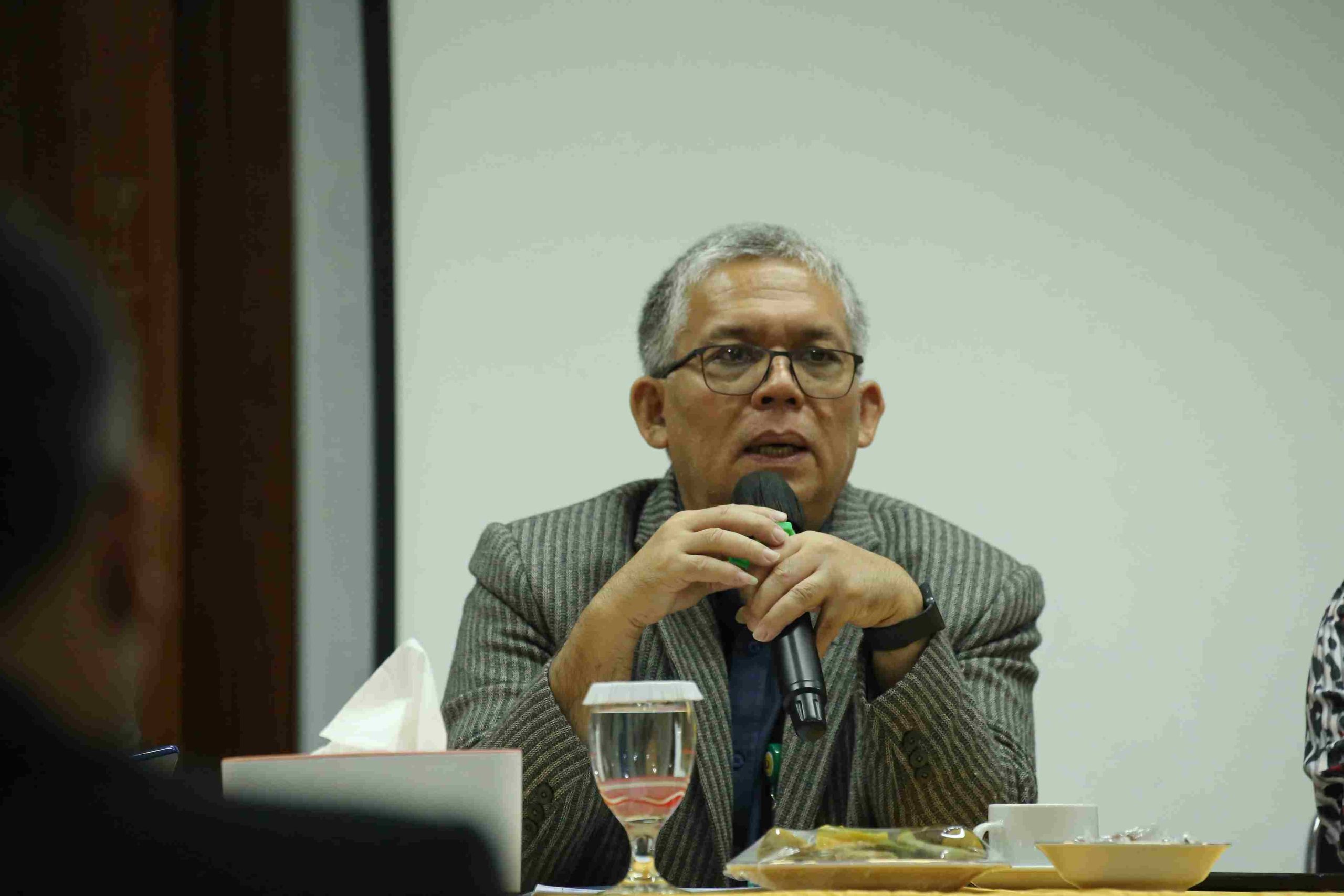
ENVIRO NEWS – Bandung – The National Research and Innovation Agency (BRIN) is pushing for the development of environmentally friendly devices and the establishment of a sustainable research ecosystem. Without an eco-friendly research ecosystem, research outcomes and their resulting products will struggle to compete on a global scale.
“Research activities must not only align with societal needs but also adhere to eco-friendly principles to remain competitive globally,” said Yusuf Nur Wijayanto, Head of the Electronics Research Center, during a BRIN discussion titled “Building a Research Ecosystem in the Field of Electronics: Opportunities and Challenges,” held in Bandung on Friday (29/11).
According to Yusuf, in this era of globalization, electronic technology is rapidly advancing and significantly impacting various aspects of human life. Indonesia, as the fourth most populous country in the world, holds a strategic position and immense potential to become a leading player in this technological development. “The National Research and Innovation Agency plays a crucial role in driving the progress of national electronic research,” Yusuf emphasized.
Through the Electronics Research Center (PRE), BRIN focuses on the research and development of devices and electronic systems applied across various sectors, including transportation, telecommunications, environment, energy, healthcare, and disaster mitigation. From device development to system integration, PRE ensures that research aligns with eco-friendly principles.
One of PRE’s main strengths, according to Yusuf, lies in its highly skilled human resources in science and technology. This is further supported by adequate research infrastructure, such as micro-nano electronics laboratories, device characterization labs, and system testing facilities. Competitive research funding, both internal and external, also plays a vital role in sustaining innovation in electronics.
BRIN’s research has made tangible contributions to everyday life. Technologies such as smart farming, smart buoys, air and water quality monitoring devices, and disaster early warning systems are examples of the practical implementation of electronic technologies developed by BRIN. “To compete in the global market, BRIN is committed to adopting environmentally friendly technologies, both in material selection for research and in production processes,” Yusuf concluded.