

Enviro News Asia, Jakarta — The Government of Indonesia strengthened efforts to restore ecosystems and improve community welfare by introducing innovative financing for national park management on 29 April 2026 in Jakarta. The initiative was led by the Ministry of Forestry through the establishment of a dedicated task force mandated under Presidential Decree No. 8 of 2026.
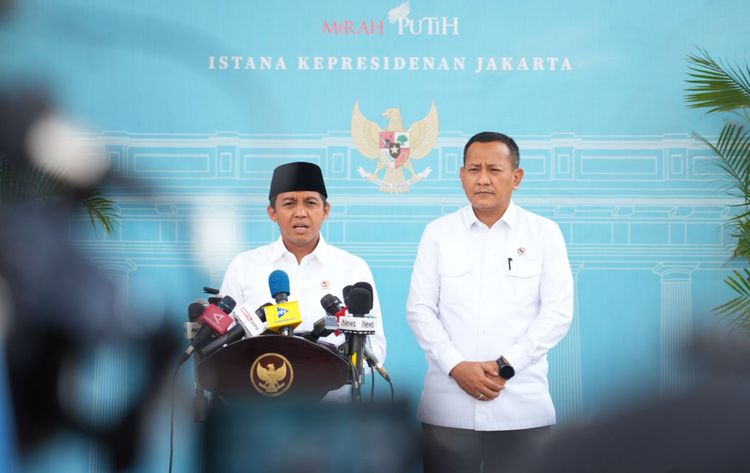
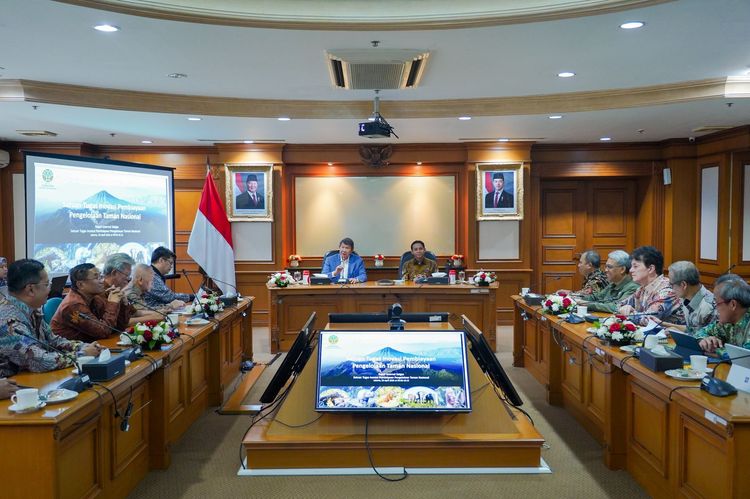
The task force convened a coordination meeting in Jakarta on the same day, chaired by Presidential Special Envoy for Climate Change and Energy Hashim Djojohadikusumo, with Minister of Forestry Raja Juli Antoni serving as Deputy Chair. Presidential Special Envoy for Trade, International Affairs, and Multilateral Cooperation Mari Elka Pangestu joined the meeting virtually. The session also involved discussions with representatives of non-governmental organizations and forestry development partners to gather input on financing mechanisms and the task force’s strategic role.
The government initiated this step as a follow-up to the presidential decree, aiming to strengthen governance across conservation areas. Officials designed the program to promote sustainable and adaptive national park management while ensuring tangible benefits for surrounding communities.
Hashim emphasized that President Prabowo Subianto had instructed the task force to prioritize the protection of natural ecosystems through optimal resource mobilization. He clarified that the financing innovation is not intended for economic exploitation, stressing that ecological preservation must remain the primary objective, with tourism serving only as a supporting element.
Raja Juli Antoni stated that the government will launch pilot projects in 13 national parks as an initial phase. Authorities also selected two key conservation landscapes—Peusangan and Bukit 30—as additional pilot sites due to their importance in protecting iconic species habitats.
The task force will implement a dual-track strategy. It will first establish enabling conditions through regulatory reform, institutional strengthening, and policy design. At the same time, it will mobilize financial resources by engaging strategic partners, promoting community-based management, and developing joint financial instruments. These efforts include exploring carbon trading schemes and blended finance involving philanthropic institutions, private sector investments, and other funding sources.
Support for the initiative has emerged from non-governmental organizations. WWF-Indonesia CEO Aditya Bayunanda expressed confidence that the program could unlock large-scale philanthropic and multilateral public funding to support conservation financing, particularly for protecting habitats of key species.
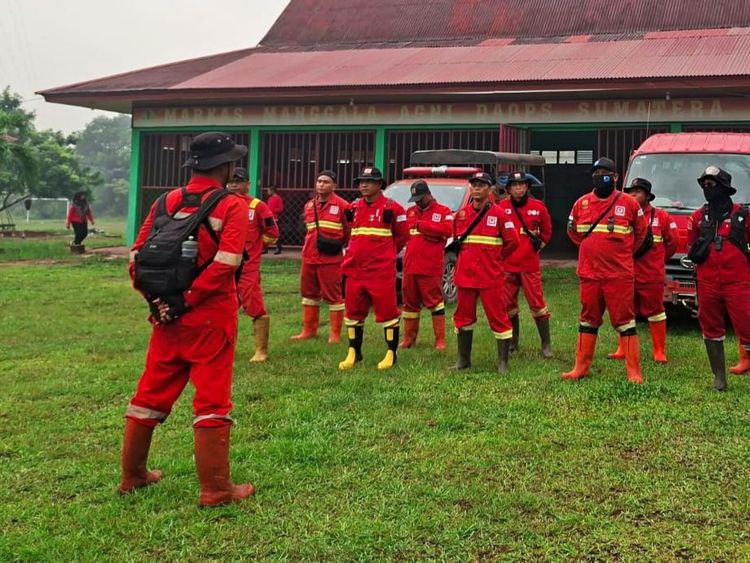
In addition to financing strategies, the government will enhance the capacity of frontline personnel, including forest rangers, ecosystem controllers, and forestry extension officers. Authorities will also expand the use of technology-based monitoring systems to ensure transparency and accountability in conservation area management.
Through collaboration between government institutions, local communities, and development partners, Indonesia aims to position its national parks as sustainable life-support systems with global standards. (*)