Enviro News Asia, Jakarta – The Indonesian Ministry of Forestry, in collaboration with the ASEAN Centre for Biodiversity (ACB), organized the Indonesia National Inception Workshop and National Technical Working Group (NTWG) for the project titled Effectively Managing Networks of Marine Protected Areas in Large Marine Ecosystems in the ASEAN Region (ASEAN ENMAPS) in Jakarta on February 11–13, 2025.
ASEAN ENMAPS is a five-year marine conservation project funded by the Global Environment Facility (GEF) through the United Nations Development Programme (UNDP), with ACB as the implementing partner. In its press release, the Ministry of Forestry stated that the project aims to strengthen the governance of Marine Protected Area (MPA) networks across major Large Marine Ecosystems in the ASEAN region. The program’s initial focus is on three participating ASEAN member states: Indonesia, the Philippines, and Thailand.
In Indonesia, the project is coordinated through the Ministry of Forestry, which serves as the national executing agency. It collaborates with various related directorates, national park authorities, and field officers under the guidance of the national project manager.
This workshop and meeting mark an important step in aligning Indonesia’s marine conservation goals with regional priorities. Additionally, the event lays the groundwork for establishing a robust NTWG framework, validating key conservation indicators, and mapping priority actions to protect Indonesia’s invaluable marine ecosystems.
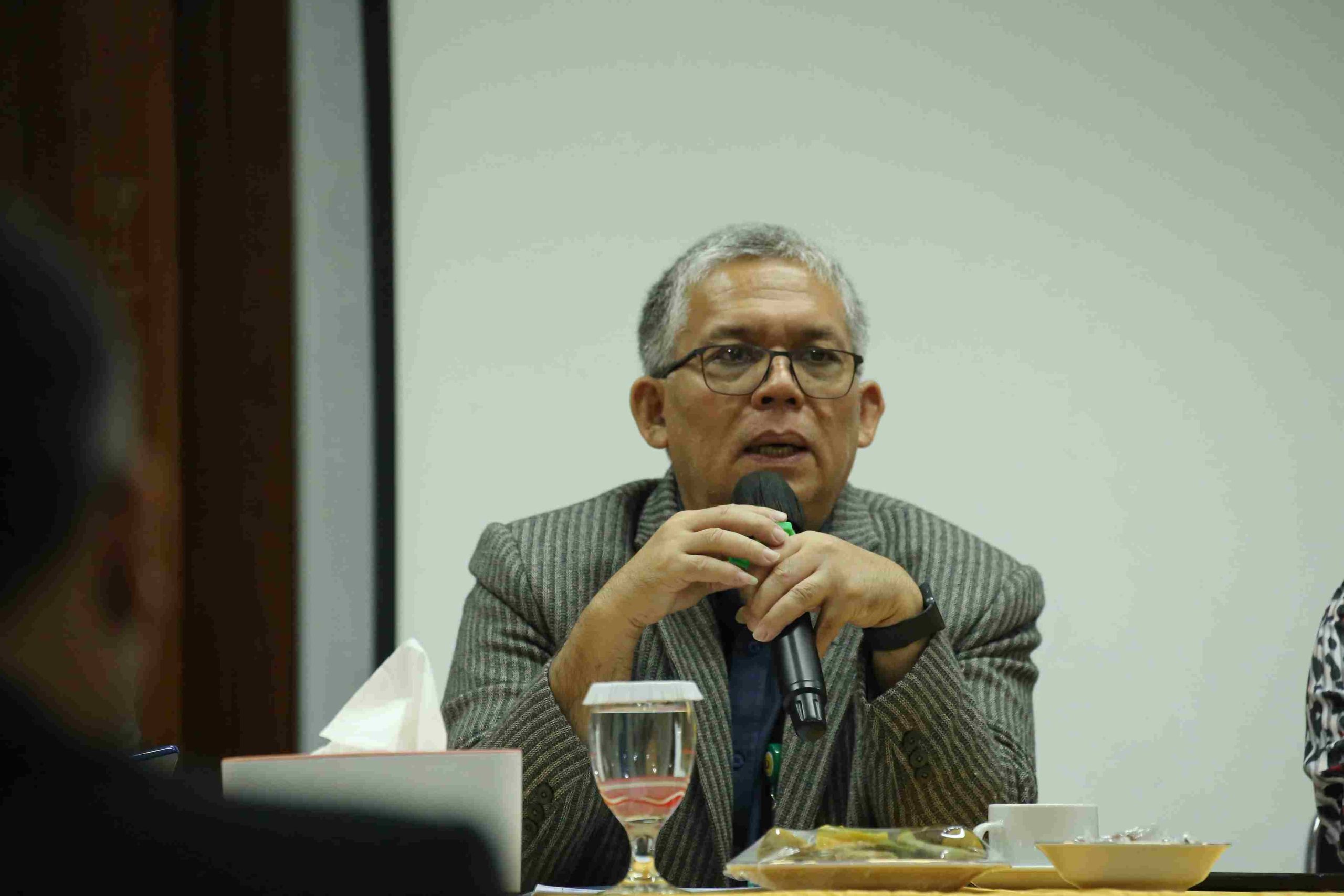
The Director General of Natural Resources and Ecosystem Conservation (KSDAE) at the Ministry of Forestry, Prof. Satyawan Pudyatmoko, emphasized in his speech that this initiative focuses on effectively managing Marine Protected Areas Networks in ASEAN’s Large Marine Ecosystems.
“This initiative holds great significance not only for the region’s biodiversity but also for local stakeholders,” he stated.
He further explained that Southeast Asia’s coastal and marine ecosystems are not only rich in biodiversity but also serve as a vital source of livelihood for millions who depend on them. These ecosystems play a crucial role in health, food security, climate resilience, and the economic growth of ASEAN nations.
“As a key part of the Coral Triangle, Indonesia is proud to host two pilot sites under the ASEAN ENMAPS project: Togean Islands National Park and Wakatobi National Park,” Prof. Satyawan explained.
Clarissa C. Arida, Acting Executive Director of the ASEAN Centre for Biodiversity and Project Director of ASEAN ENMAPS, expressed her appreciation for Indonesia’s commitment to advancing sustainability, biodiversity conservation, and climate resilience. She noted that Indonesia’s dedication aligns with the goals of the ASEAN Biodiversity Plan.
“Indonesia’s active participation in ACB-led programs, such as ASEAN Heritage Parks, reaffirms its commitment to preserving the region’s natural wealth,” Clarissa stated.