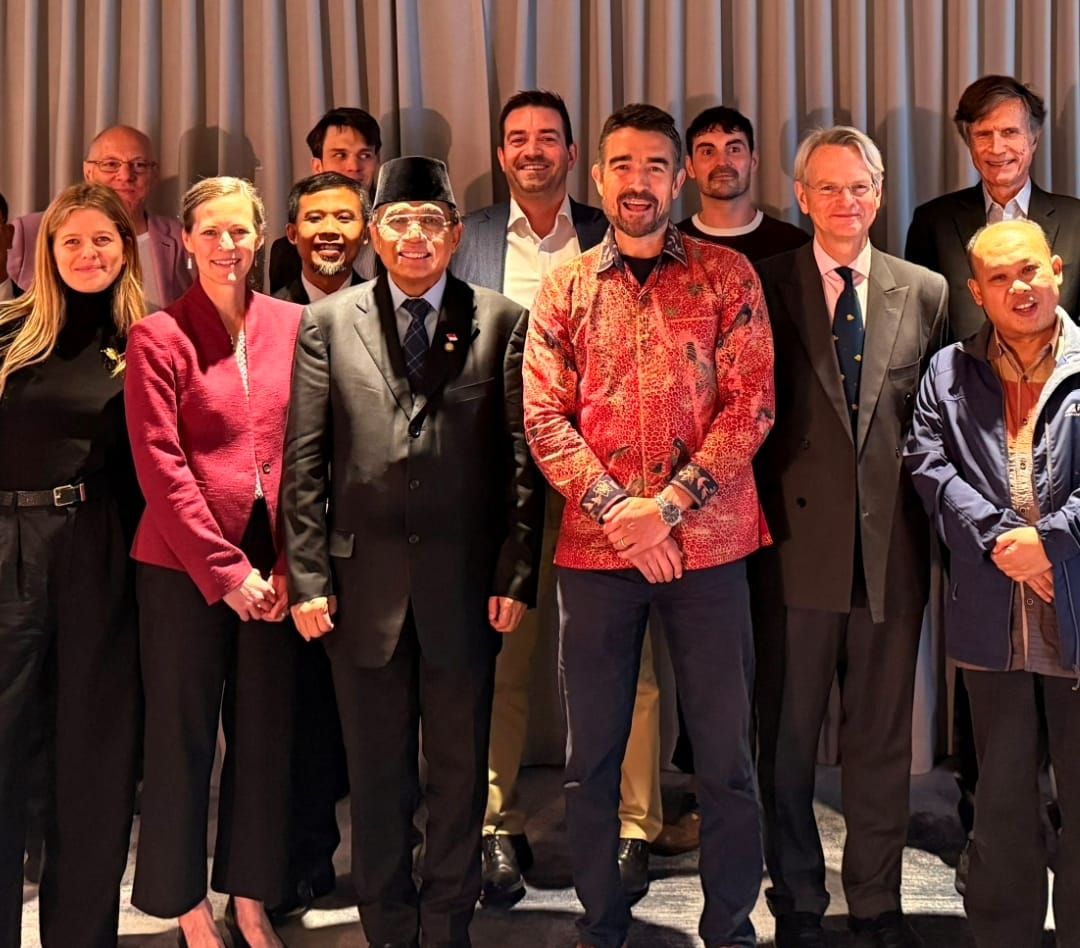
Enviro News Asia, New York — Indonesia is calling for stronger international support to protect its two critically endangered rhinoceros species as conservationists and partners gathered in New York to discuss the future of the Javan and Sumatran rhinos.
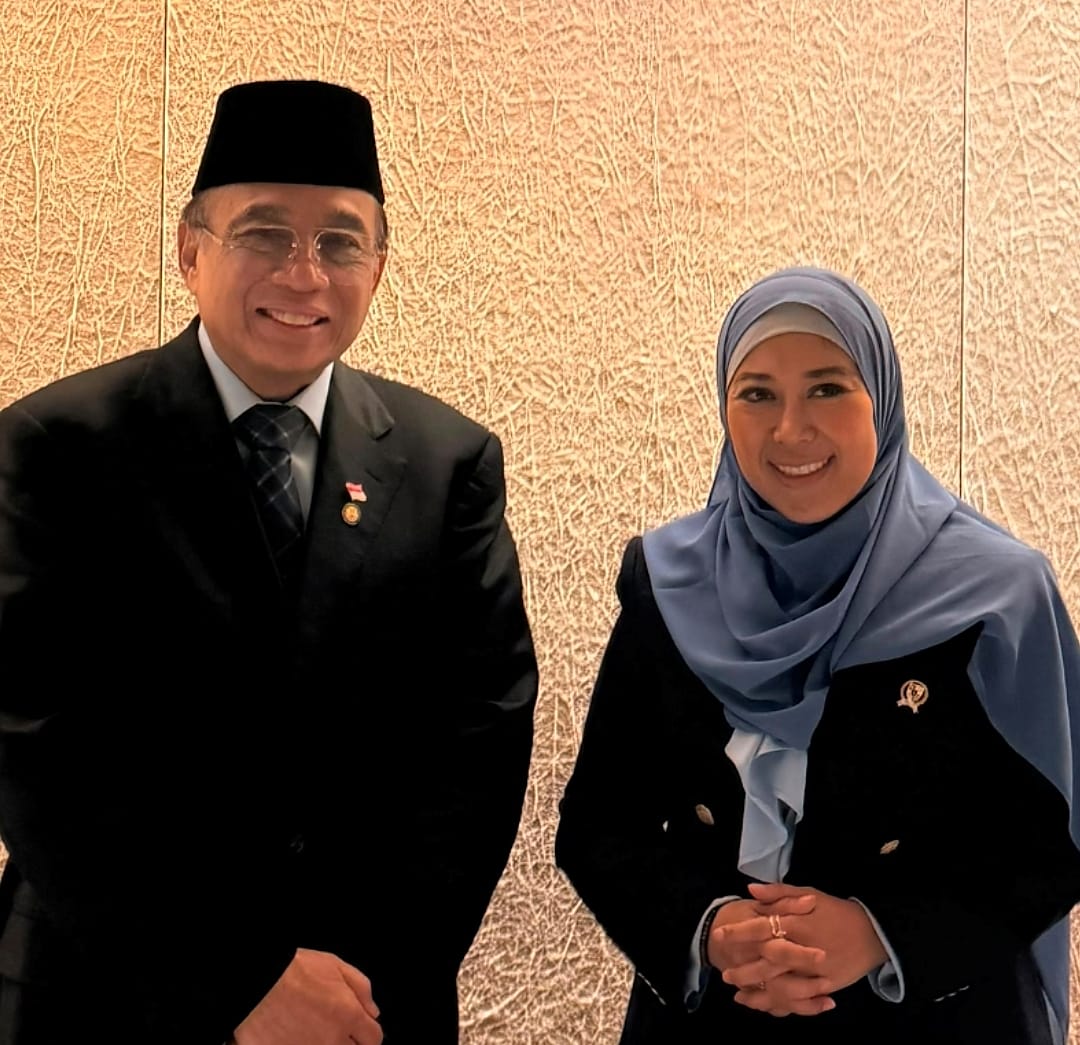
The message was delivered at “A Breakfast for Indonesia’s Rhino” on September 22, 2026, an event organized by Edge Group Conservation and Re:wild. The gathering brought together Indonesian Ambassador to the United States Indroyono Soesilo, Edge Group Conservation CEO Nialli McCann, Re:wild Executive Vice President Penny Langhammer, Space Intelligence CEO Murray Collins, former US Ambassador to Indonesia Robert Blake, Indonesian Forestry Ministry officials, conservationists and other partners.
Indonesia remains the last stronghold for the Javan rhino (Rhinoceros sondaicus) and one of the few remaining countries where the Sumatran rhino (Dicerorhinus sumatrensis) survives.
The Javan rhino is found only in Ujung Kulon National Park in Banten. Its remaining population is estimated at around 50 individuals in the material presented at the event. UNESCO identifies Ujung Kulon as the species’ last viable natural habitat and highlights the park’s global importance for its survival.
Because the entire remaining Javan rhino population is concentrated in one location, conservation efforts depend on strong habitat protection, intensive monitoring, disease prevention, scientific population management and long-term measures to reduce the risks associated with maintaining a single population.
The Sumatran rhino faces a different set of challenges. Its population is estimated at only 34 to 47 individuals, according to the material presented at the New York gathering. The species survives in small, fragmented populations across Sumatra and Kalimantan.
Important habitat areas in Sumatra include the Leuser landscape in Aceh, Way Kambas National Park in Lampung and Bukit Barisan Selatan National Park. In Kalimantan, a small population remains in East Kalimantan.
The fragmented nature of these populations makes it difficult for rhinos to find mates and reproduce. Conservation efforts therefore need to protect remaining forests while also supporting breeding, securing suitable habitat and strengthening coordinated rescue and managed breeding programs.
Both species are classified as critically endangered, making their protection a conservation priority extending beyond Indonesia. Ujung Kulon National Park is a UNESCO World Heritage Site, while the Tropical Rainforest Heritage of Sumatra includes three national parks that provide important habitat for endangered species, including the Sumatran rhino.
The international importance of protecting these landscapes was also reflected in UNESCO’s 2026 decision to retain the Tropical Rainforest Heritage of Sumatra on the List of World Heritage in Danger, citing continuing forest loss and the need for stronger conservation measures.
Cooperation between Indonesia, Re:wild and Edge Group Conservation is intended to strengthen conservation measures for both species. Edge Group Conservation is focusing initially on the Javan rhino, including efforts to develop stronger safeguards against extinction.
Re:wild is working with Indonesian partners on Javan rhino conservation, efforts to establish the conditions for a potential second population and measures to support the rescue and managed breeding of isolated Sumatran rhino populations.
Indonesia is also strengthening conservation financing through Presidential Decree No. 8 of 2026, which established a task force for innovative financing of national park management. The task force is tasked with developing conservation financing strategies for 2026–2030.
The government has designated 13 national parks as pilot projects for developing conservation areas based on international standards, including Ujung Kulon National Park.
The conservation effort ultimately aims to ensure that future generations will continue to encounter Javan and Sumatran rhinos in Indonesia’s forests rather than only through photographs, museums or historical records. (*)