Enviro News Asia, Medan — PT PLN Energi Primer Indonesia (PLN EPI) is accelerating the development of Bio-Compressed Natural Gas (Bio-CNG) derived from palm oil waste as part of Indonesia’s green energy diversification strategy and national energy transition agenda. The initiative aims to transform domestic biomass waste into a low-carbon energy source that strengthens energy security while reducing greenhouse gas emissions.
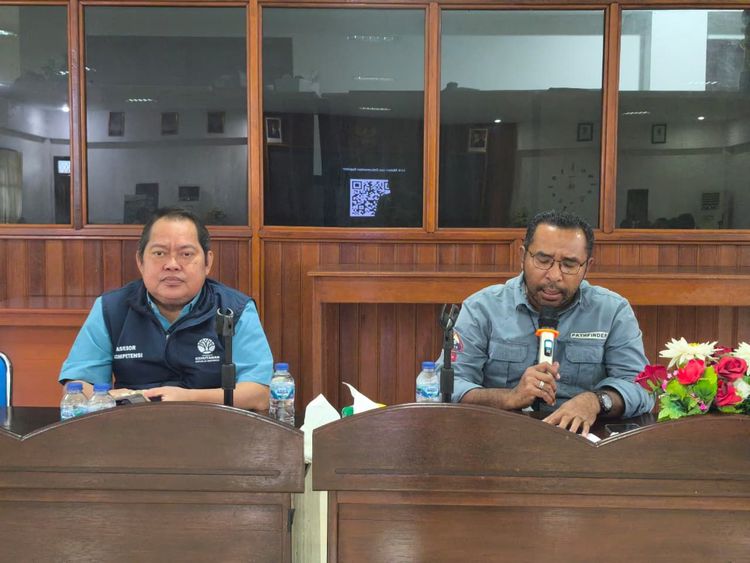
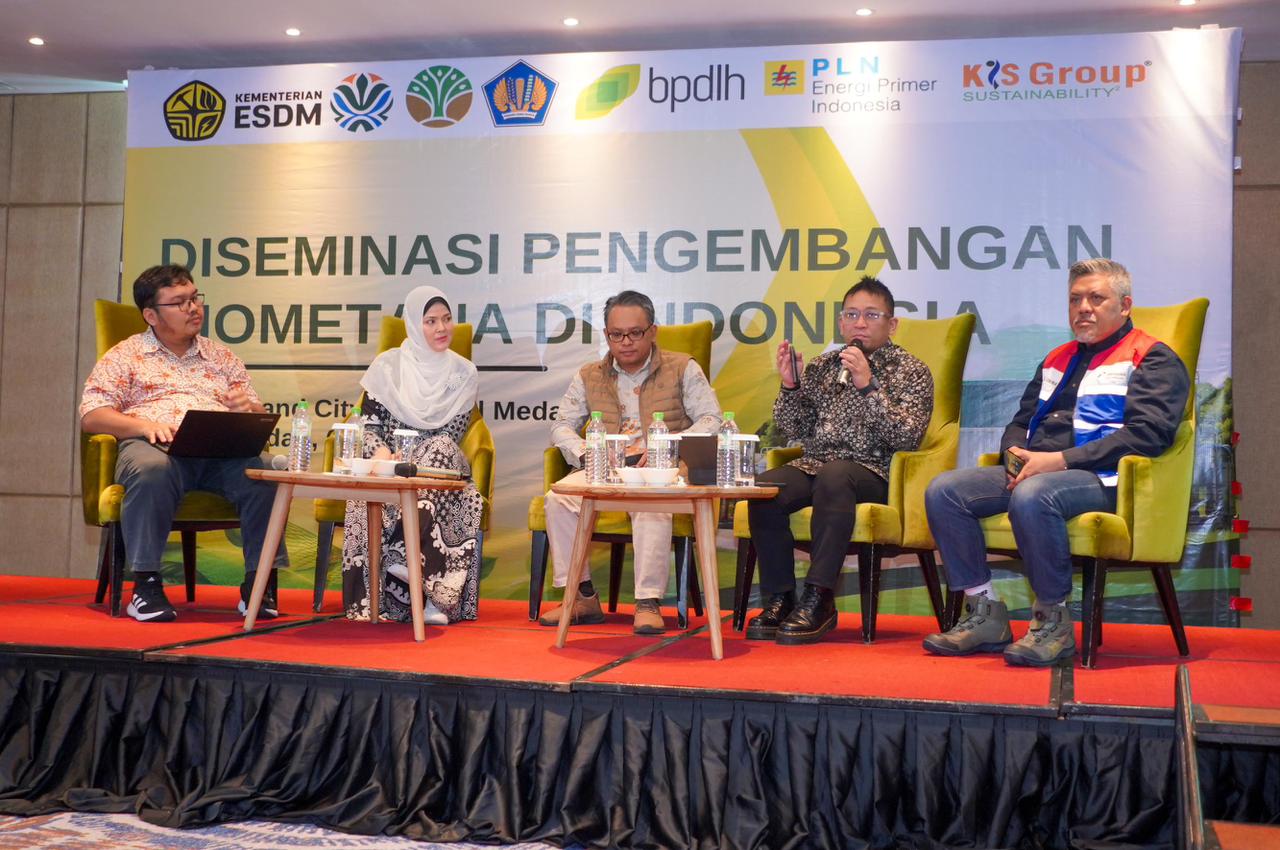
The company’s Director of Biomass, Hokkop Situngkir, outlined the strategy during the Biometane Development Dissemination Forum organized by the Directorate General of New, Renewable Energy and Energy Conservation of the Ministry of Energy and Mineral Resources in Medan, North Sumatra. The event brought together government agencies, industry players, financial institutions, and feedstock owners to strengthen Indonesia’s biomethane ecosystem.
Hokkop said the Bio-CNG program represents a concrete step toward optimizing the country’s abundant biomass resources while supporting decarbonization efforts in the electricity sector.
“PLN EPI continues to promote the conversion of palm oil waste into value-added energy resources. Through collaboration with concession holders and palm oil mills, Palm Oil Mill Effluent (POME) can be processed into biomethane and further refined into Bio-CNG to support electricity generation,” he said.
According to Hokkop, North Sumatra possesses significant potential for Bio-CNG development as one of Indonesia’s major palm oil production centers. Data from Statistics Indonesia (BPS) show that the province is home to 327 plantation companies and 237 palm oil mills, providing a substantial supply of raw materials for biomethane production.
PLN EPI has partnered with PT KIS Biofuels Indonesia, which has developed technology capable of converting palm oil mill effluent into Bio-CNG. The renewable fuel is planned to support the energy needs of the Belawan Combined Cycle Gas and Steam Power Plant (PLTGU Belawan) in North Sumatra, which has an installed capacity of 1,184 megawatts and contributes approximately 30 percent of the electricity supply in the northern Sumatra system.
“We see tremendous opportunities to expand Bio-CNG utilization. Therefore, PLN EPI remains open to collaboration with palm oil mills so that waste resources that have not been optimally utilized can be transformed into clean energy with economic value,” Hokkop said.
He added that biomethane development not only reduces dependence on fossil fuels but also creates new economic opportunities for the palm oil industry by generating additional value from previously underutilized waste streams.
The initiative also offers substantial environmental benefits. Methane released from palm oil mill effluent has a much higher global warming potential than carbon dioxide. Capturing and converting the gas into renewable energy helps lower greenhouse gas emissions while producing a reliable and sustainable energy source.
The Bio-CNG program aligns with PLN EPI’s commitment to supporting Indonesia’s energy transition targets and achieving net-zero emissions through greater utilization of renewable energy derived from domestic resources.
Through the development of Bio-CNG, PLN EPI seeks to create a green economic ecosystem that connects the plantation, industrial, and electricity sectors. The company believes the initiative demonstrates that energy transition can go hand in hand with economic growth, emissions reduction, and improved community welfare. (*)