Enviro News Asia, London – Stakeholder engagement is critical in the development and implementation of forest carbon project regulations.
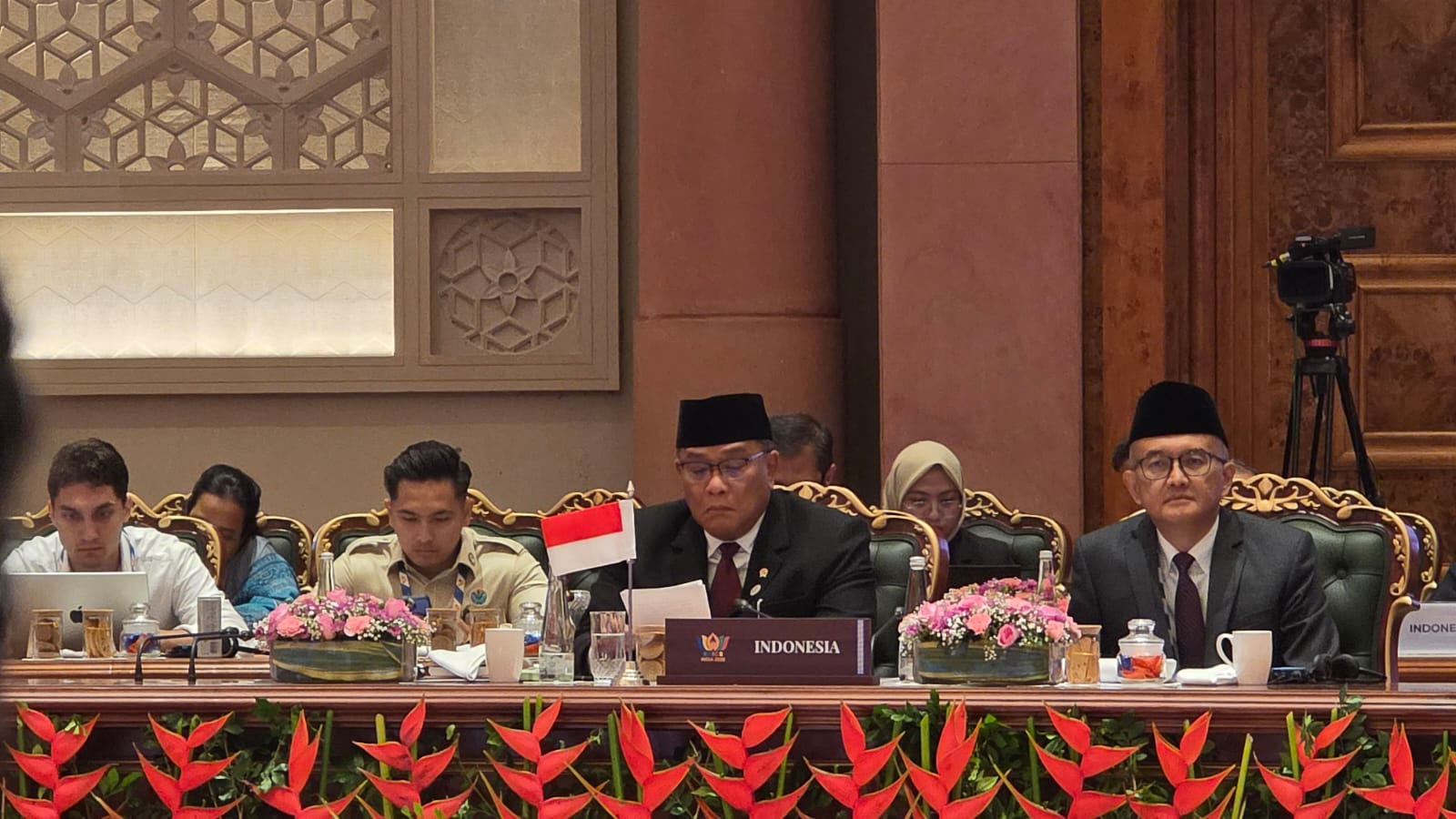
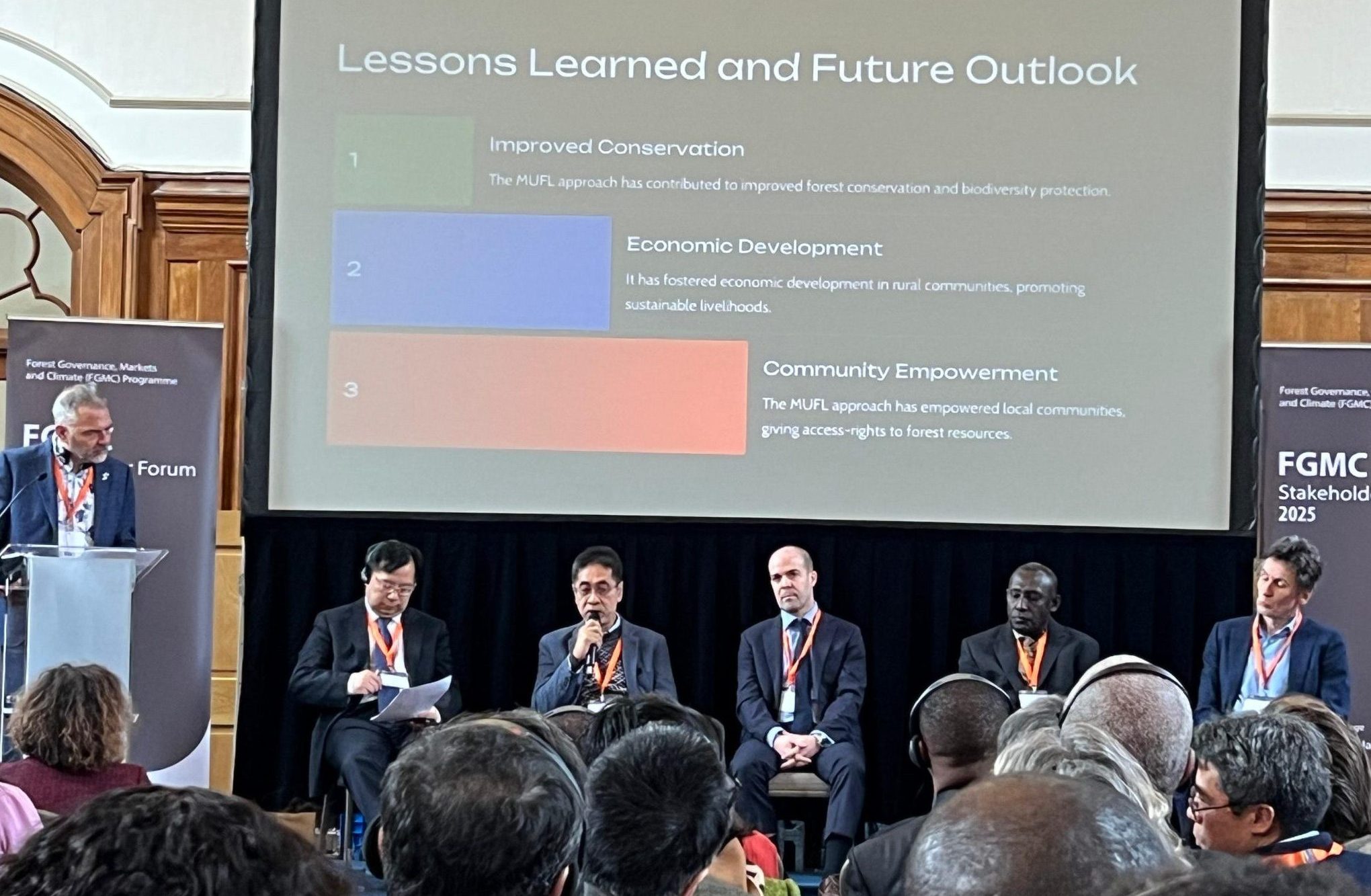
This was stated by Agus Justianto, Vice Chairman II of Indonesia’s FOLU Net Sink 2030 Working Team, during the Forest Governance, Markets, and Climate (FGMC) Stakeholder Forum in London on Thursday (January 23, 2025).
Agus spoke in the session Incentivising Forest Stewardship Through Trade and Markets, moderated by Dave Hopkins from Timber Development UK. The session also featured contributions from Professor Chen Yong of the Chinese Academy of Forestry, Vincent Istace, Head of Sustainability for Wood Products at Olam Agri, David Boseto from Wildlife Works, Solomon Islands, and Jan Willem van Gelder from Profundo and the Forests & Finance Coalition.
The forum provided a unique opportunity for participants to better understand the scope and ambitions of FGMC, reflect on the program’s setup, and contribute to revitalizing and expanding the FGMC Community of Practice by fostering relationships with FGMC partner countries and international stakeholders.
Agus outlined key strategies to ensure inclusiveness and transparency in forest carbon initiatives. “Stakeholder engagement is essential for creating inclusive, transparent, and effective policies,” Agus stated.
He added that this approach helps protect the rights and livelihoods of local communities, especially Indigenous peoples and forest-dependent groups.
Agus explained that stakeholders can contribute through public consultations, providing technical expertise, advocating for inclusive policies, monitoring project compliance, and building partnerships with various parties.
He likened this process to the SVLK certification system (Indonesia’s Timber Legality Assurance System), which has been successfully implemented in Indonesia for more than a decade.
Drawing on Indonesia’s experience with forest carbon projects, Agus highlighted several key lessons underpinning national regulation development.
These include the need for a robust legal framework, transparency in measurement and reporting, inclusiveness, and adaptability to local contexts.
“Transparency and accountability in measurement, reporting, and verification are critical,” Agus emphasized.
He further noted that the legal framework must clearly define stakeholder roles and enforcement mechanisms. These lessons have been incorporated into Indonesia’s FOLU Net Sink 2030 framework, a national initiative aimed at achieving climate mitigation targets in the forestry sector.
To maintain the reputation of high-integrity forest carbon investments, Agus recommended several measures, including setting clear standards, engaging local communities, promoting transparency, and collaborating with international partners.
“Capacity building and technical support for local communities are key to successful project management,” he added. Agus also underscored the importance of adaptive management practices and flexibility in responding to changing conditions and scientific developments.
By implementing these measures, forested nations can ensure that carbon projects not only contribute to global climate goals but also support sustainable development at the local level.