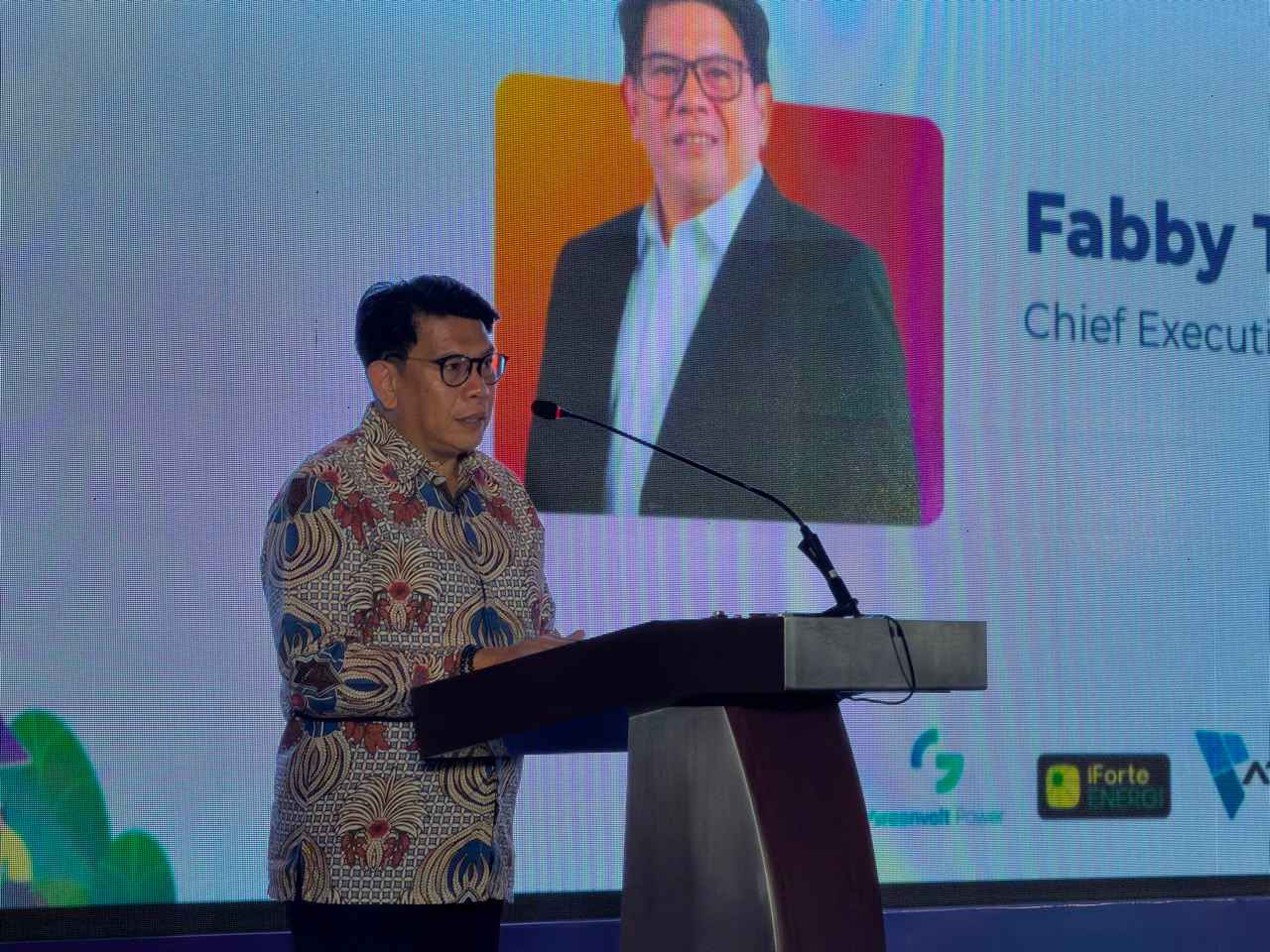
Enviro News Asia, Kansai — The U.S. Department of State and Japan’s Ministry of the Environment co-hosted the U.S.-Japan Critical Minerals ASEAN Supply Chain Seminar: e-Waste Recycling at the USA Pavilion during Expo 2025 Osaka, Kansai, Japan. The event gathered government representatives, the ASEAN Secretariat, industry leaders, researchers, and investors from both countries to advance cooperation on critical mineral recovery from electronic waste.
The seminar expanded on two years of joint U.S.-Japan engagement that previously included technical discussions held alongside ASEAN ministerial meetings in Jakarta in 2023 and Vientiane in 2024. These earlier sessions highlighted the rapid rise of e-waste across Southeast Asia and its potential to reinforce critical mineral supply chains.
The 2025 Osaka meeting took place soon after the launch of the Quad Critical Minerals Initiative, announced during the Quad Foreign Ministers’ Meeting on July 1, 2025. Officials and experts reviewed global demand projections for critical minerals and assessed the risks stemming from the concentration of refining capacity in limited geographic regions.
Participants examined ASEAN’s current e-waste recycling capabilities, noting that the region records the world’s fastest growth in discarded electronics. They exchanged analyses on institutional gaps, emerging technologies, pioneering urban mining projects, and prospects for commercial investment. Stakeholders emphasized that recovering metals through e-waste recycling can lower manufacturing costs, reduce dependence on primary mining, and open new economic opportunities for ASEAN economies.
Discussions also underscored the need to tailor recycling and recovery strategies to the distinct conditions of each ASEAN member state. Participants agreed that diversified supply sources and collaborative technological development can increase resilience against market volatility and geopolitical risks.
The seminar reaffirmed the strategic function of U.S.-Japan cooperation—both public and private—in supporting secure and sustainable supply chains for critical minerals. Companies from both countries explored avenues for joint initiatives that would reduce costs, mitigate operational risks, and strengthen regional supply chain stability.
Following the seminar, the United States and Japan committed to deepening collaboration on critical mineral recovery, refining technologies, streamlined export procedures, and supportive legislation across ASEAN. These efforts, aligned with the Quad Critical Minerals Initiative, aim to help ASEAN member states build reliable e-waste supply chains while accelerating economic development. (*)