Enviro News Asia, Jakarta — Nine social forestry Forest Heroes receiving the 2026 National Wana Lestari Awards are being encouraged to become centers of learning and sources of best practices for community-based forest management that can be replicated across Indonesia.
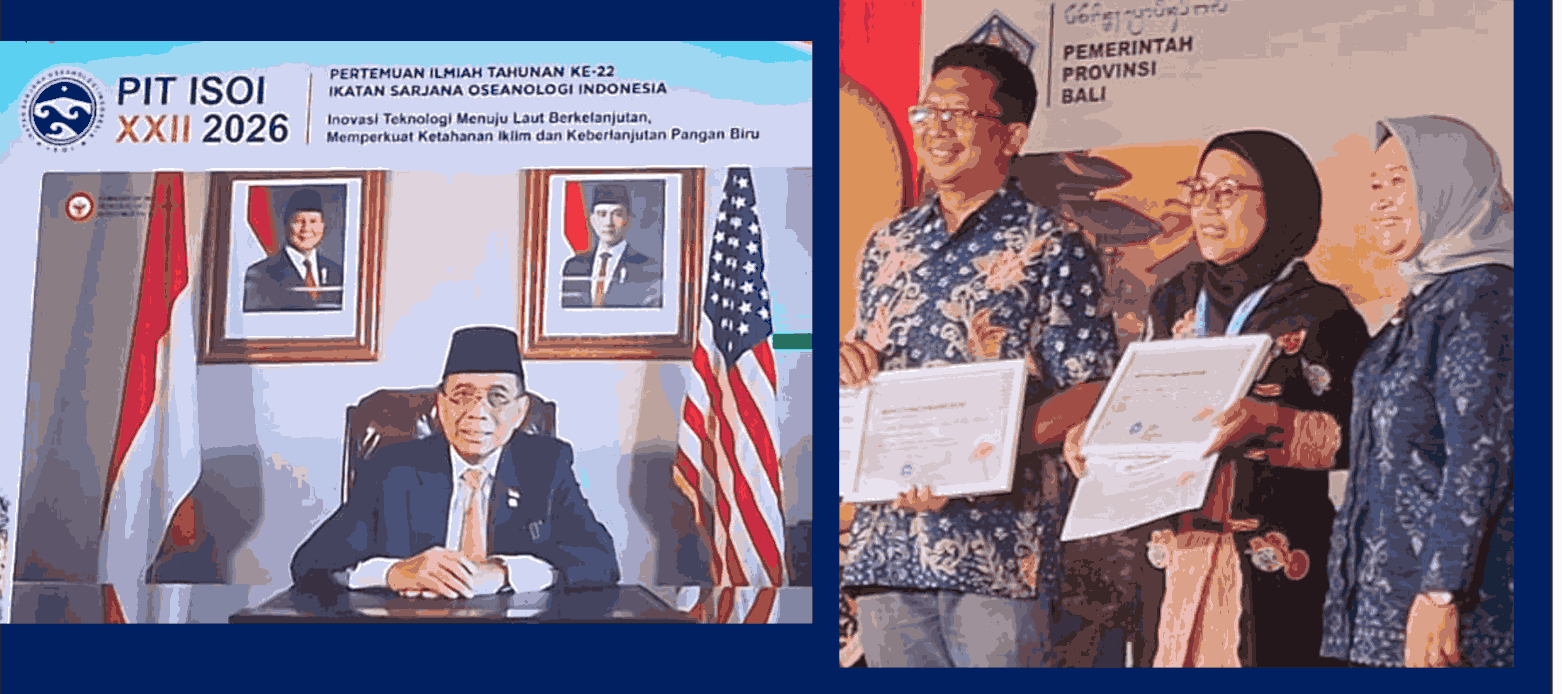
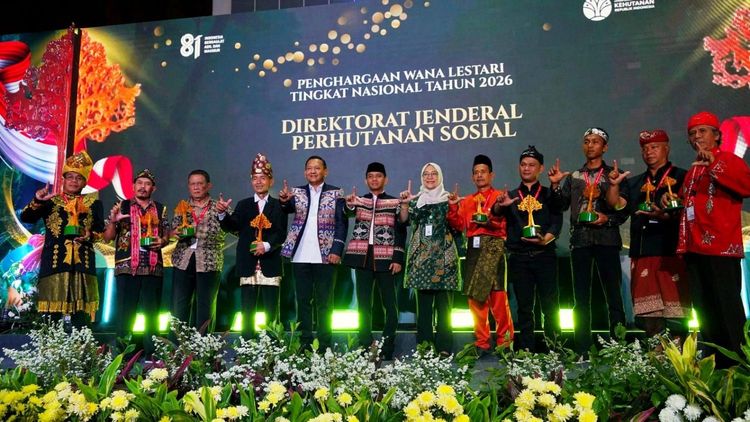
The awards recognize their dedication to protecting forests while generating tangible benefits for surrounding communities. The awards were presented by Forestry Minister Raja Juli Antoni, Deputy Forestry Minister Rohmat Marzuki, and Director General of Social Forestry Catur Endah Prasetiani during the 81st anniversary commemoration of Indonesia’s Independence Day in Jakarta on August 13.
Raja Juli Antoni emphasized that the Wana Lestari Awards should not become merely an annual ceremonial event. Instead, the best practices demonstrated by community-based forest managers should be documented, studied, adopted, and replicated in other regions.
“The winners are centers of excellence. I have asked that their profiles and best practices be documented in detail so they can be studied and replicated elsewhere,” Raja Juli said.
According to the minister, successful forest management at the local level should become a driving force for sustainable forest transformation throughout Indonesia. Its success can be measured through three key outcomes: improved community welfare, biodiversity conservation, and reduced carbon emissions.
The nine award recipients represent three social forestry schemes: Village Forest, Community Forest, and Customary Forest.
Under the Village Forest scheme, First Place was awarded to LPHD Ciloto in Cianjur, West Java. Second Place went to Lembaga Desa Wisata Wills Sejahtera in Madiun, East Java, while Third Place was awarded to LPHD Mesale in Poso, Central Sulawesi.
Under the Community Forest scheme, First Place was awarded to HKm Tuah Sejati in Aceh Besar, Aceh. Second Place went to HKm KTH Satria Mandiri in Cianjur, West Java, and Third Place was awarded to HKm Kelompok Tani Cinta Mangrove in Batu Bara, North Sumatra.
Under the Customary Forest scheme, First Place was awarded to Hutan Adat Larangan Mude Ayek Tebat Benawa in Pagar Alam, South Sumatra. Second Place went to Hutan Adat Ketemenggungan Tae in Sanggau, West Kalimantan, while Third Place was awarded to Hutan Adat Bukit Demulih in Bangli, Bali.
The award recipients demonstrate diverse approaches to community-based forest management across Indonesia. Their efforts extend beyond forest protection to include the development of local potential and the creation of economic and social benefits for surrounding communities.
Director General of Social Forestry Catur Endah Prasetiani said the award recipients would serve not only as role models but also as learning centers for other social forestry groups through field schools.
“The Wana Lestari Award recipients do not stop at being winners. Their best practices will become learning materials for other Social Forestry groups through field schools, allowing proven experiences at the local level to be studied and developed elsewhere,” she said.
The learning activities will begin at LPHD Ciloto in Cianjur, West Java, the First Place winner in the Village Forest category. Award recipients from various regions will learn together about forest management practices while sharing experiences, innovations, and lessons developed in their respective areas.
Through this approach, the Wana Lestari Awards are expected to become more than an annual recognition program. The initiative will serve as a mechanism for expanding successful community-based forest management practices, enabling the experiences of Indonesia’s Forest Heroes to be studied, developed, and replicated by other social forestry groups across the country. (*)