Enviro News Asia, Jakarta — Pertamina strengthened its collaboration to accelerate domestic bioethanol development in support of Indonesia’s E20 fuel target during a signing ceremony in Jakarta on 28 April 2026. The initiative aligns with President Prabowo Subianto’s agenda to achieve energy independence and food security.
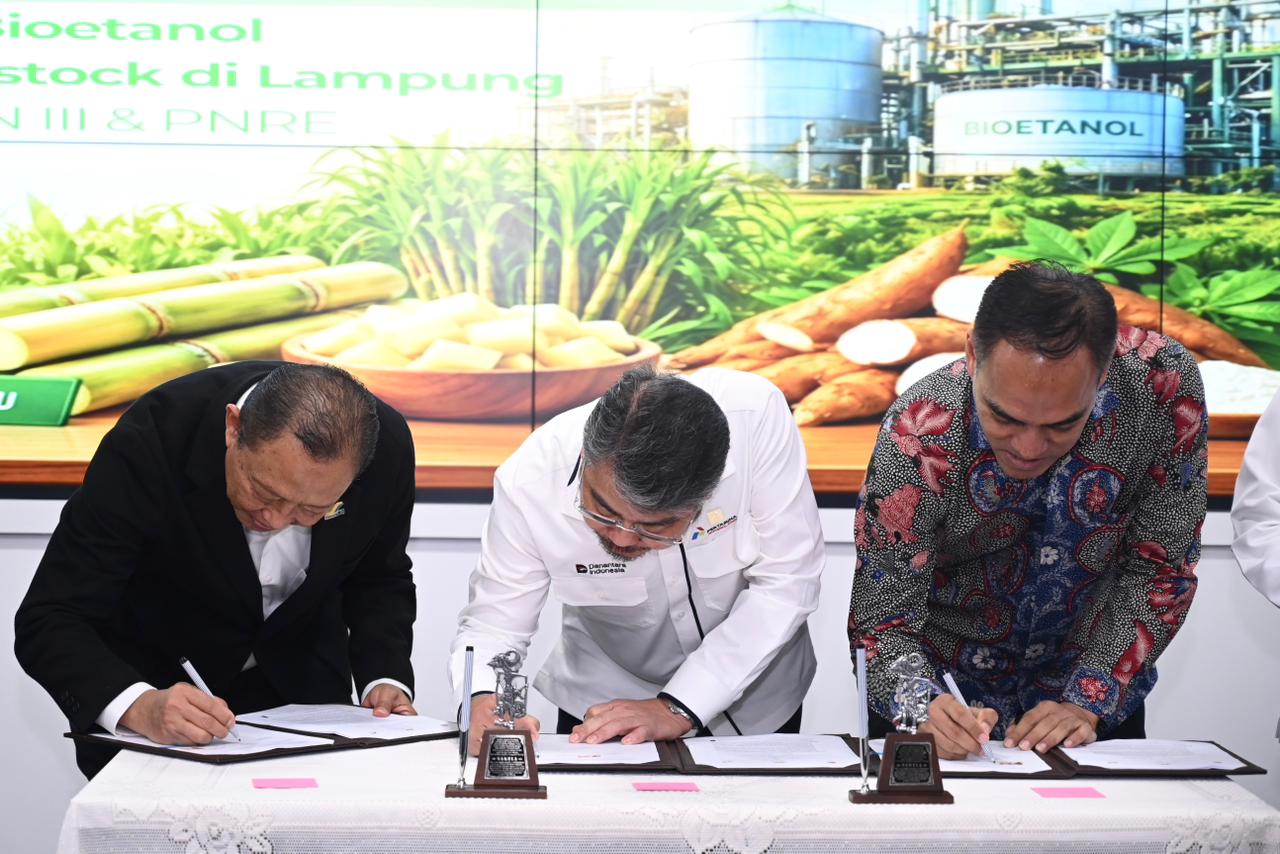
The company, through Pertamina New & Renewable Energy (PNRE), signed three strategic memorandums of understanding with PT Perkebunan Nusantara III and Medco Energi Internasional via its subsidiary PT Medco Intidinamika. The agreements cover the revitalization of a bioethanol plant in Lampung, the construction of a new facility in Bone, South Sulawesi, and the development of a molasses-based bioethanol plant in collaboration with PT Sinergi Gula Nusantara.
The partnerships aim to accelerate the implementation of the E20 bioethanol mandate by 2028, which requires blending 20 percent ethanol into fuel. The program is expected to strengthen national energy security by reducing reliance on imported fuels.
Director General of New, Renewable Energy and Energy Conservation at the Ministry of Energy and Mineral Resources, Eniya Listiya Dewi, stated that achieving the E20 target requires significant improvements in supply, infrastructure, and regulatory support. She emphasized that cross-sector collaboration is essential to ensure production readiness and an integrated ecosystem from upstream to downstream.
The cooperation assigns distinct roles to each partner. PTPN III will supply and manage feedstock from plantation commodities, Medco will support industrial development and infrastructure, and Pertamina will drive downstream processing and utilization of bioethanol as clean energy.
Pertamina’s Director of Transformation and Business Sustainability, Agung Wicaksono, said the collaboration reflects a strategic move to strengthen energy resilience amid global uncertainty. He noted that domestically sourced renewable energy offers a reliable alternative while supporting import substitution.
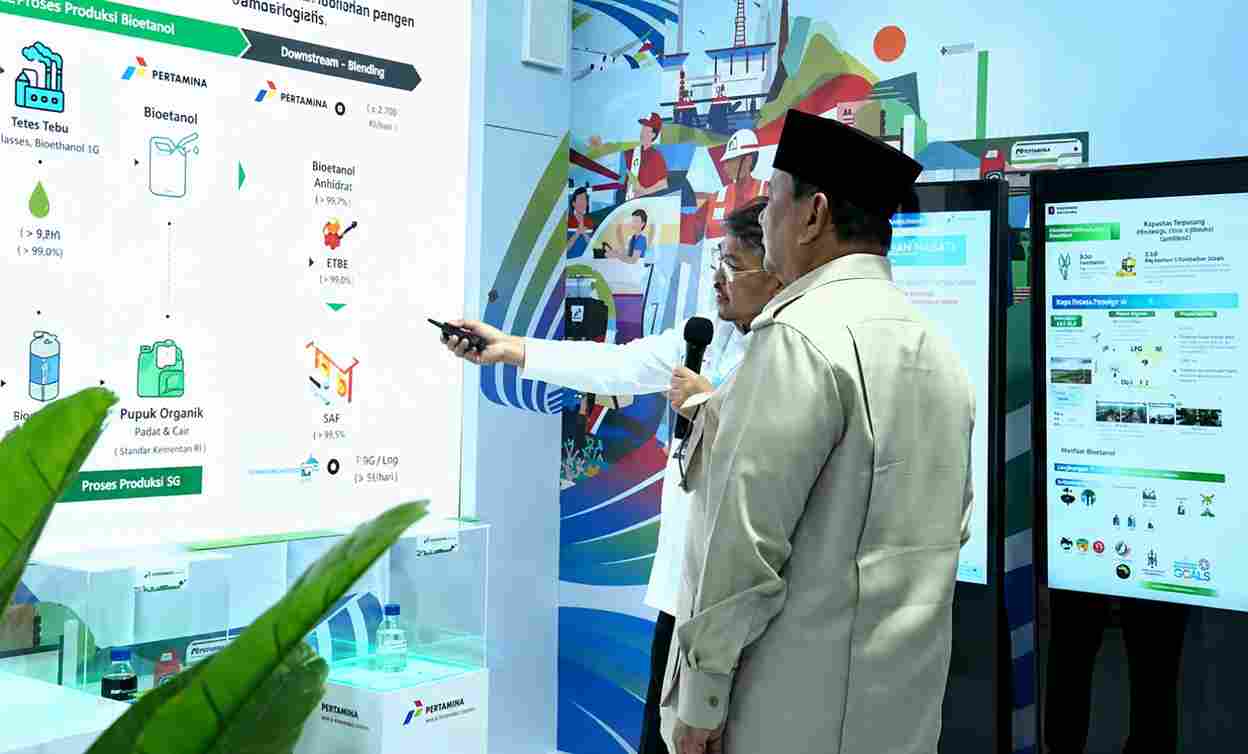
CEO of PNRE, John Anis, explained that Indonesia’s bioethanol demand could reach between 3 and 5 million kiloliters to meet the E20 target. He highlighted the need to develop multiple production facilities using diverse feedstock such as cassava, corn, sugarcane, and molasses, depending on regional potential.
President Director of PTPN III, Denaldy Mulino Mauna, added that the initiative will build an integrated bioethanol ecosystem while providing economic benefits to farmers through stable demand and improved supply chains.
Pertamina has already undertaken several initiatives to support bioethanol development, including projects in Banyuwangi, Lampung, and Garut, as well as international collaborations in renewable energy investment.
Through these efforts, Pertamina reaffirmed its commitment to advancing energy transition, supporting the Net Zero Emission 2060 target, and promoting sustainable economic growth through integrated renewable energy development. (*)