Enviro News Asia, Jakarta — PT Pertamina (Persero) continues to accelerate the development of new and renewable energy (EBT) as part of its efforts to strengthen national energy security. The initiative was reaffirmed in Jakarta on April 3, 2026, as a long-term solution amid global geopolitical tensions affecting energy supply stability and price volatility.
Muhammad Baron, Vice President of Corporate Communication at Pertamina, stated that renewable energy development is a strategic step to enhance national energy resilience while supporting the government’s Rencana Umum Energi Nasional (RUEN) targets for a sustainable future. He noted that global geopolitical dynamics continue to disrupt fossil energy supply and pricing, prompting the company to strengthen its energy mix through cleaner alternatives.
Pertamina recorded clean energy production of 8,743 gigawatt-hours (GWh) by the end of 2025, sourced from various low-carbon energy streams. Geothermal energy remains a key contributor, supporting power generation with a total installed capacity of 3,271 megawatts (MW).
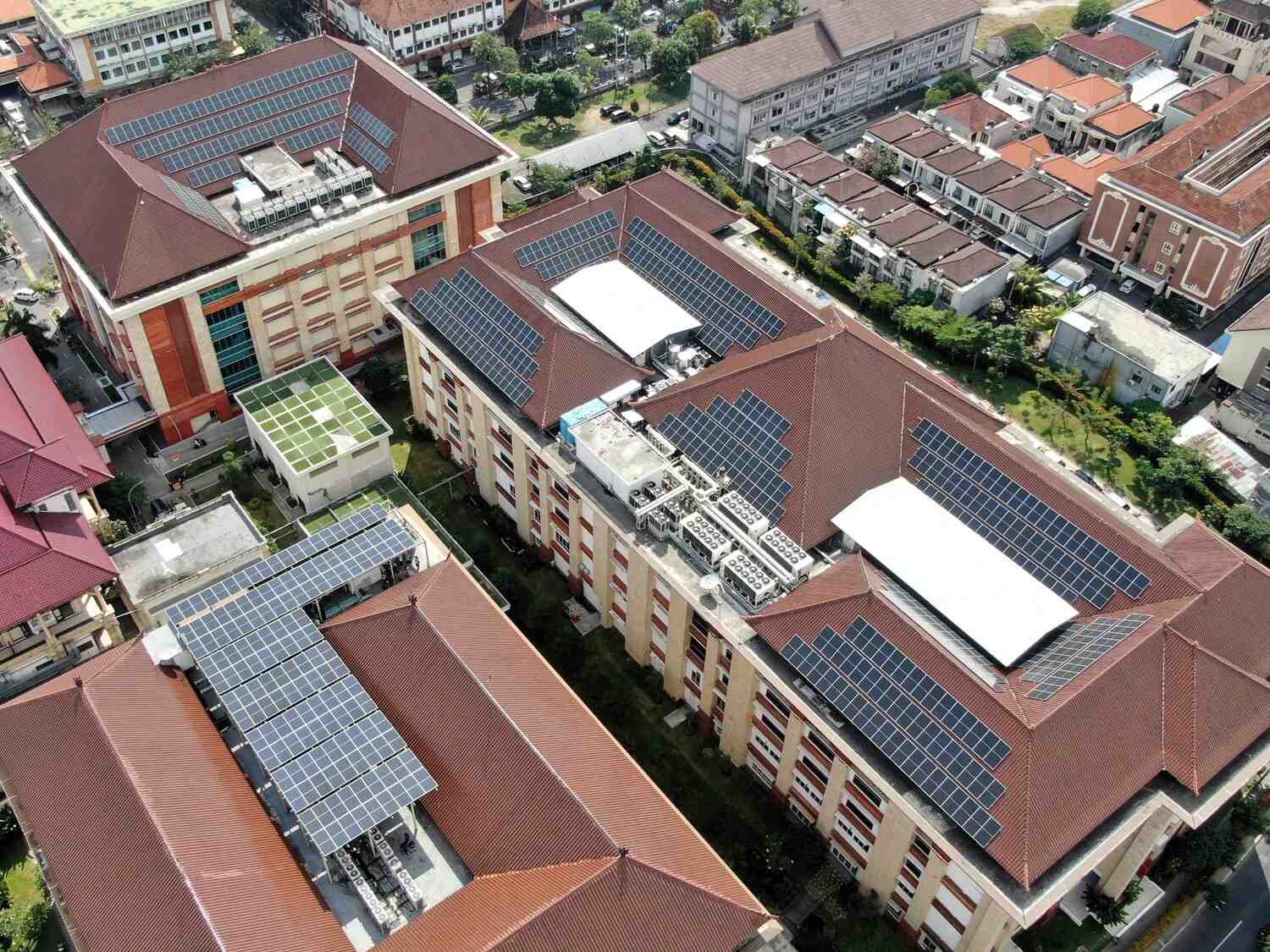
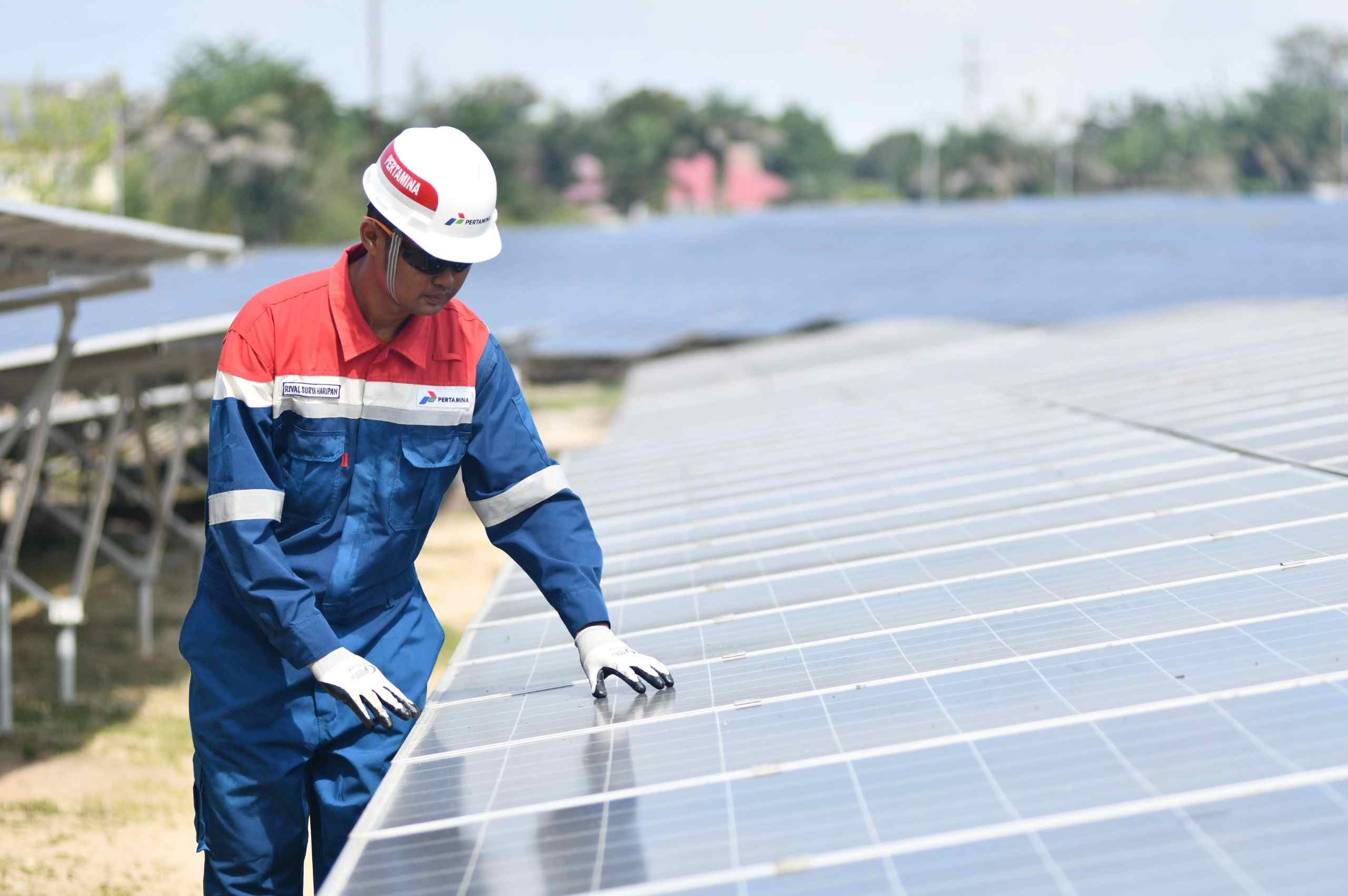
The company’s clean energy portfolio includes biogas power plants with a capacity of 2.4 MW, gas-to-power facilities such as Jawa Satu Power with 1,760 MW, and additional gas-to-power capacity of 12.9 MW from Pertamina Power Indonesia. Solar energy contributes 55.3 MW, while geothermal power accounts for 772.5 MW.
In addition, Pertamina’s subholding, Pertamina New & Renewable Energy, holds shares in Citicore Renewable Energy Corporation, which operates solar power facilities with a capacity of 669.3 MW.
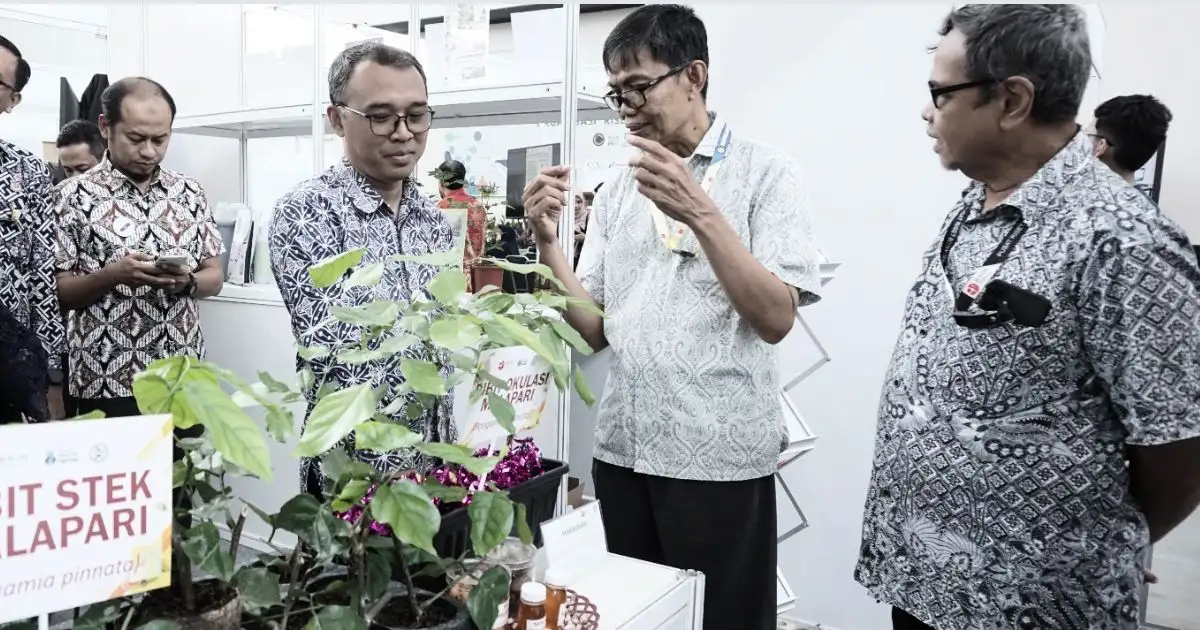
Beyond commercial operations, Pertamina is expanding renewable energy utilization at the community level. The company has established 252 Desa Energi Berdikari (DEB) across Indonesia, promoting the use of solar panels, micro-hydro systems, biogas, and other renewable energy sources.
Baron stated that these initiatives aim to strengthen not only energy independence in rural areas but also local economic activity. Of the total DEB locations, 156 sites have collectively produced 15,800 tons of rice and 890.4 tons of non-rice food commodities, contributing to national food security.
Looking ahead, Pertamina plans to expand clean energy and community empowerment programs to support Indonesia’s resilience against economic shocks and climate change, while positioning the country as a hub for energy independence and emerging economic growth.
The company reaffirmed that renewable energy development aligns with RUEN targets and supports Indonesia’s commitment to achieving Net Zero Emissions by 2060. Pertamina continues to advance energy transition initiatives that contribute directly to the Sustainable Development Goals (SDGs), while strengthening governance, public service, and sustainability practices through the implementation of Environmental, Social, and Governance (ESG) principles across its operations. (*)