

Enviro News Asia, Jakarta — Indonesia’s National Research and Innovation Agency (BRIN) is developing integrated gasification and carbon capture technologies to address the country’s waste management challenges while producing clean energy and higher-value materials.
The technology is being developed by BRIN’s Research Center for Energy Conversion Technology (PRTKE) and combines waste-to-energy processing with greenhouse gas emission reduction and the conversion of residual materials into advanced products such as carbon nanotubes (CNT).
BRIN researcher Nina Konitat Supriatna said poor waste management poses significant risks to public health and climate resilience. Uncontrolled dumping, landfill accumulation and open burning can generate harmful emissions and contribute to global warming.
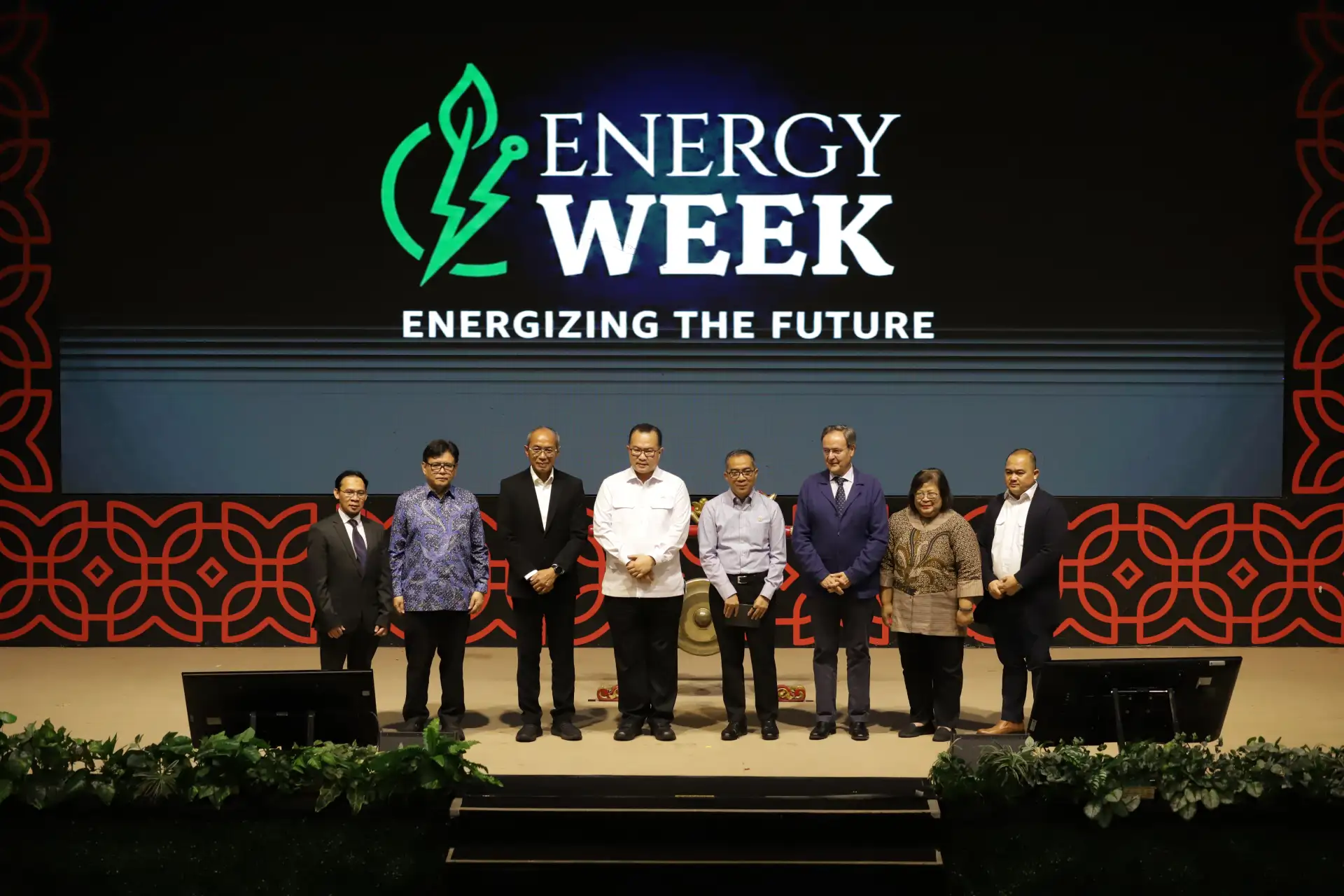
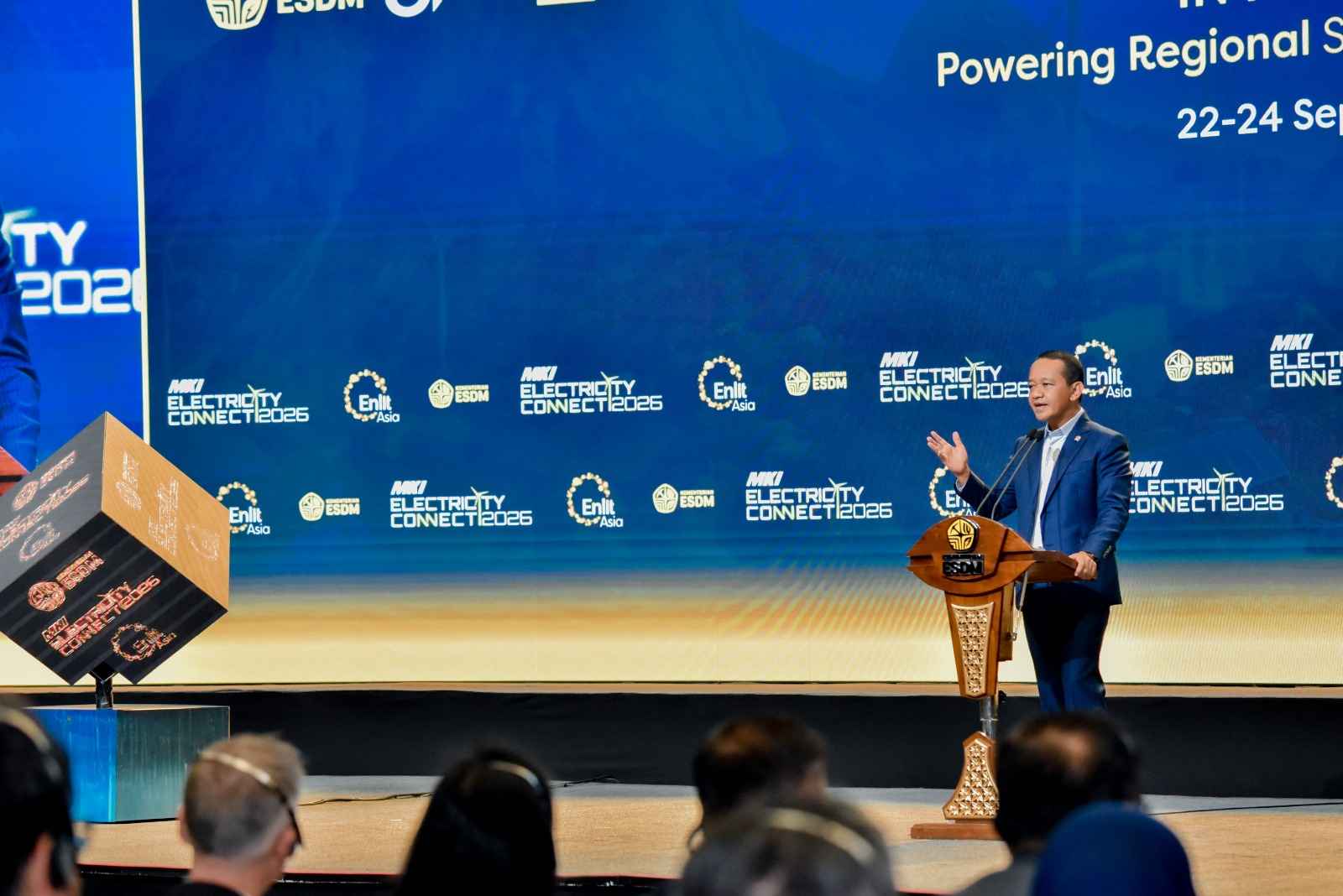
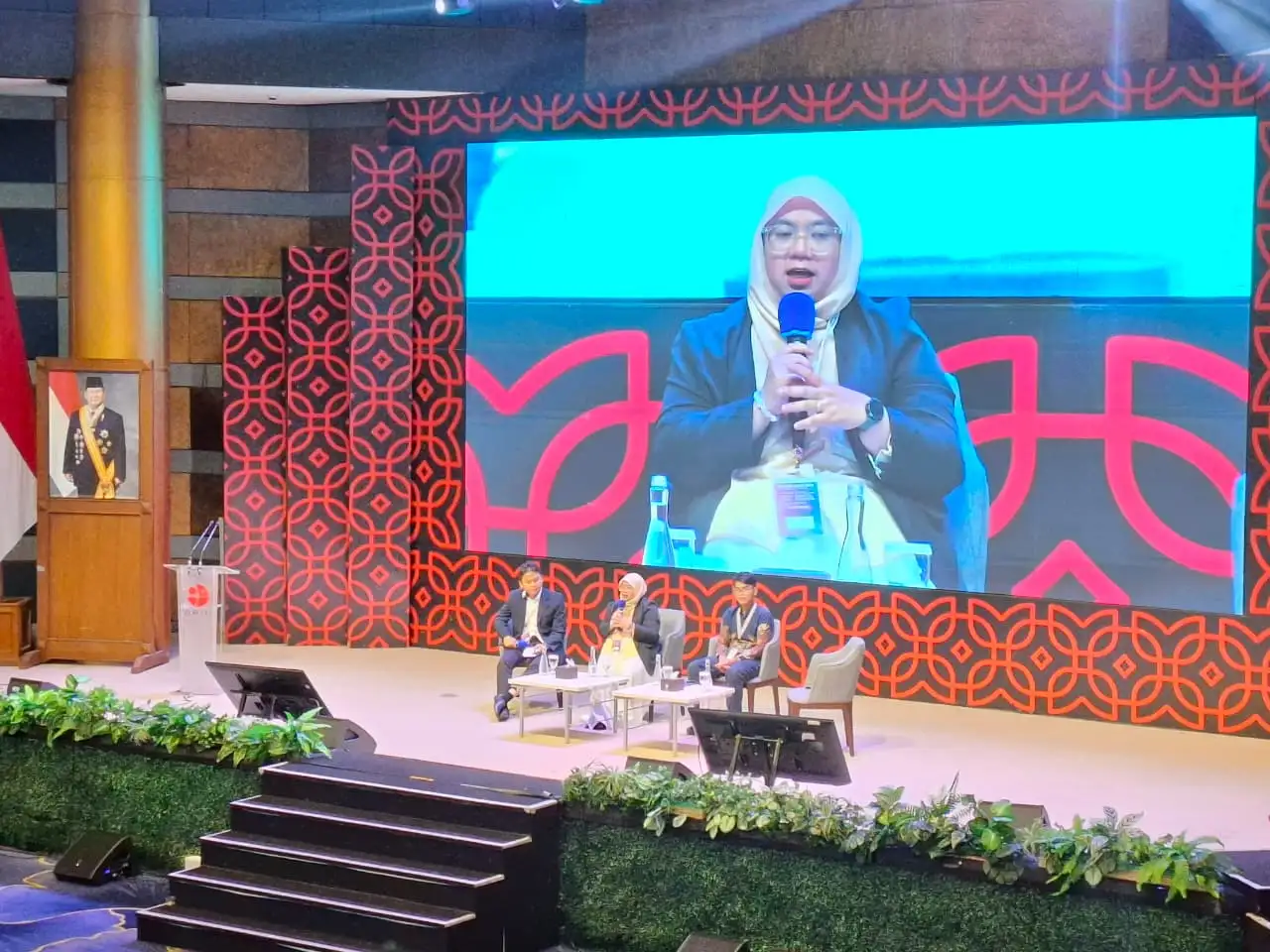
“Unmanaged waste can trigger methane emissions, while uncontrolled burning can produce CO2, dioxins and furans that are harmful to human health,” Nina said during Energy Week 2026 at the B.J. Habibie Building in Jakarta on September 22.
BRIN is developing controlled gasification as an alternative waste treatment technology. The process uses biomass and solid waste in the form of Refuse Derived Fuel (RDF) to produce combustible synthesis gas, or syngas, containing hydrogen, carbon monoxide and methane.
The system could reduce the potential release of methane and CO2 from a waste facility processing 150 tonnes per day by up to 90 percent, according to BRIN.
To improve the process, PRTKE BRIN is also developing an automated waste sorting system using artificial intelligence. The technology has completed its first development phase and will proceed to a second phase involving the installation of a facility in Parepare, South Sulawesi.
The gasification technology also offers opportunities to recover value from plastic waste. BRIN is developing a process that converts plastic waste at temperatures of up to 1,600 degrees Celsius into carbon nanotubes, an advanced material with high-performance applications.
BRIN is also developing ways to utilize gasification residues. Tar and char, or carbon-rich residue, are being processed into insulating materials with performance comparable to commercial composites.
The agency is extending its research to carbon capture technologies to address industrial emissions. Two major technologies are currently being developed: Calcium Looping in cooperation with the University of Waterloo in Canada, and a solvent-based Direct Air Capture (DAC) technology developed with the University of Indonesia.
Nina said the Calcium Looping technology can capture up to 90 percent of CO2 emissions and is particularly relevant to the cement industry, where emissions result not only from fuel combustion but also from the conversion of calcium carbonate (CaCO3) into calcium oxide (CaO).
BRIN is also seeking industrial partners to implement and further modify the Calcium Looping technology.
Industry practitioner Daffa Khairi of PT CCEPC Environment Protection and Energy Comprehensive Utilization Indonesia said converting waste into energy has become increasingly important amid gaps in waste management.
He emphasized that the primary purpose of waste-to-energy facilities should remain waste management, while electricity generated through the process should be regarded as an added value.
Daffa also said waste-to-energy facilities can be adapted to different types of waste, aligning with BRIN’s research on biomass and solid waste conversion.
BRIN is currently showcasing its gasification technology to the public and industry partners. A simulation using a combustor and high-pressure ventilator is being displayed from September 22 to 24, 2026, at the lobby of the B.J. Habibie Building on Jl. M.H. Thamrin in Central Jakarta. (*)