
Enviro News Asia, Depok — Indonesia is exploring ways to strengthen the environmental management and potential utilization of the Ciliwung River, including erosion control, invasive fish management and the development of small-scale renewable energy.
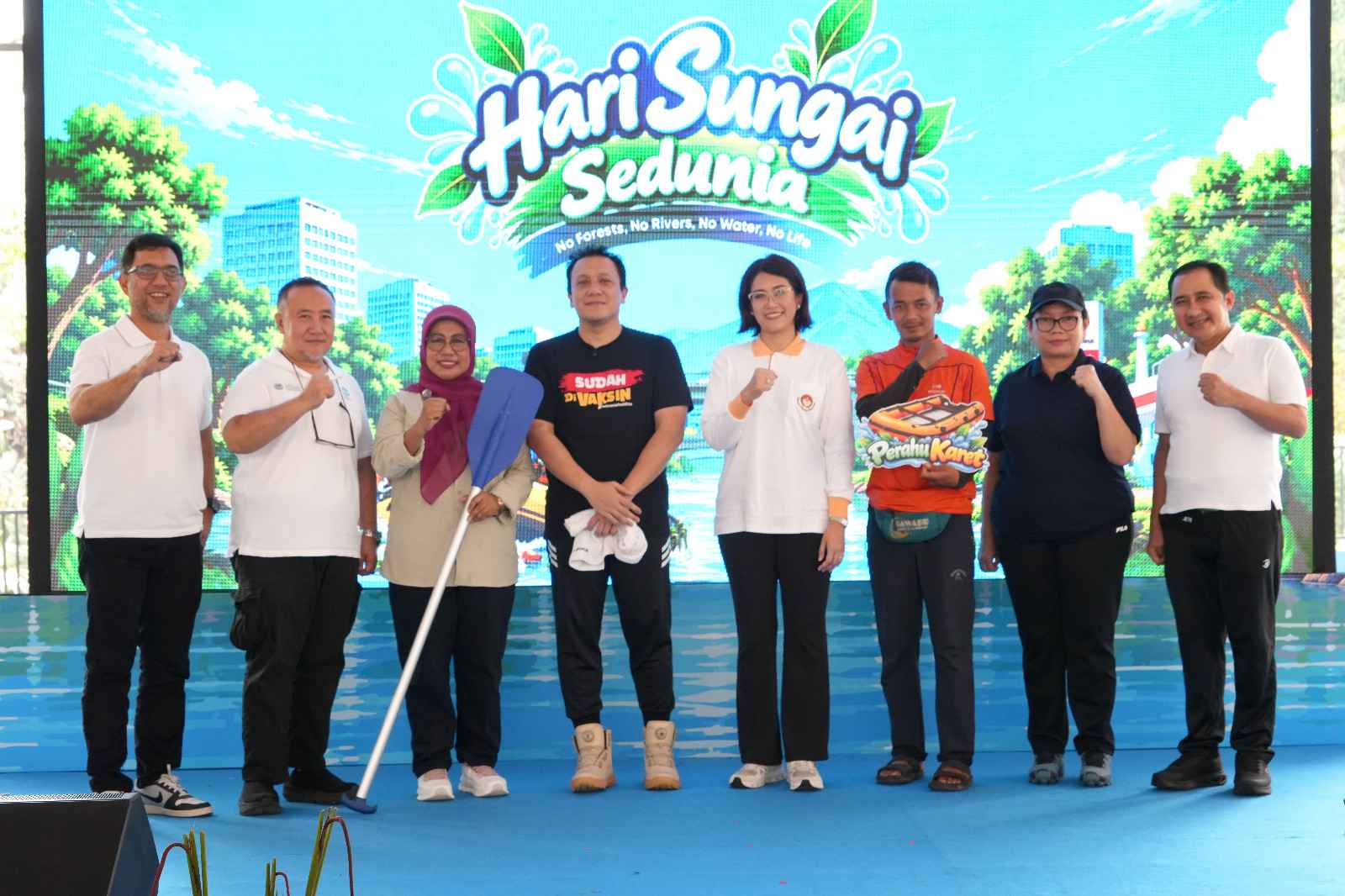
Deputy Minister of Environment and Deputy Head of the Environmental Control Agency (KLH/BPLH) Diaz Hendropriyono highlighted the potential during a river-cleaning and conservation activity held in Depok on September 27, 2026, as part of World Rivers Day 2026.
The activity was conducted simultaneously at nine locations across the Greater Jakarta area, Surabaya and Bali.
During his visit to the Ciliwung River, Diaz identified the planting of elo trees along riverbanks as one possible measure to help reduce erosion. He said the trees have extensive root systems that could help stabilize riverbanks, with bamboo potentially planted as part of further riverbank rehabilitation.
“We saw that parts of the Ciliwung River are somewhat vulnerable to erosion, so elo trees need to be planted along the riverbanks to help prevent it,” Diaz said.
He also identified invasive suckermouth catfish, commonly known as pleco or janitor fish, as one factor associated with erosion along parts of the river. According to Diaz, the fish can create underwater burrows near riverbanks, potentially weakening the banks.
He welcomed the involvement of community groups in removing invasive fish from the Ciliwung River as part of broader efforts to improve river conditions.
Beyond erosion control, Diaz highlighted the potential of the Ciliwung’s relatively strong water flow for developing micro-hydropower plants, or PLTMH. Such facilities generate electricity on a small scale by utilizing flowing water.
“The Ciliwung has a relatively strong flow, and people can even use parts of it for rafting. This means there is elevation that could support micro-hydropower development,” Diaz said.
He proposed a phased approach, beginning with the installation of a trash boom to control floating waste, followed by the development of wetlands to help absorb pollutants before further consideration of micro-hydropower facilities.
The approach would combine river-cleaning efforts, pollution control, ecosystem rehabilitation and renewable energy development.
Diaz also emphasized the importance of maintaining clean rivers because they provide essential resources for communities while also presenting potential risks when poorly managed.
“We still saw a lot of waste, and buildings remain along the riverbanks. Through World Rivers Day, we hope to increase awareness of the importance of rivers,” he said.
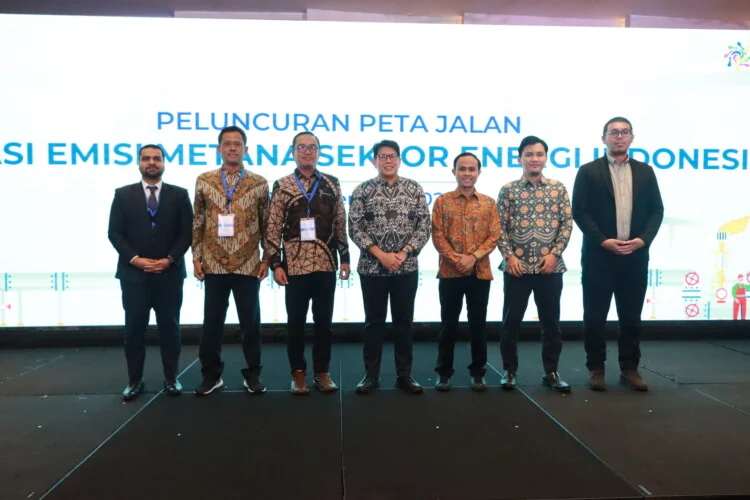
The World Rivers Day activities involved representatives from government, local authorities, communities and the private sector. Among those attending the Ciliwung event were Alia Jumhur Hidayat, Chair of the KLH/BPLH Dharma Wanita Persatuan Advisory Board; Depok Vice Mayor Chandra Rahmansyah; Deputy Speaker I of the Depok City Council Yetty Wulandari; Pertamina Gas Negara Finance Director Catur Dermawan; and Line Victoria Jensen, Head of the Environment and Circular Economy Sector Cooperation at the Embassy of Denmark.
The initiative reflects a broader approach to river management that connects ecosystem protection with community participation and potential renewable energy applications. Further technical assessment would be required to determine the feasibility of specific measures along the Ciliwung River. (*)