Enviro News Asia, Bogor – Indonesia’s Ministry of Forestry has strengthened its biodiversity conservation efforts in West Java by releasing two rehabilitated Javan hawks into the wild and inaugurating new wildlife conservation facilities in the Megamendung Landscape, a critical ecological corridor connected to the Cibodas Biosphere Reserve.
Representing Forestry Minister Raja Juli Antoni, Director General for Natural Resources and Ecosystem Conservation (KSDAE) Satyawan Pudyatmoko visited Megamendung in Bogor Regency on June 9 to officially launch the Paseban Aviary Valley, inaugurate a Timor deer breeding center, and oversee the release of two Javan hawks (Nisaetus bartelsi), one of Indonesia’s most iconic and endangered bird species.
The initiative forms part of a broader landscape-based conservation strategy that combines ecosystem restoration, biodiversity protection, environmental education, scientific research, and community empowerment.
The two released birds, a female named Agni and a male named Beta, underwent approximately two and a half years of rehabilitation, behavioral conditioning, and technical assessments before being declared fit for release into their natural habitat.
Agni originated from the Kamojang Eagle Conservation Center (PKEK), while Beta was rehabilitated by the Cikananga Conservation Foundation (YCKT). Conservation teams equipped both birds with GPS tracking devices to monitor their movements, habitat use, and adaptation after release.
The Javan hawk is endemic to the island of Java and serves as a flagship species for Indonesia’s conservation efforts. Experts consider its presence a key indicator of the health of Java’s montane forest ecosystems.
The Ministry of Forestry acknowledged the contributions of conservation institutions, including PKEK and YCKT, in rescuing, rehabilitating, and preparing the birds for release. Officials emphasized that successful wildlife reintroductions depend not only on rehabilitation programs but also on habitat quality and community support.
The ministry stressed that cooperation among government agencies, local communities, academics, businesses, and conservation organizations remains essential for protecting habitats and reducing threats such as illegal hunting and habitat degradation.
Alongside the eagle release, authorities inaugurated the Paseban Aviary Valley, a non-commercial ex-situ conservation facility designed to support bird conservation through environmental education, research, responsible breeding programs, and future wildlife reintroduction efforts.
A Timor deer breeding center was also officially opened as part of the area’s growing conservation and environmental education hub. Officials said both facilities were developed based on the principle that ex-situ conservation should serve as a tool to strengthen wild populations and restore ecosystem functions rather than becoming an end goal in itself.
The conservation initiatives in Megamendung are led by the Paseban Foundation, which promotes an integrated approach combining biodiversity conservation, ecosystem restoration, sustainable organic agriculture, scientific research, environmental education, and community engagement.
According to the foundation, the effort began around sixteen years ago through organic farming practices before evolving into a broader landscape restoration movement.
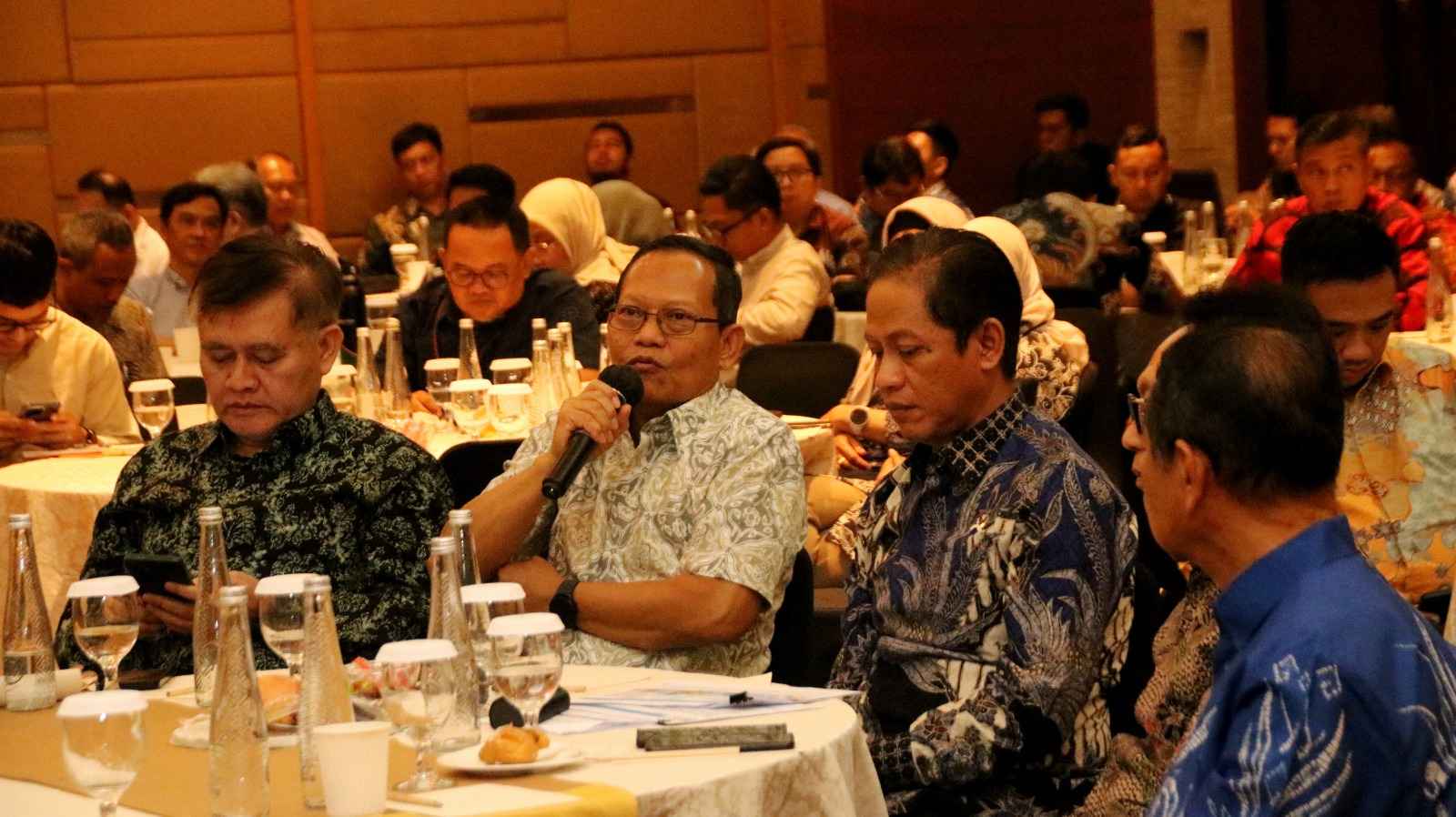
Speaking on behalf of the Forestry Minister, Satyawan Pudyatmoko praised the commitment demonstrated by conservation institutions, government agencies, local communities, researchers, and private-sector stakeholders involved in protecting the Megamendung Landscape.
“Conservation requires strong collaboration between government, communities, businesses, universities, and other stakeholders. What is being achieved in Megamendung demonstrates that biodiversity conservation, ecosystem restoration, and sustainable development can advance together in a complementary manner,” Satyawan said.
Andy Utama, Patron of the Paseban Foundation, described the initiative as part of a long-term commitment to restoring the area’s ecological functions.
“We have a simple yet ambitious aspiration: to help restore Megamendung as closely as possible to the ecological condition for which it was known around a century ago. While we may never fully recreate the past, we can restore ecological functions, strengthen wildlife habitats, protect water resources, and leave a healthier landscape for future generations,” Andy said.
Meanwhile, Wiratno, Advisor to the Paseban Foundation, highlighted the strategic significance of Megamendung within a broader conservation landscape.
“Megamendung’s importance extends far beyond its administrative boundaries. It forms a vital part of a larger landscape connected to the Cibodas Biosphere Reserve and plays an essential role in maintaining ecological functions whose benefits reach downstream communities. As development pressures continue to increase, the value of safeguarding areas like this becomes even more significant,” he said.
Megamendung remains one of the most important biodiversity refuges in West Java, supporting numerous wildlife species including the Javan hawk, Javan gibbon, Javan surili, Javan lutung, Sunda pangolin, banded linsang, mongoose, Javan porcupine, and a variety of forest bird species.
Conservationists say the continued presence of these species demonstrates that the landscape still performs critical ecological functions despite mounting development pressures across Java. The latest initiatives are expected to serve as a model for integrating biodiversity conservation, ecosystem recovery, environmental education, sustainable development, and multi-stakeholder participation within a single connected landscape. (*)