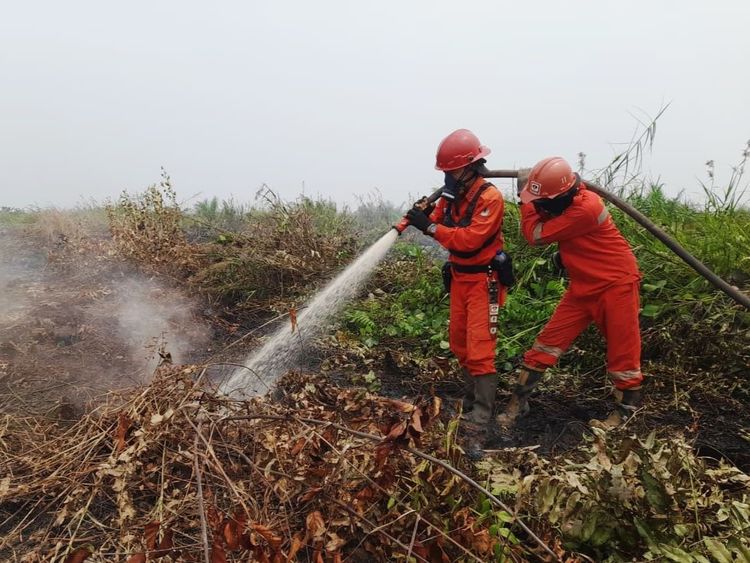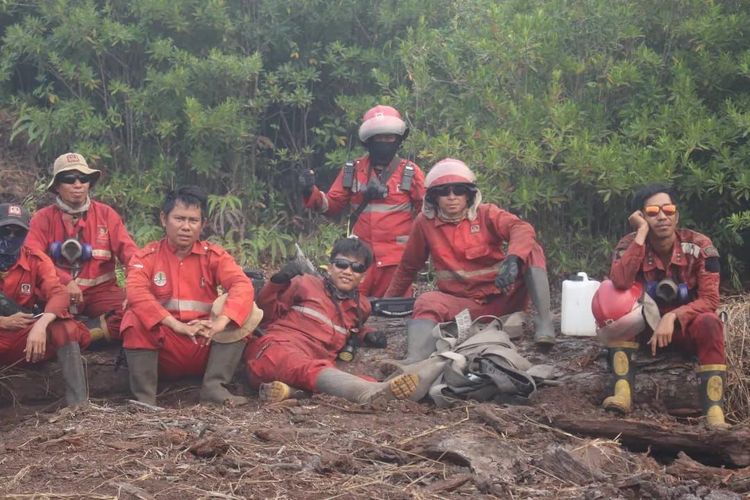
Enviro News Asia, Jakarta — Indonesia’s Ministry of Forestry has introduced temporary closures and limited access to mountain hiking routes in conservation areas across the country as part of efforts to reduce the risk of forest and land fires during the peak of the 2026 dry season.
The policy, issued through Circular Letter No. SE.4/KSDAE/SKSDAE/KSA.02.02/B/8/2026 on August 31, will take effect on September 1, 2026. It applies to mountain hiking activities within Nature Reserves (KSA) and Nature Conservation Areas (KPA) across Indonesia.
The Ministry said the policy was designed as a precautionary measure to protect ecosystems and ensure visitor safety as dry weather increases the potential for fires in vulnerable areas.
The Directorate General of Conservation of Natural Resources and Ecosystems (KSDAE) will determine hiking status based on risk assessments for individual locations rather than applying a uniform national restriction.
Director General of KSDAE Satyawan Pudyatmoko said the assessment considers several factors, including the vulnerability of each conservation area, the potential accumulation of dry natural fuels along hiking routes, ecological consequences, and the capacity of field teams to control fires.
“Very dry weather during the dry season increases the accumulation of natural fuels along hiking routes, making human activities more vulnerable to triggering fires,” Satyawan said.
He added that both limited access and temporary closures were precautionary measures intended to prevent even small fire incidents while protecting visitors.
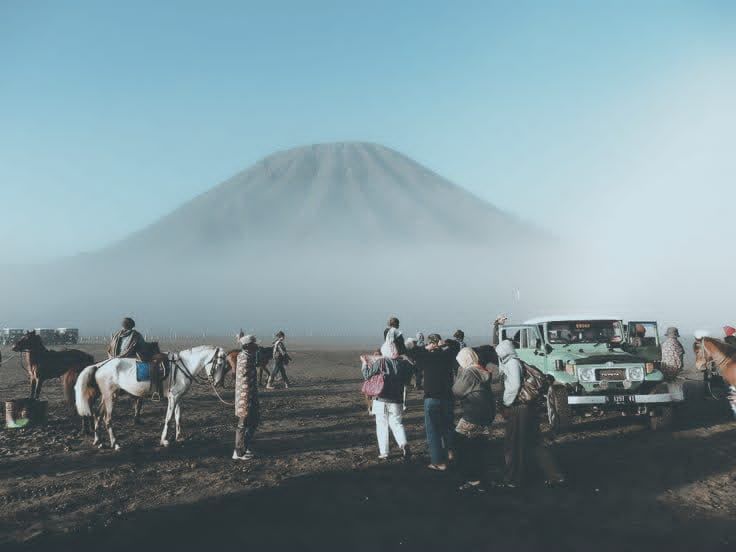
Temporary closures have been imposed in areas classified as having high fire risk. These include Mount Semeru in Bromo Tengger Semeru National Park, Kerinci Seblat National Park, Mount Ciremai National Park, Tambora National Park, Manusela National Park, Bukit Baka Bukit Raya National Park, Mount Gede Pangrango National Park, Gunung Leuser National Park, and Lorentz National Park, specifically the Ilaga, Tsinga, Sugapa, and Ugimba routes.
Meanwhile, limited hiking access has been introduced in areas categorized as having moderate fire risk. These include Mount Rinjani National Park, Mount Merbabu National Park, the Dataran Tinggi Hyang Wildlife Sanctuary in Argopuro, and Mount Halimun Salak National Park.
Under the new arrangement, online ticket bookings for temporarily closed hiking destinations have been suspended until conditions are declared safe.
However, hikers who completed their payments before September 1, 2026, will continue to have their bookings accommodated in accordance with applicable regulations and technical adjustments in the field.
Previously scheduled tourism events may also continue under specific conditions. These include the Merbabu Trail Run in Mount Merbabu National Park and certain scheduled activities in Mount Merapi National Park and Kerinci Seblat National Park.
The Ministry said such events must be conducted under full supervision and security measures by joint response teams.
During the adjustment period, all heads of national park and conservation agency offices have been instructed to strengthen field patrols and intensify inspections of hikers’ belongings for items that could potentially ignite fires.
They have also been instructed to strengthen coordination with local governments, the National Disaster Management Agency (BNPB), regional disaster management agencies (BPBD), the Indonesian Military (TNI), the National Police (Polri), and local communities.
Satyawan said the hiking restrictions were dynamic and would be reviewed periodically based on climate developments and fire risk conditions in the field.
“The policy is dynamic and will continue to be evaluated periodically according to climate developments and the level of vulnerability in the field,” he said.
The Ministry called on hikers, nature enthusiasts, and the wider public to understand and comply with the measures as part of collective efforts to protect Indonesia’s conservation landscapes and prevent forest and land fires during the dry season. (*)