Enviro News Asia, Jakarta — Indonesia is accelerating efforts to improve national waste management through a region-based roadmap, stronger recycling infrastructure, and expanded producer responsibility. The Ministry of Environment and the Environmental Control Agency (KLH/BPLH) is targeting a gradual transition toward 100 percent managed waste by 2028, followed by improvements in system sustainability in 2029.
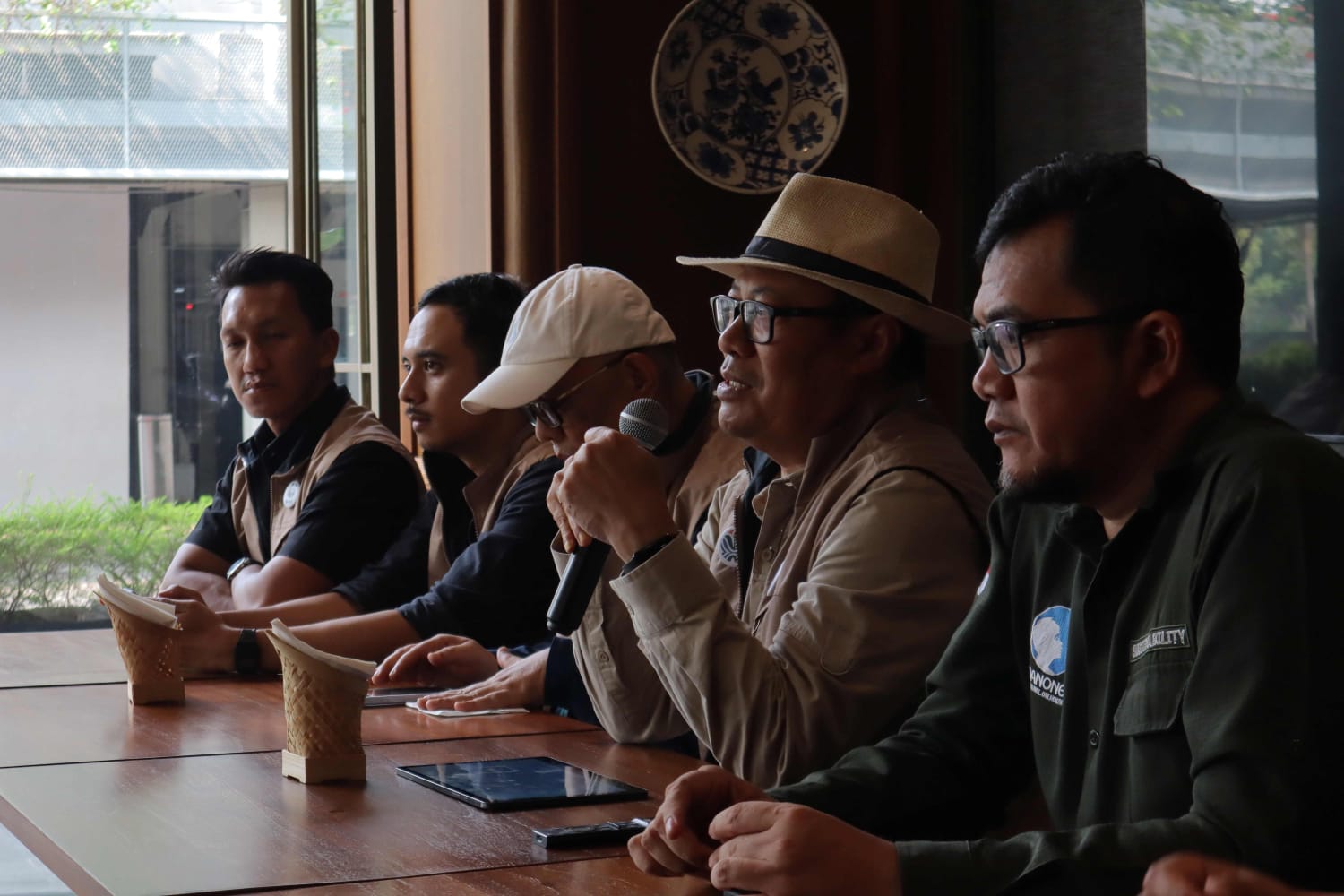
The policy direction was presented by KLH/BPLH Deputy for Waste, Wastewater and Hazardous and Toxic Materials Management Vinda Damayanti Ansjar during a hearing with Commission XII of the House of Representatives (DPR RI) in Jakarta on Monday, September 7, 2026.
The government said Indonesia continues to face a significant waste management gap. National waste generation currently reaches around 144,562 tons per day and is growing by approximately 1.48 percent annually, alongside a population of about 285.4 million.
Only around 25 percent of the waste is currently recorded as managed. Indonesia has 522 final disposal sites (TPA), with approximately 70 percent still operating through open dumping. This contributes to an estimated 36.59 percent of waste entering the environment.
The country also has around 40,267 waste management facilities, including 3R waste reduction facilities and waste banks. However, many of these facilities still require improvements in operational capacity and performance.
Vinda said the government is implementing a thematic and regional roadmap to support the 2025–2029 National Medium-Term Development Plan (RPJMN).
In 2026, the government is prioritizing improvements in waste governance, ending open dumping practices and reactivating material recovery facilities (MRF). Facility development is expected to accelerate in 2027, with the government targeting a gradual achievement of 100 percent managed waste in 2028.
The government plans to continue improving the system in 2029 to ensure that waste management becomes more sustainable rather than relying on a single downstream solution.
Waste reduction at the source, recycling, composting, 3R facilities, waste banks, Refuse Derived Fuel (RDF), and other processing technologies are therefore being developed alongside waste-to-energy facilities.
Members of Commission XII also stressed that waste-to-energy, or waste processing into electricity, should not become the sole answer to Indonesia’s waste problem. Waste reduction and sorting must begin at the source before residual waste is processed through downstream technologies.
Alongside infrastructure development, KLH/BPLH is also revising Ministerial Regulation No. 75 of 2018 concerning the roadmap for waste reduction by producers.
The revision is intended to strengthen the implementation of Extended Producer Responsibility (EPR), including the proposed establishment of Producer Responsibility Organizations (PROs).
Under the proposed mechanism, producers would establish nonprofit organizations responsible for managing or recovering packaging waste from products they place on the market. Producers would contribute fees to the organizations, with payments calculated proportionally according to the volume and type of packaging.
The PROs would subsequently work with local governments and recycling facilities to collect and manage packaging waste.
The policy is expected to cover industries including fast-moving consumer goods, bottled drinking water, retail, and food and beverage companies. Importers would also be assigned responsibility for products and packaging brought into Indonesia.
The expanded producer responsibility framework follows the polluter-pays principle, under which businesses are expected to take responsibility for the waste generated by their products.
The government is also preparing a Presidential Regulation on the National Policy and Strategy for Waste Management (Jakstranas) to strengthen coordination between waste reduction at the source and downstream treatment.
The integrated approach is intended to address Indonesia’s waste problem from households and producers through collection, sorting, recycling and treatment, while reducing the amount of waste ultimately sent to disposal sites.
For Indonesia, the challenge is therefore not simply building more waste treatment facilities, but creating a system in which waste is reduced, separated and processed from the earliest stage, allowing downstream technologies to handle only the residual waste that cannot be recovered. (*)