Enviro News Asia, Jakarta — The Indonesian government is targeting the completion of 11 waste-to-energy (WTE) facilities by 2028 as part of efforts to establish an integrated national waste management system.
The Ministry of Environment and the Environmental Control Agency (KLH/BPLH), together with the Daya Anagata Nusantara Investment Management Agency (BPI Danantara), are accelerating the development of WTE facilities to support the national target of comprehensive waste management by 2029.
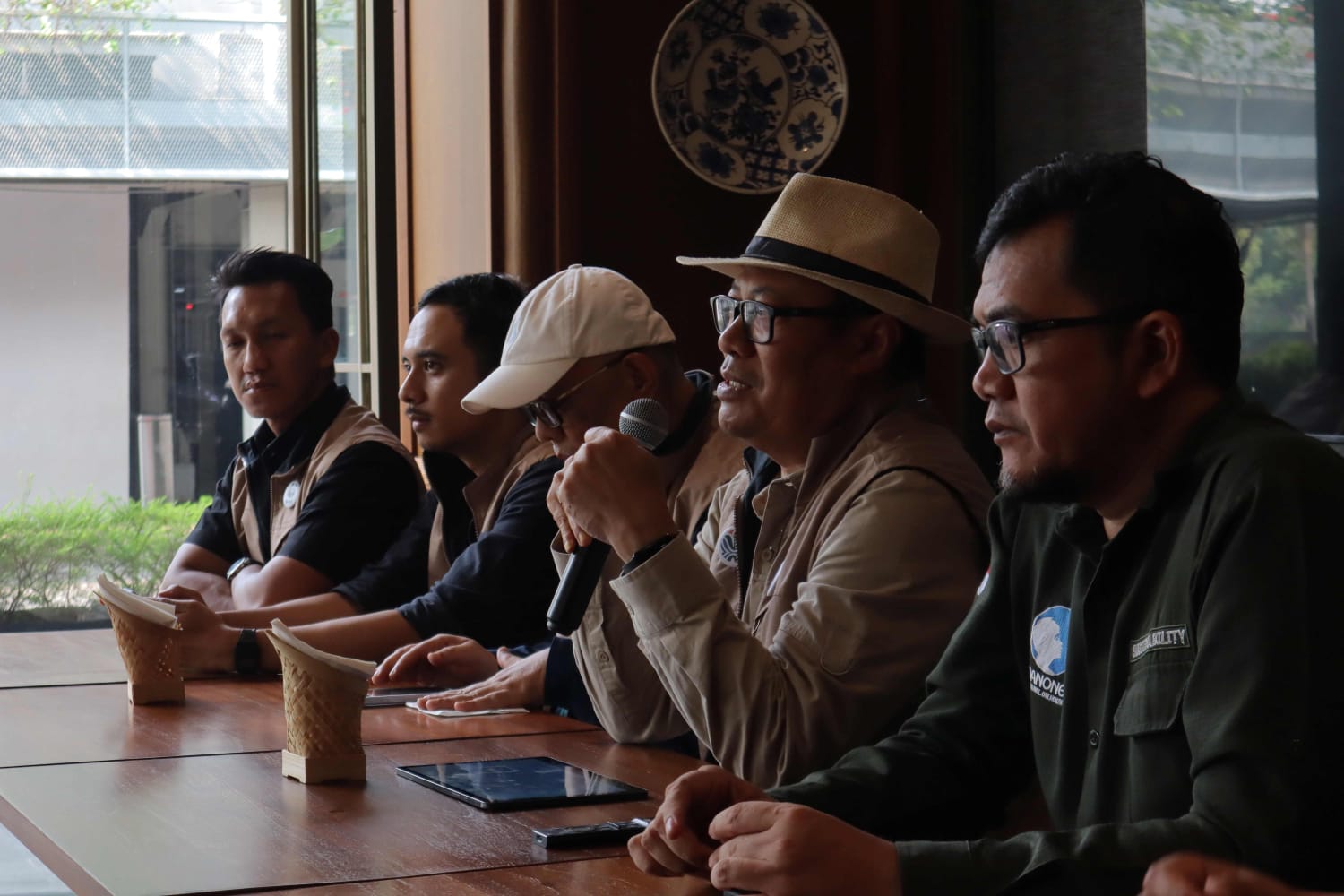
Director of Waste Management at KLH/BPLH Melda Mardalina said WTE should not be viewed as the sole solution to Indonesia’s waste problem. Waste management must begin at the source through sorting, organic waste processing, and optimization of Reduce, Reuse and Recycle (3R) facilities.
“It is not only about waste-to-energy. We have to start at the source, sort the waste, process organic waste, and optimize our 3R facilities. Only then should we handle the residual waste,” Melda said during an International Media Briefing in Jakarta on September 7.
Under the integrated approach, WTE facilities will serve as downstream infrastructure to process residual waste after reduction, sorting and recycling efforts have been carried out.
The government is also strengthening supporting programs, including waste banks, organic waste processing, refuse-derived fuel (RDF), and biogas utilization.
The WTE development program has attracted significant interest from international companies and consortia. A total of 85 companies and global consortia expressed interest, while 68 formal applications were submitted for eight project sites in the second phase.
The eight projects will complement three pilot projects in Denpasar, Bekasi and Bogor, bringing the total number of planned WTE facilities to 11.
Chief Executive Officer of PT Daya Energi Bersih Nusantara (Denera), Fadli Rahman, said applicants came from Indonesia, China, Japan, South Korea, France, India and Singapore. The selection process considers companies’ track records, technological readiness and ability to complete construction on schedule.
Two pilot projects in Denpasar and Bekasi have entered the construction phase, while construction of the Bogor facility is scheduled to begin in September 2026.
Fadli emphasized that reliable waste supply would be critical to ensuring the facilities operate continuously. Local governments involved in the projects are required to guarantee waste availability through due diligence involving local governments, KLH/BPLH and independent consultants.
“Waste-to-energy is only the beginning of the journey toward end-to-end transformation of waste management,” Fadli said.
The government expects the 11 facilities to strengthen the waste management chain from household-level sorting to final treatment. The approach is intended to ensure that WTE complements, rather than replaces, waste reduction, recycling and organic waste management programs.
The program also highlights the importance of upstream waste sorting. Without sufficient separation at the source, downstream technologies such as WTE cannot operate optimally or achieve an integrated waste management system.
Through cooperation between the government, local authorities, investors and communities, Indonesia aims to develop a waste management system that addresses waste from its source through final treatment while supporting the country’s 2029 national waste management target. (*)